5 Natural Ways to Boost Your Body's Nitric Oxide Production
Nitric oxide is a vital molecule that acts as your body's natural vasodilator, allowing blood, nutrients, and oxygen to flow freely throughout your system. When we understand how to support our body's nitric oxide production naturally, we empower ourselves to maintain cardiovascular health, enhance vitality, and create the foundation for conscious, healthy living.
Our modern lifestyle often compromises the body's ability to produce this essential molecule. However, through mindful choices in what we eat and how we live, we can restore and optimize our body's natural nitric oxide production. Here are five powerful ways to naturally boost your nitric oxide levels:
1. Embrace Vegetables Rich in Natural Nitrates
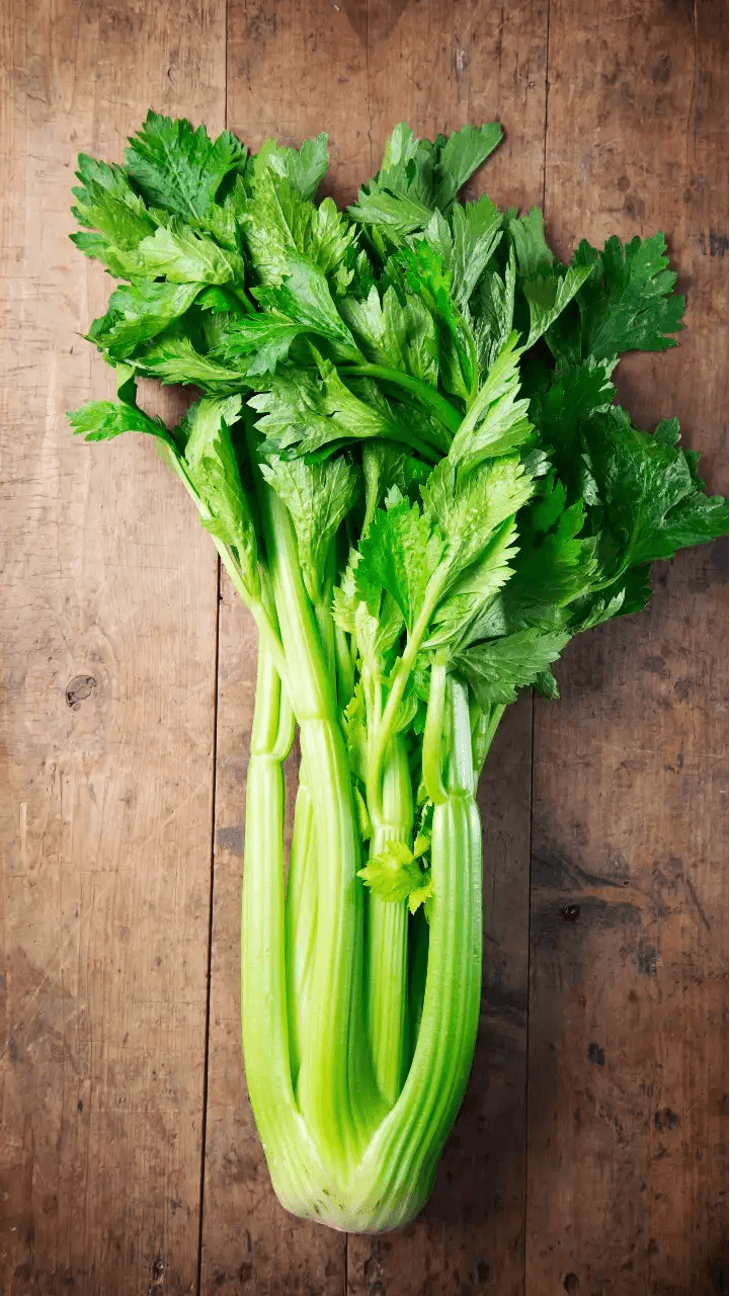
Nitrate, a beneficial compound found in certain vegetables, converts to nitric oxide in our system through a remarkable process that begins in our mouth. The most potent nitrate-rich vegetables include celery, cress, chervil, lettuce, beetroot, spinach, and arugula—nature's gift for cardiovascular health.
These sentient foods not only provide nitrates but also supply the supporting nutrients our body needs to convert them effectively. When we choose organic, fresh vegetables, we receive the full spectrum of their life-giving properties.
2. Increase Your Intake of Natural Antioxidants
Nitric oxide is an unstable molecule that degrades quickly in the bloodstream, requiring constant replenishment. Antioxidants act as protective agents, neutralizing free radicals that contribute to nitric oxide's breakdown and helping maintain higher levels throughout your system.
Plant-based foods abundant in antioxidants include fresh fruits, vegetables, nuts, seeds, and whole grains. The most powerful antioxidants for nitric oxide support are:
Vitamin C: Essential for forming connective tissues and producing neurotransmitters that support nerve communication.
Vitamin E: Protects cellular membranes from oxidative damage while strengthening immune function.
Polyphenols: Linked to reduced risk of cardiovascular disease and enhanced cellular protection.
Glutathione: Known as the "master antioxidant," it plays a central role in cellular detoxification.
Studies demonstrate that consuming nitric oxide precursors alongside antioxidants creates a synergistic effect, maintaining higher nitric oxide levels by reducing molecular breakdown. This is why nitrate-rich vegetables, which naturally contain abundant antioxidants, are so effective for supporting our cardiovascular system.
3. Consider Natural Nitric Oxide Supporting Supplements
While we always recommend obtaining nutrients from whole foods first, certain supplements can support your body's nitric oxide production when used mindfully. The most researched amino acids for this purpose are L-arginine and L-citrulline.
L-arginine is a conditionally essential amino acid that directly produces nitric oxide through the L-arginine-nitric oxide pathway. Research shows benefits for blood flow, particularly in individuals with elevated blood pressure. While generally safe up to 30 grams daily, digestive discomfort may occur at doses as low as 10 grams.
L-citrulline offers a more efficient pathway—when L-arginine converts to nitric oxide, L-citrulline forms as a byproduct and can be recycled back into L-arginine, creating a sustainable cycle of nitric oxide production. Studies indicate that L-citrulline may increase L-arginine levels more effectively than direct L-arginine supplementation, with minimal side effects even at higher doses.
4. Use Mouthwash Mindfully
This may surprise you: conventional mouthwash can significantly impact your body's nitric oxide production. Beneficial oral bacteria play a crucial role in converting nitrates from vegetables into nitrites, the precursor to nitric oxide. Antibacterial mouthwash eliminates these helpful bacteria for up to 12 hours, potentially reducing nitric oxide production and increasing blood pressure.
Research suggests that excessive mouthwash use may even contribute to insulin resistance. For optimal nitric oxide production, consider natural alternatives or use conventional mouthwash sparingly, allowing your oral microbiome to support your cardiovascular health.
5. Enhance Blood Flow Through Regular Exercise
Physical movement is one of the most powerful ways to boost your body's natural nitric oxide production. Exercise enhances endothelial function—the health of cells lining your blood vessels—which directly improves nitric oxide synthesis.
A balanced exercise routine combining aerobic activities like walking or swimming with strength training creates optimal conditions for nitric oxide production. Research shows significant benefits with just 30 minutes of exercise three times weekly, with improvements visible in as little as 10 weeks.
Regular movement enhances blood flow, increases antioxidant activity, and creates the physiological conditions that support healthy nitric oxide levels throughout your system.
Creating Your Nitric Oxide-Supporting Lifestyle
When nitric oxide production decreases, our health becomes compromised, potentially leading to cardiovascular challenges, metabolic imbalances, and reduced vitality. However, by embracing these natural approaches—increasing nitrate-rich vegetables, consuming antioxidant-dense foods, exercising regularly, and being mindful of factors that inhibit production—we create the foundation for optimal health.
Remember that our body is an integrated system. Each choice we make—from the vegetables we select to how we move our body—contributes to our overall vitality and wellbeing. Through conscious living and sentient food choices, we support not just our cardiovascular health, but our entire system's ability to thrive.