Argan Oil: Morocco's Liquid Gold for Skin and Culinary Health
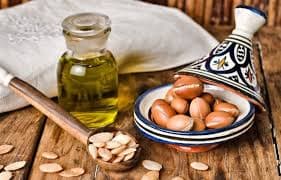
Argan oil is a remarkable natural product, known for its benefits to the skin and its subtle, musky flavor. It's extracted by pressing the seeds of the argan tree, which grows only in Morocco. The seeds resemble almond nuts in appearance.
During my travels through Morocco, we stopped to rest and meditate beneath an argan tree after a long drive. As we meditated, I noticed a man quietly observing us. Curious, I approached him, and a warm conversation followed. He eventually invited us to his home, where he showed us the entire process of making argan oil—from picking the nuts to drying, grinding, and finally extracting the oil. It was a small, family-run cottage industry. The process was completely manual and painstakingly detailed.
The oil's fragrance is faintly subtle and excellent for use in salads and all kinds of sauces. Despite its humble production, argan oil has powerful effects on the skin—qualities that commercial beauty industries have harnessed in their products.
Nutritional Benefits: The argan tree, Argania spinosa (L.) Skeels, part of the Sapotaceae family, is native to Morocco and holds great ecological and economic significance in the region. Rich in vitamin E, essential fatty acids, and antioxidants, argan oil nourishes the skin from within while providing a unique culinary experience with its mild, pleasant aroma that makes it perfect for salads and sauces.
Traditionally, Moroccan women have used argan oil to moisturize their skin and maintain a clear, even complexion. Cosmetic argan oil has long been used to treat various skin issues, including pimples, acne, and scars from chickenpox. It's also valued for relieving dry skin, delaying wrinkles, and addressing conditions like psoriasis, eczema, joint pain, inflammation, and scabies. It's applied to heal burns and wounds, strengthen brittle nails, prevent hair loss, and restore dry hair.
This cosmetic oil is cold-pressed from unroasted argan kernels and has now gained global recognition. Often called "the most expensive vegetable and cosmetic oil," it has become an important source of income for Moroccan women, particularly those working in women-led cooperatives in the south of the country. These cooperatives continue to produce argan oil—whether for culinary or cosmetic purposes—using traditional methods that preserve the integrity and authenticity of this prized oil.
When we choose to use argan oil, we support not only our own health and vitality but also the livelihoods of these dedicated women who have preserved this ancient wisdom. The oil connects us to a tradition that honors both the earth's gifts and the human spirit of community and craftsmanship.