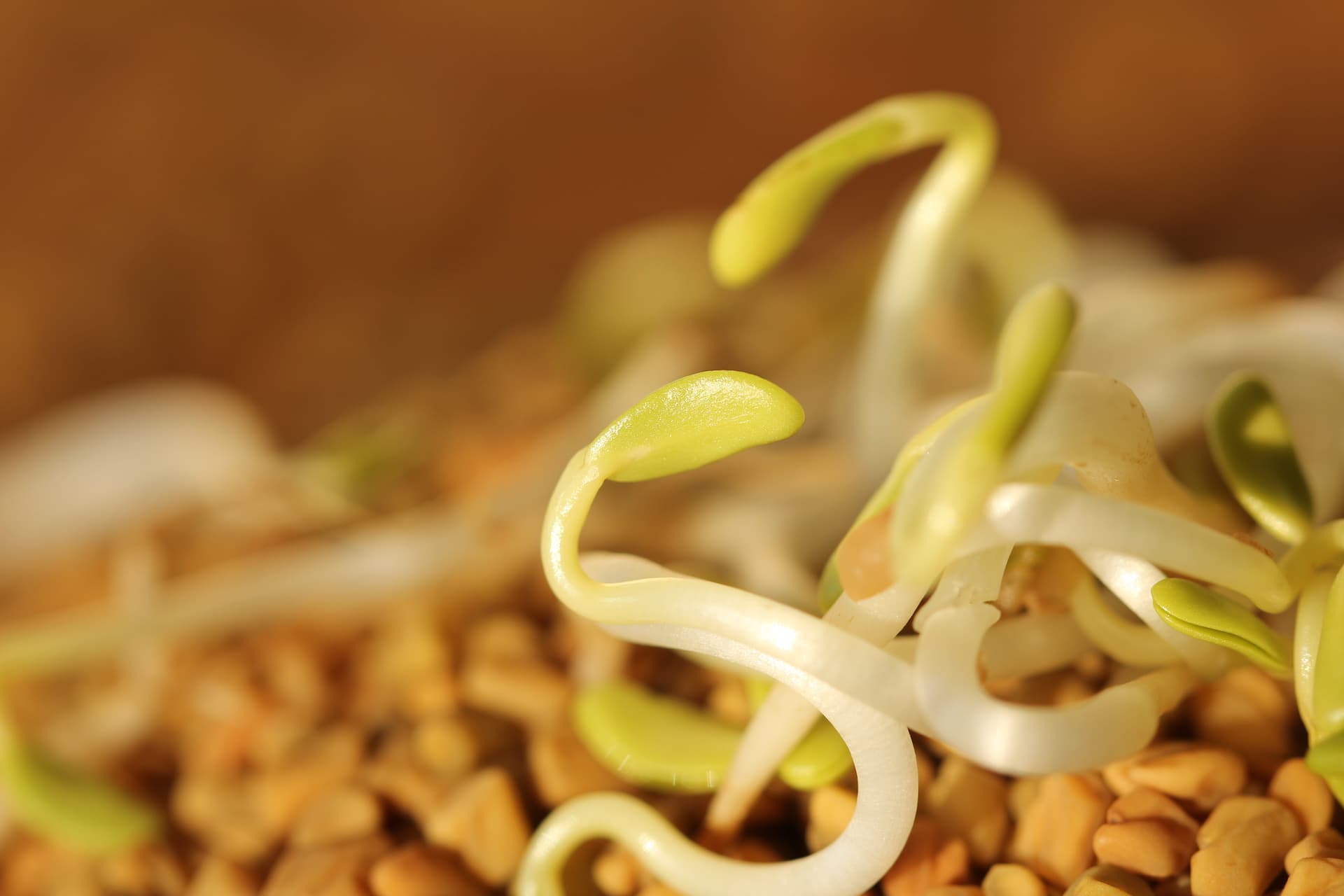
Fenugreek Sprouts: Ancient Ayurvedic Wisdom Meets Modern Nutritional Science
Fenugreek is an herb and spice commonly used in Indian cuisine that adds a unique flavor to dishes with its mild spiciness and slightly nutty taste, while offering numerous health benefits backed by both traditional Ayurvedic wisdom and contemporary research. Since ancient times, fenugreek has been treasured in Ayurvedic and Chinese medicine to treat various ailments and skin conditions. In Eastern culture, it is common for mothers with low milk supply to consume fenugreek tea and regularly eat sprouts to naturally boost milk production. The wisdom of our ancestors is now being validated by Western medical research, revealing the remarkable therapeutic properties of this humble seed.
Effects on Breastmilk Production
Breastmilk is akin to a panacea for the baby, providing the purest source of nutrients essential for healthy development. However, some mothers experience low production, creating concern and stress during this precious bonding time. Research has shown that fenugreek is a safe, natural alternative to medication for boosting breastmilk production.
A study conducted on 77 new mothers found that drinking herbal tea infused with fenugreek seeds significantly increased breastmilk production. Another study indicated that mothers who consumed herbal tea with fenugreek seeds pumped an average of 2.47 ounces of milk compared to 1.15 ounces in those who did not—more than double the production.
Note: Although these studies show promising results for using fenugreek seeds to increase breastmilk production, we recommend consulting your midwife or medical practitioner for any concerns regarding lactation support.
Additional Health Benefits of Fenugreek
The therapeutic properties of fenugreek extend far beyond lactation support. Some studies have found that fenugreek also has beneficial effects on male hormone balance, including an increase in libido and testosterone levels.
In an 8-week study, 30 college men engaged in four weightlifting sessions per week, with half receiving 500 mg of fenugreek daily. While the non-supplement group experienced a slight decline in testosterone, the fenugreek group saw a measurable increase, along with a 2% reduction in body fat—demonstrating fenugreek's potential for supporting both hormonal balance and body composition.
Another 6-week study provided 30 men with 600 mg of fenugreek extract to assess changes in sexual function and libido. Most participants reported increased strength and improved sexual function, suggesting fenugreek's role in supporting overall vitality.
Additionally, fenugreek is known to help control blood sugar levels and assist with natural weight management by reducing appetite—making it a valuable ally for those seeking to maintain optimal metabolic health.
Preparing Fenugreek Tea
Fenugreek tea, as demonstrated in the studies above, is just as nutritious as consuming fenugreek sprouts directly. To prepare this nourishing beverage, soak fenugreek seeds in pure water for five to six hours, allowing them to release their beneficial compounds. Then drain the soaking water and brew the softened seeds into tea, sweetening naturally with agave or maple syrup and adding plant-based milk such as almond or oat milk for a creamy, satisfying drink.
Regular consumption of fenugreek—whether as sprouts, tea, or incorporated into our cooking—connects us to centuries of traditional wisdom while providing our bodies with scientifically-proven health benefits. As we choose to nourish ourselves with such time-tested remedies, we honor both ancient knowledge and our commitment to conscious, healthful living.