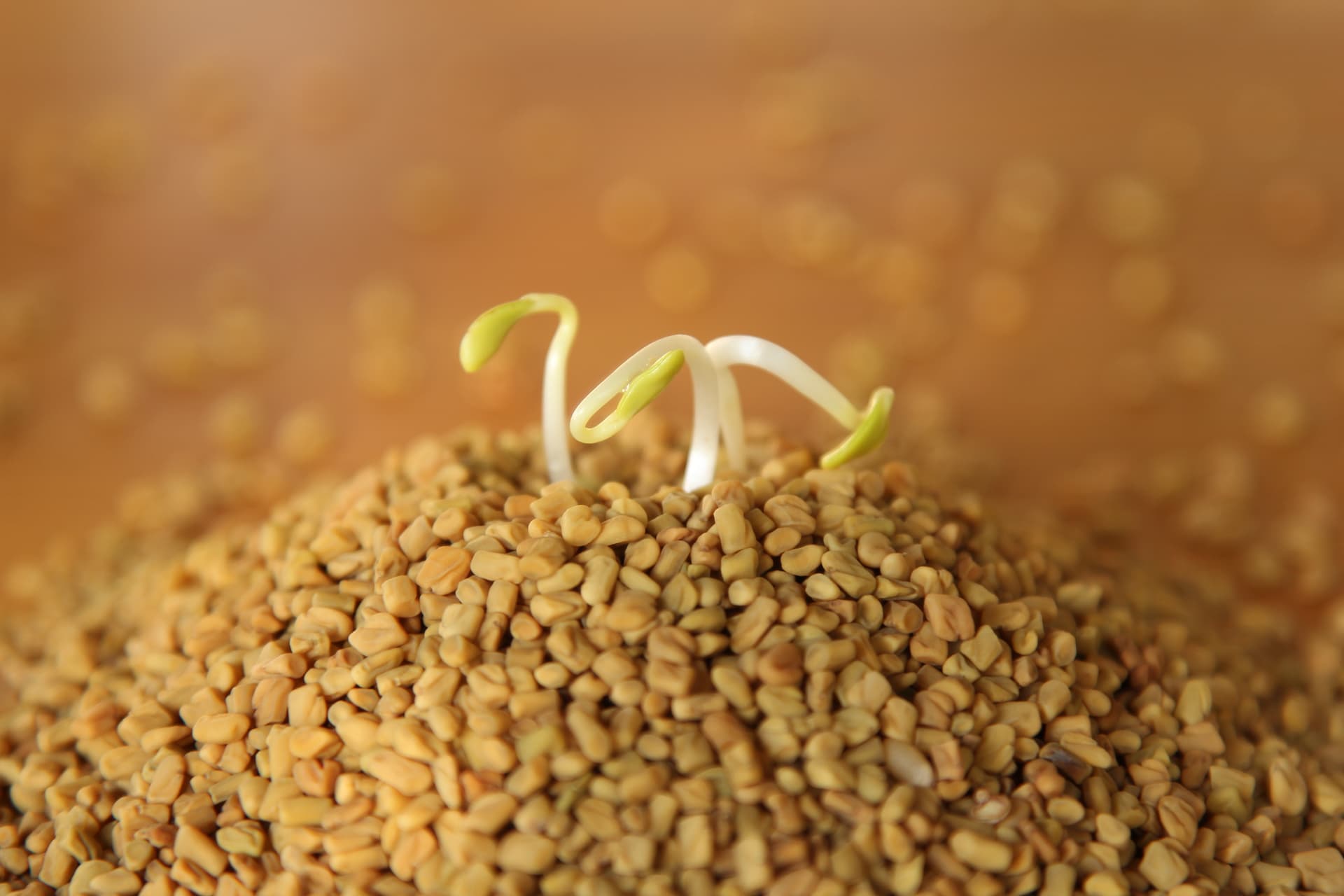
Fenugreek in Ayurvedic Medicine: Sacred Seed for Digestion, Diabetes, and Detoxification
Fenugreek, known as Methi in Sanskrit and Hindi, holds a revered place in Ayurvedic medicine for its remarkable therapeutic properties. These sacred seeds improve digestion and provide specific benefits for appetite regulation and blood sugar balance, while the fresh leaves are enjoyed as nutritious vegetables throughout India.
When we learn to use spices effectively, our food preparation becomes not only tastier but transforms our kitchen into an aromatic sanctuary. A well-stocked array of spices and herbs can convert your kitchen into a mini medicine chest, offering natural remedies for ailments ranging from mild indigestion to more complex conditions including hormone imbalances, diabetes, digestive disturbances such as acid reflux, sore throat, arthritis, various skin conditions, rheumatism, high blood pressure, and elevated uric acid levels.
Traditional Therapeutic Applications
Fenugreek seeds demonstrate remarkable versatility in supporting multiple body systems. They assist with appetite regulation, cholesterol and triglyceride management, ulcerative colitis, skin problems, and numerous other health concerns. When soaked in water overnight, fenugreek seeds (methi dana) create a mucilaginous solution that supports liver detoxification, kidney function, and metabolic balance.
The galactagogue properties of fenugreek make it particularly valuable for lactating mothers, helping to increase milk production naturally. Children also benefit from fenugreek's gentle digestive support and nutritional density.
In Ayurveda, we understand that food is medicine when used with wisdom and intention. Fenugreek exemplifies this principle—a simple seed that, when incorporated consciously into our daily routine, supports the body's natural healing intelligence and maintains the delicate balance necessary for optimal health.