Kala Namak: The Ancient Healing Power of Black Salt
In India, Kala namak has been used as an Ayurvedic medicine for multiple health benefits for many centuries, enduring the changes of time. Even after many empires and dynasties have come and gone in India, this remarkable healing salt has maintained its revered status in traditional medicine.
In the ancient Vedic hymns, there are aphorisms sung about the use and benefits of Kala namak. Sadashiva, who propounded Ayurvedic science approximately 7000 BCE, and Maharishi Charak, around 300 BCE, wrote about their findings, consolidating Kala namak into Ayurvedic medicine. Even today, Ayurvedic healers use this acclaimed Indian black salt, as it possesses diverse therapeutic properties that support our body's natural healing systems.
The Healing Properties of Kala Namak
This ancient salt offers remarkable benefits for our overall health and vitality:
- Cures constipation and soothes the bowels
- Treats acidity and supports digestive fire
- Helps prevent diabetes by supporting metabolic balance
- Prevents cholesterol accumulation and aids natural weight loss
- Treats joint disorders and relieves muscle cramps
- Combats hysteria and calms the nervous system
- Helps with respiratory problems
- Promotes good dental hygiene when used in natural preparations
Understanding Black Salt
Kala namak is a kiln-fired rock salt with a distinctive sulfurous aroma that gives it an eggy odor. Also known as "Himalayan black salt," it goes by various regional names: Sulemani namak, bit lobon, kala noon, or pada loon. This precious condiment is manufactured from salts mined in the mountainous regions surrounding the Himalayas.
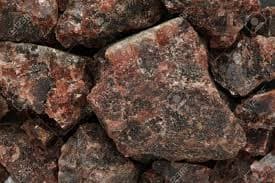
The chemical composition of black salt consists essentially of sodium chloride and sodium sulfate, along with sodium bisulfate, sodium bisulfite, sodium sulfide, iron sulfide, and hydrogen sulfide. The significant presence of Greigite (Fe3S4, Iron(II, III) sulfide) in the mineral creates its characteristic brownish pink to dark violet translucent appearance. When ground into fine powder, the color ranges from purple to pink.
The unique sulfurous component is frequently compared to boiled egg yolks, which explains why people unfamiliar with this salt notice its distinctive egg-like smell and taste. According to Ayurveda, black salt is considered a cooling spice and the most beneficial variety of salt for our system.
Traditional Production Methods
The raw material for producing Kala namak is obtained from natural halite from mines in Northern India and Pakistan, specifically from locations in the Himalayas salt ranges, or salt harvested from North Indian salt lakes of Sambhar or Didwana.
While the salt is relatively colorless in its natural form, it is transformed into the dark-colored variety commercially sold as Kala namak through a traditional reductive chemical process. This ancient method converts some of the naturally occurring sodium sulfates of the unrefined salt into the characteristic hydrogen sulfide and sodium sulfide that give black salt its distinctive properties.
The traditional firing process requires raw salts to be placed in a kiln or furnace for 24 hours, sealed in ceramic jars with charcoal and small quantities of amla, harad seeds, bahera, babul bark, or natron. During firing, the salt melts, undergoes chemical transformation, then is cooled, stored, and aged before reaching the market. This traditional method is still practiced in northern India, with production concentrated in Hisar district, Haryana.
Culinary Applications and Sentient Cooking
Kala namak is used extensively in South Asian cuisines of India, Pakistan, Bangladesh, and Nepal as a condiment added to chaats, chutneys, salads, fresh fruits, and raitas. Chaat masala, an essential Indian spice blend, depends upon black salt for its characteristic sulfurous aroma.
For those following a sentient diet, Kala namak offers unique culinary possibilities. Many vegans appreciate this salt in dishes that naturally mimic the taste of eggs without using any animal products. It can be used to season tofu or avocado to create egg-free salads that satisfy both taste and nutritional needs.
We find that Kala namak enhances the bioelectrical properties of food while supporting our body's natural digestive processes. Its cooling nature according to Ayurveda makes it particularly beneficial during warmer seasons or when we need to balance excess heat in our system.
Therapeutic Uses in Natural Medicine
Kala namak is considered a cooling spice in Ayurveda and serves as a natural laxative and digestive aid. It effectively relieves flatulence and heartburn, supporting our digestive fire without creating excessive heat in the system. In Jammu, North India, traditional healers use it to address goiter conditions.
This remarkable salt is also employed to treat hysteria and nervous system imbalances. When combined with other mineral and plant ingredients, it creates effective natural toothpaste formulations that support oral hygiene without harsh chemicals.
By incorporating Kala namak into our daily cooking and health practices, we connect with thousands of years of healing wisdom while supporting our body's natural ability to maintain balance, vitality, and conscious well-being.