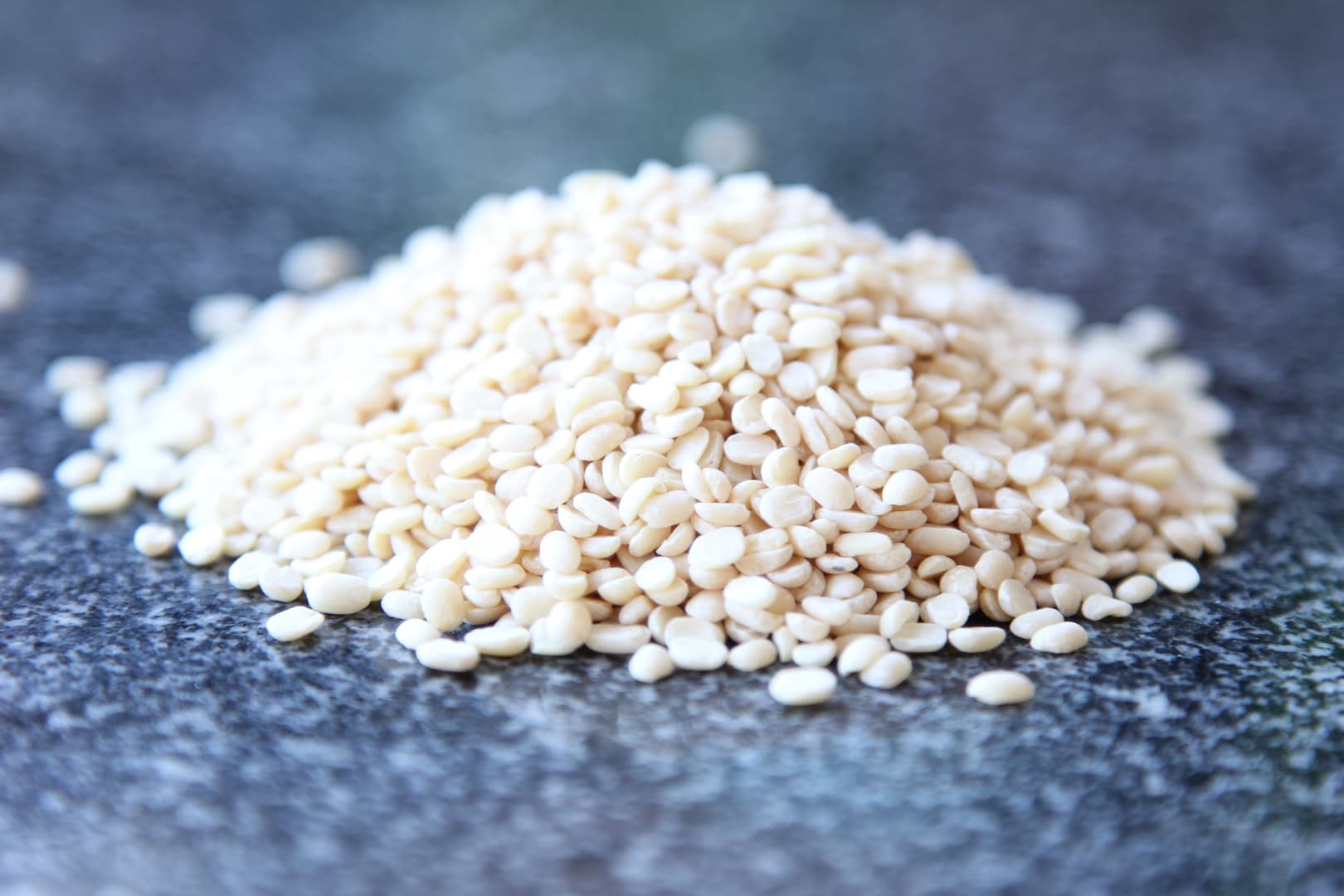
Understanding Dal: The Sacred Grains of Ayurvedic Healing
Beans, peas, and lentils are all seeds that grow in pods, yet each has distinct characteristics that make them unique in both form and function. The difference between lentils, beans, and peas lies primarily in their shapes: lentils are flat and disk-shaped, coming in brown, red, and green varieties; beans are kidney-shaped and appear in brown, white, black, and red; peas are round, like chickpeas, horse gram, and the green peas we commonly find frozen.
In India, Pakistan, Bangladesh, and Myanmar, a particular variety of these legumes is called dal. Among the most valued are green mung dal, yellow mung dal, and black urad dal—smaller varieties of ordinary-sized beans that hold special significance in traditional cooking. Green mung dal has a green skin with a white interior, yellow mung dal features a green skin with a yellow interior, and urad dal displays black skin encasing white flesh. Brown lentils, flat and saucer-shaped, reveal red or yellow interiors depending on their variety.
Red lentils are highly acidic compared to white and yellow dal, which is why they are generally avoided in the sentient diet. In Ayurveda, yellow dal holds special importance for patients in convalescence—it is rich in protein yet alkalizing in nature, making it ideal for recovery and healing.
Various types of dal are typically cooked separately, except in khichuri, a traditional Ayurvedic recipe whose name means "a blend of ingredients." Its purpose is to aid digestion for those who have been unable to assimilate nutrients efficiently. Traditionally, khichuri uses yellow dal prepared with rice and vegetables to create a complete meal that patients recovering from illness can easily digest and absorb for rapid recovery.
In various cultures, we understand that the prominence of flavors and the personal energy of the cook infuses the food during preparation. Positive vibrations transmitted during cooking provide a subtle touch that enhances nourishment. This is one reason the sentient diet emphasizes the importance of maintaining a pleasant state of mind during cooking—it creates a beneficial experience for those consuming the food. This is the main reason we prepare meals ourselves rather than buying cooked foods from others, as we cannot know how, by whom, or in what state of mind the food was prepared.
This khichuri recipe works beautifully for breakfast, especially after fasting for a whole day—people find it a very wholesome and pacifying dish. You can serve khichuri in the morning for breakfast, for lunch as a side dish with coconut milk, or as a light and easily digestible dinner. In each preparation, you can create variations on the recipe and let your creativity flourish. Your family will appreciate a well-made khichuri that offers balanced fusion and complete nutrition.
Yellow dal can also be transformed into delicious desserts, which will appear in our future recipes. Remember that red lentils, being more acidic than yellow dal, can cause indigestion when not properly balanced with appropriate spices.