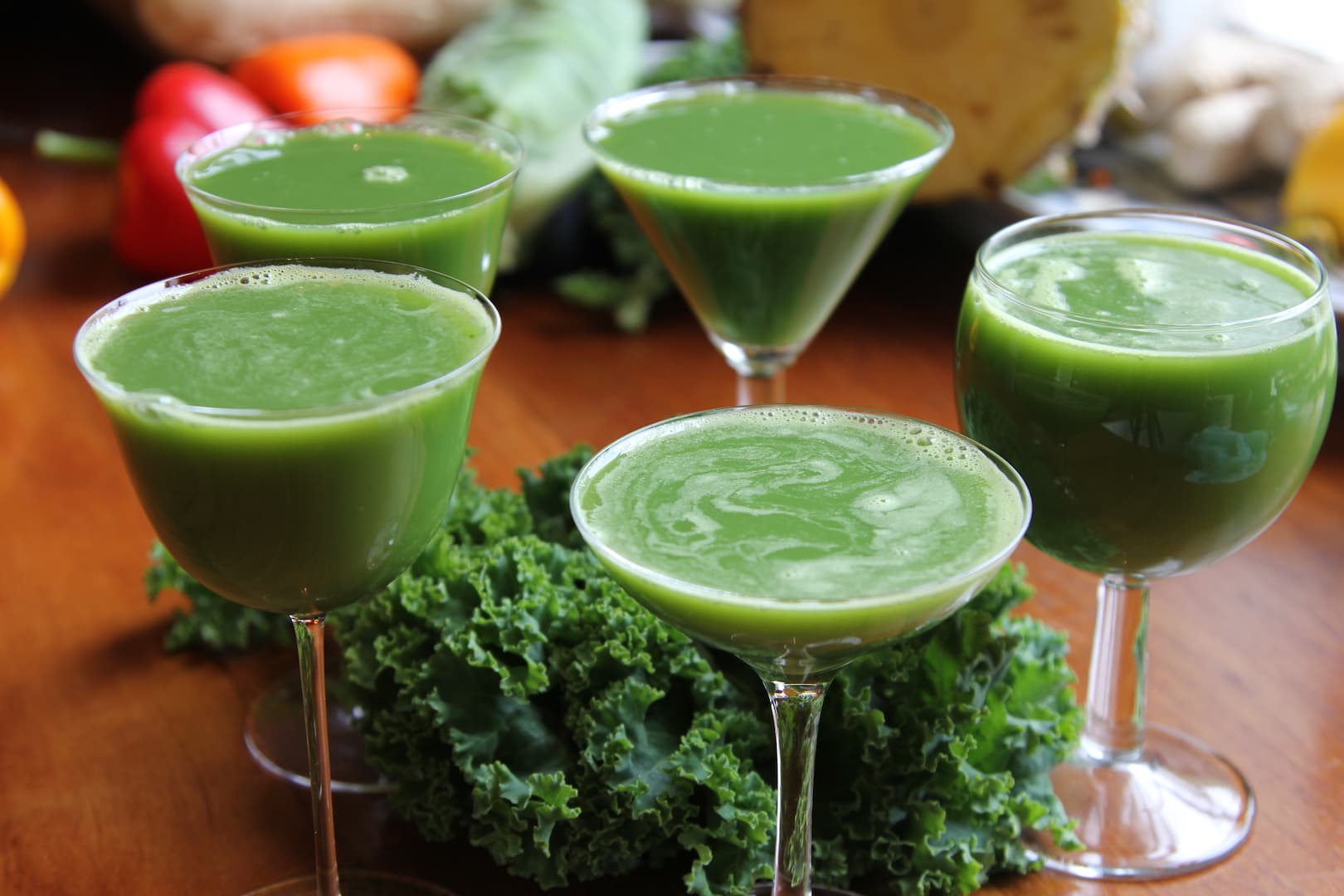
Ulcer Buster: Healing Peptic Ulcers Through Conscious Nutrition and 30-Day Juice Fasting
Understanding Stomach Ulcers and Their Root Causes
Stomach ulcers are commonly caused by Helicobacter pylori (H. pylori) bacteria. While H. pylori bacteria play a crucial role in digestion and maintaining balance within the stomach and intestinal systems, excessive proliferation disrupts this delicate equilibrium. When this imbalance occurs, the stomach's protective mucous lining becomes damaged due to excessive acid secretion, allowing the bacteria to erode the stomach wall. As a result, open sores develop on the stomach's inner lining and the upper portion of the small intestine—these painful wounds are known as peptic ulcers.
The Role of Diet and Lifestyle in Ulcer Formation
Diet and stress are among the primary contributors to peptic ulcers. Overconsumption of acidic foods can wear down the protective membrane of the stomach, leading to increased vulnerability and inflammation. Foods such as coffee, chocolate, heavily spiced dishes, acidic foods, and alcohol exacerbate ulcers and should be completely avoided during the healing process.
On the other hand, fiber-rich foods—fresh fruits, vegetables, legumes, nuts, and whole grains—aid digestion and help prevent ulcer formation. Additionally, certain foods like cauliflower, cabbage, coriander, fenugreek, ginger, and yogurt contain natural probiotics, which are rich in beneficial bacteria and highly effective in both preventing and treating ulcers by restoring the stomach's natural bacterial balance.
A Personal Healing Journey: From 25 Years of Medication to Complete Recovery
A close friend of mine was unaware that he had peptic ulcers and had been taking medication for 25 years to manage persistent stomach pain. Eventually, he grew frustrated with the endless cycle of medication and decided to discontinue all pharmaceutical treatment. Within days, he began experiencing excruciating stomach pain, but remained firm in his decision to avoid returning to medication dependency.
One morning, his wife called me in distress. She explained that he had been continuously vomiting everything he ate for the past two days, unable to keep down even small amounts of water. She asked for my guidance, and my immediate response was to suggest he stop consuming all solid food and begin a carefully structured juice fasting protocol.
I guided his wife through the one-month juice fasting method and shared the recipe for our Ulcer Buster green juice. I also explained that, since he had stopped taking acid-suppressing medication, his ulcers were now fully exposed to stomach acid, causing the intense burning sensations he was experiencing. Concerned about his condition, I strongly urged him to see a doctor for proper diagnosis. Upon medical examination, he discovered that he had developed an ulcer roughly the size of half a ping pong ball—a significant erosion that required immediate attention.
He followed the juice method rigorously for the complete 30-day period, and after this time, the pain subsided completely. To this day, several years later, the ulcer pain has never returned, and he maintains excellent digestive health through conscious eating practices.
Food as Medicine: The Ayurvedic Approach to Healing
We have always believed in the ancient philosophy that food is our most powerful medicine. The health of our body is a direct reflection of what we consciously choose to consume each day. Many modern lifestyle diseases stem from poor dietary habits, leading to dependence on pharmaceutical medication—often with harmful side effects that create additional health challenges.
As the wisdom of Ayurveda teaches us: "If you don't eat your food like medicine, you will have to eat your medicine like food." This profound statement reminds us that it is crucial to be mindful of what we eat and how our food choices affect our overall well-being, our energy levels, and our body's natural healing capacity.
The Complete 30-Day Juice Healing Protocol
Morning Routine:
Upon waking and brushing your teeth, slowly sip one liter of lukewarm water with fresh lemon juice and one tablespoon of raw honey on an empty stomach. This alkalizing mixture helps neutralize excess stomach acid and begins the healing process. Use a straw to protect your tooth enamel from the natural acids in lemon.
Primary Juice Intake:
Fifteen minutes after completing your morning water routine, begin drinking the Ulcer Buster green juice, sipping it slowly over the course of one full hour. This gradual consumption allows your damaged stomach lining to absorb the healing nutrients without overwhelming the digestive system.
Hydration Protocol:
Staying properly hydrated is essential for the healing process—drink plenty of plain water or mild lemon water with a pinch of sea salt throughout the day. However, avoid lemon water entirely if it causes any discomfort or burning sensation in your stomach.
Daily Consumption Guidelines:
Consume six full cups of healing green juice throughout the day, spacing them evenly from morning to evening. Between juice servings, drink at least 6-7 liters of pure water to support the detoxification process. Completely avoid all solid food for the entire 30-day period to allow maximum healing.
The Healing Process:
This intensive juice fasting method helps rebuild damaged stomach tissues at the cellular level while preventing further ulcer progression. The concentrated nutrients provide the raw materials your body needs to regenerate healthy tissue and restore the protective mucous lining.
Important Distinction:
Green juice and smoothies are often confused, but they serve completely different purposes in healing protocols. Juice provides concentrated nutrients that are immediately absorbed, while smoothies contain fiber that requires digestive energy—something we want to minimize during the acute healing phase.
Note: The information provided here is based on traditional healing wisdom and personal experience, and should not be considered medical advice. Always consult a qualified healthcare professional before making significant dietary changes, especially when dealing with serious digestive conditions like peptic ulcers.