Apoptosis: How to Support Cellular Health and Longevity Through Sentient Nutrition
Cells undergo two types of death: necrosis and apoptosis. As cells begin to deteriorate, so does our overall health. However, this process can be slowed down and even prevented through a sentient, alkaline, plant-based diet that supports cellular regeneration and longevity.
Necrosis vs. Apoptosis
Necrosis — This occurs when cells are damaged by external forces such as toxins, infections, injuries, or lack of blood supply (as seen in heart attacks and strokes). Necrosis often triggers inflammation, leading to further damage and distress within the body.
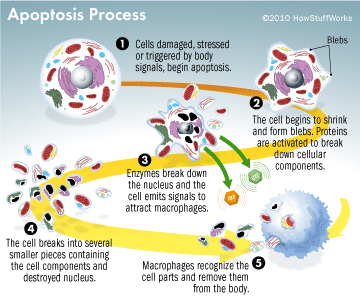
Apoptosis — Also known as programmed cell death, apoptosis is a controlled and orderly process that eliminates damaged or unnecessary cells. Unlike necrosis, apoptosis does not cause inflammation or harm surrounding tissues.
When apoptosis is triggered, proteins called caspases break down essential cellular components, while DNases destroy DNA within the nucleus. The cell then shrinks and signals for macrophages—specialized immune cells that act as the body's cleaning system—to remove dead cells without leaving a trace.
The Essential Role of Apoptosis
Apoptosis plays a crucial role in human development and ongoing health:
Fetal Growth — During early development, apoptosis eliminates webbing between fingers and toes, allowing separate digits to form.
Brain Development — Millions of extra brain cells are created in the womb, but those that don't form synaptic connections undergo apoptosis to ensure efficient brain function.
Menstruation — The natural process of shedding the uterine lining relies on apoptosis.
When Apoptosis Goes Wrong
Despite its importance, apoptosis is not always perfectly balanced. Sometimes the wrong cells are eliminated, or harmful cells remain. This can lead to:
Excessive apoptosis — Seen in AIDS, Alzheimer's, and Parkinson's disease, where too many healthy cells die prematurely.
Reduced apoptosis — Linked to cancer and autoimmune disorders like lupus, where damaged cells persist when they should be eliminated.
Harnessing Apoptosis for Health
Scientists are researching ways to modulate apoptosis to eliminate harmful cells while preserving healthy ones. Medical treatments such as anti-cancer drugs and radiation therapy work by triggering apoptosis in cancerous cells.
However, nature provides its own solutions. By adopting a plant-based, sentient diet, we can help regulate apoptosis naturally and prevent chronic diseases from taking root in our system.
The Healing Power of Nutrition
A nutrient-dense diet plays a key role in cellular longevity and disease prevention. Some of the most potent foods for apoptosis regulation include:
Lemons & Lemon Oil
Lemons are prized for their invigorating, purifying, and cleansing properties. Their essential oil contains powerful antioxidants that reduce inflammation, combat bacteria and fungi, boost energy levels, and support healthy digestion.
Lemongrass Essential Oil
Lemongrass (Cymbopogon citratus) has been traditionally used in tropical regions for various health conditions, and modern research confirms its potent medicinal benefits.
Recent studies suggest that lemongrass essential oil, rich in linalool, may be as effective as chemotherapy in targeting cancer cells—without the toxic side effects that burden the system.
The many benefits of lemongrass include:
- Destroys harmful pathogens
- Inhibits fungi and bacteria
- Reduces inflammation throughout the system
- Protects against DNA damage
- Supports healthy digestion
- Fights malaria naturally
- Neutralizes free radicals
- Balances cholesterol levels
- Regulates natural sleep patterns
A 2011 study published in the Journal of Advanced Pharmaceutical Technology & Research highlights lemongrass's powerful pharmacological properties, including anti-amoebic, antibacterial and antifungal, antidiarrheal, anti-inflammatory, antimalarial, antioxidant, hypoglycemic (supporting healthy blood sugar levels), and neuroprotective effects.
The Link Between Inflammation and Disease
Chronic inflammation is a major driver of disease, contributing to heart disease, cancer, autism, obesity, diabetes, dementia, depression, and autoimmune disorders. By incorporating plant-based, anti-inflammatory foods such as lemons, lemongrass, and other nutrient-rich botanicals, we can help regulate apoptosis, prevent disease, and promote longevity.
Take Charge of Your Health
The path forward is clear: eat more plant-based foods, eliminate processed and toxic substances from your diet, and adopt a sentient, alkaline lifestyle.
By making conscious dietary choices, you support cellular health, slow the aging process, and reduce the risk of chronic diseases. Our body is bioelectrical, and what we feed it determines whether our cells thrive or merely survive. Choose foods that honor the intelligence of your system—foods that are sentient, alive, and aligned with natural healing processes.