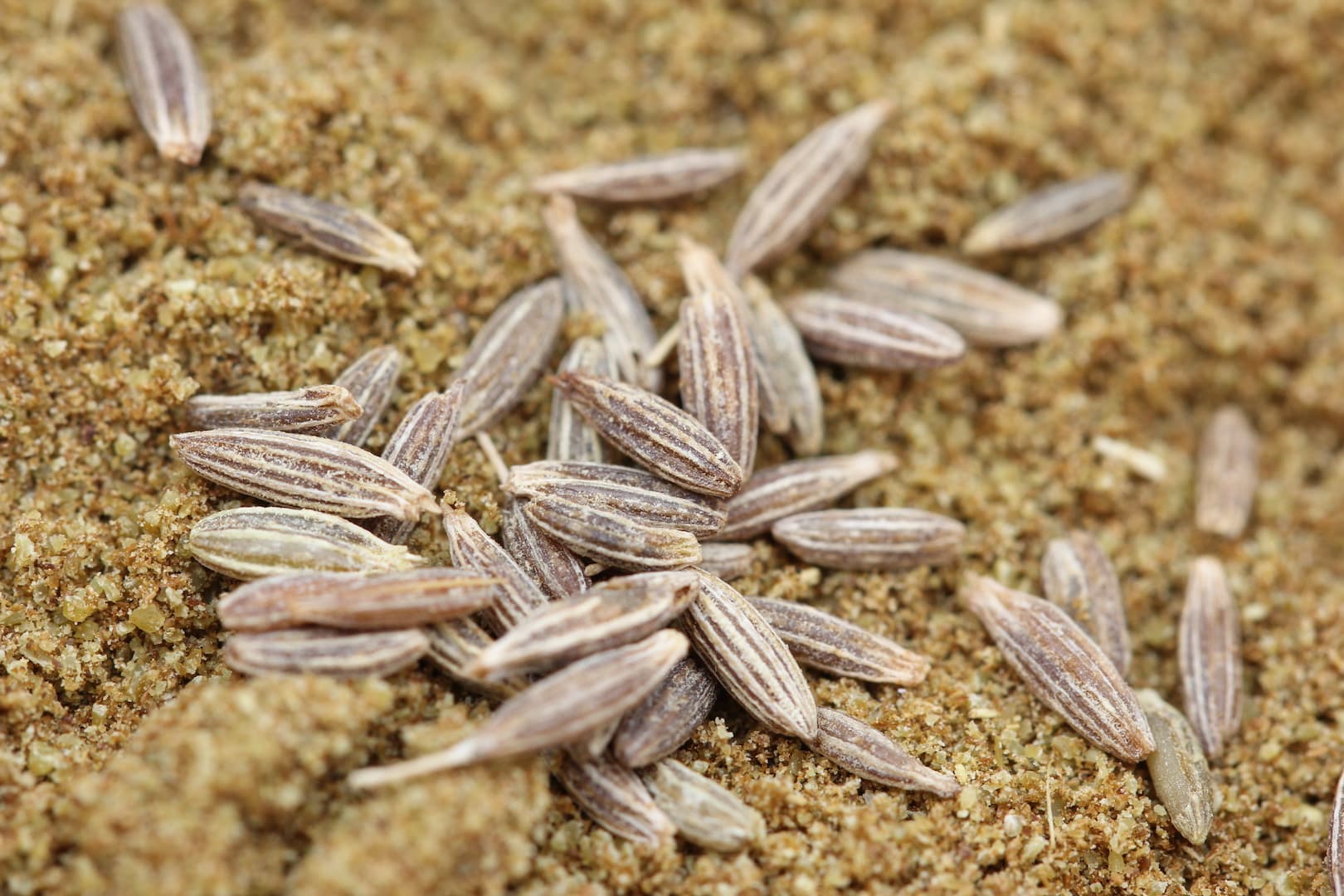
The Sacred Spice: Cumin's Journey from Ancient Kitchens to Modern Wellness
Cumin is one of the fundamental spices in Indian, Middle Eastern, and Mediterranean cuisine. Today it has become part of global cuisine and is widely used throughout the world for both its unique flavor and remarkable health benefits. In India and Pakistan, it is common to lightly sauté cumin seeds in oil to release their flavor, then use this aromatic oil as tadka—a tempering process that transforms simple dishes into flavorful experiences.
I have been using cumin seeds in our cooking for a long time now, and in my experience, crushing the seeds gently with a pestle and mortar before sautéing them in oil better releases the essential oils and aromatic compounds within. Freshly ground cumin seeds add a beautiful aroma and mildly savory, warming flavor to any dish. One essential principle when cooking with masalas or spices is to always grind them fresh. Once ground, the essential oils begin to evaporate from packaged spices, and there is little semblance of the original flavor or therapeutic potency left in the powder.
Beyond adding its distinctive earthy flavor to curries and sauces, cumin offers numerous benefits for our body's vital systems:
1. Supports Natural Weight Management
Cumin assists those seeking to maintain or achieve healthy weight. A 2015 study on adults trying to lose weight compared the effects of cumin with a weight loss medication and placebo. After 8 weeks, participants in both the cumin and medication groups experienced significant weight reduction. Remarkably, people in the cumin group also showed decreased insulin levels, suggesting improved metabolic function. Another 2014 study found that women who consumed 3 grams of cumin powder in yogurt daily for 3 months experienced significant decreases in body weight, waist circumference, and body fat percentage.
2. Promotes Healthy Cholesterol Balance
The study mentioned above revealed that consuming cumin with yogurt resulted in improved cholesterol profiles—specifically lower levels of LDL (low-density lipoprotein) or harmful cholesterol and triglycerides, while supporting higher levels of HDL (high-density lipoprotein) or beneficial cholesterol.
3. Supports Blood Sugar Regulation
Cumin shows promise in helping treat and prevent diabetes. A 2017 study on adults with type 2 diabetes examined the effects of cumin essential oil on blood glucose levels. Participants received either 100 milligrams of cumin oil per day, 50 mg daily, or a placebo. After 8 weeks, both cumin oil groups showed significantly reduced blood sugar, insulin, and hemoglobin A1c levels. The cumin groups also demonstrated improvements in insulin resistance markers and inflammation levels. However, a 2017 review noted that other studies using black cumin seeds have shown mixed results, indicating that more research is necessary to fully confirm cumin essential oil's benefits for those managing diabetes.
4. Soothes Digestive Discomfort and IBS
The most traditional and widely recognized use of cumin is supporting healthy digestion. Cumin is particularly known for helping with irritable bowel syndrome. A small 2013 pilot study examined the effects of consuming cumin essential oil drops on IBS symptoms. After 4 weeks, participants noted improvements in symptoms such as abdominal pain and bloating. Those with IBS who primarily experienced constipation had more regular bowel movements, while those who mainly experienced diarrhea found their symptoms stabilized.
5. Natural Stress Support
Cumin may play a role in helping our body manage stress naturally. A study in laboratory animals looked at the effects of cumin extract on stress responses. When the animals received cumin extract before a stressful situation, their bodies showed significantly lower stress responses compared to when they did not receive the extract. Cumin appears to combat stress effects by working as a potent antioxidant. The researchers found that cumin was actually a more effective antioxidant than vitamin C in their studies.
6. Supports Cognitive Function
The same research also examined cumin extract's impact on memory function. The study found that animals receiving cumin extract demonstrated better and faster recall abilities.
The health benefits of cumin, as outlined above, are numerous and well-documented. Making cumin a regular part of your sentient diet supports multiple body systems while adding delicious flavor to your meals. In Ayurvedic tradition, cumin is considered a rasayana—a rejuvenative substance that promotes longevity and vitality. Whether you use it in traditional tadka, grind it fresh into spice blends, or incorporate it into modern fusion dishes, you are connecting with centuries of wellness wisdom while nourishing your body's natural healing systems.
Cumin is known to help treat and prevent diabetes. A
2017 study
on adults with
type 2 diabetes
examined the effects of cumin essential oil on blood sugar levels. Participants received either 100 milligrams (mg) of cumin oil per day, 50 mg of cumin oil per day, or a placebo. After 8 weeks, both groups which received 100 and 50 mg of cumin oil had significantly reduced blood sugar,
insulin
, and
hemoglobin A1c
levels. The cumin oil groups also saw improvements in signs of
insulin resistance
and
inflammation
. However, other human studies using black cumin seeds have shown mixed results, according to a
2017 review of studies
4. Helps with Irritable Bowel Syndrome:
The most common and popular use of cumin is to help with indigestion. Cumin is widely known to help with irritable bowel syndrome. A
small pilot study
from 2013 looked at the effects of consuming cumin essential oil drops on the symptoms of
irritable bowel syndrome
(IBS). After 4 weeks, study participants noted improvements in symptoms, such as stomach pain and bloating. At the end of the study, those with IBS who had mainly experienced
constipation
had more frequent bowel movements. Those who had mainly experienced
diarrhea
as a symptom had fewer bowel movements.
5. Stressbuster:
Cumin may play a role in helping the body handle
stress
. A
study
in rats looked at the effects of cumin extract on signs of
stress
. When the animals received cumin extract before a stressful activity, their bodies had a significantly lower stress response than when they did not receive the extract. Cumin may help fight the effects of stress by working as an
antioxidant
. The same researchers found that cumin was a more effective antioxidant than
vitamin
C in the rats studied.
6. Prevents Memory Loss:
The
above study
in rats also looked at the impact of cumin extract on memory. The study found that the animals who received cumin extract had a better and faster recall. The health benefits of cumin, as delineated above, are numerous. Thus making cumin a part of your daily diet is a good idea. Here's a quick and easy recipe that you can whip up in a jiffy and enjoy with rice, as a sauce for noodles and pasta, or dressing for salads.