Caraway Seeds: Ancient Digestive Medicine for Modern Kitchens
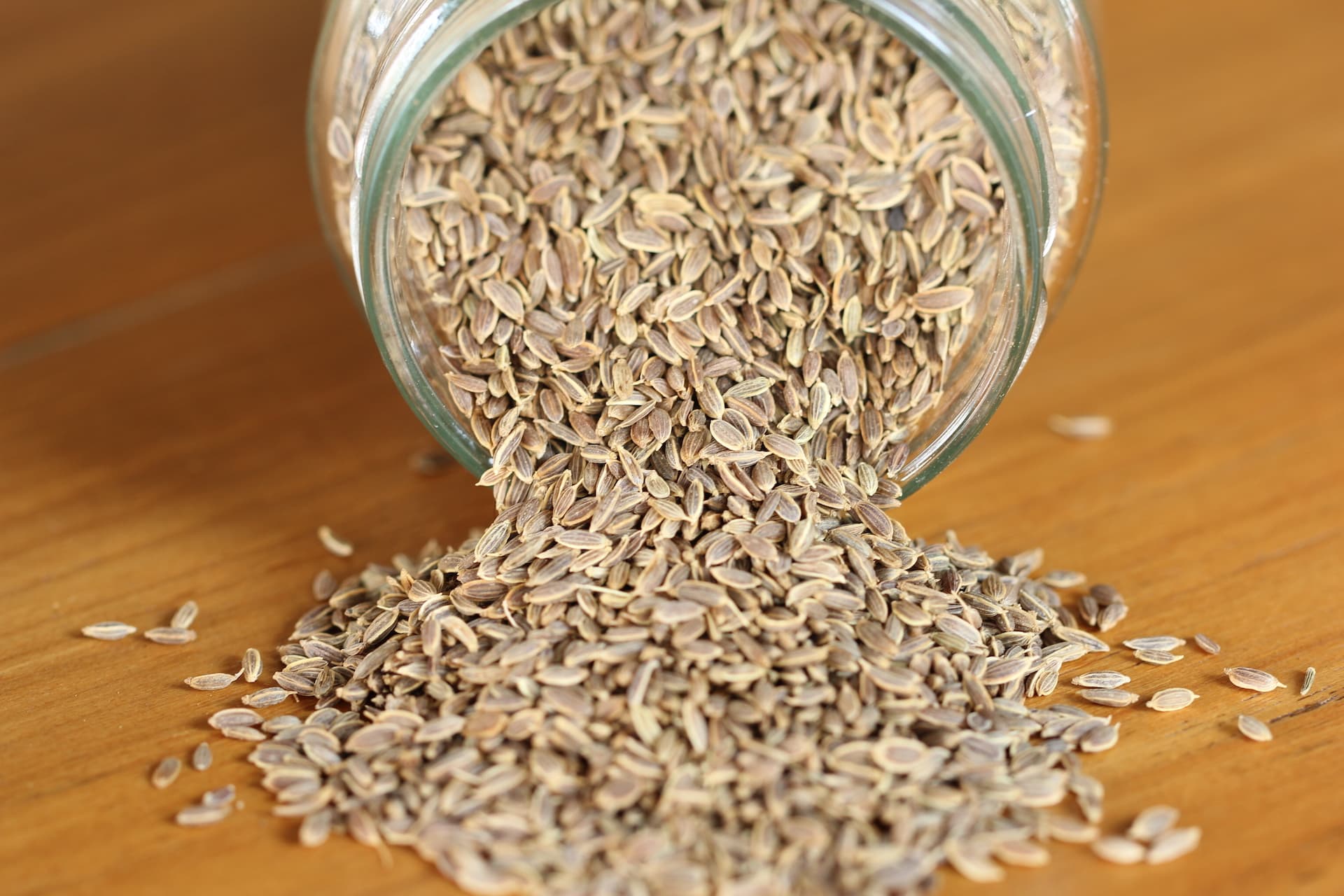
Caraway seeds, usually used whole, boast a sweetly pungent, anise-like flavor and aroma due to essential oils such as carvone and limonene. They offer excellent relief for an upset belly in both adults and children, making them treasured allies in traditional healing practices across cultures.
We find caraway frequently used as a spice in bread, as well as in desserts and savory dishes. I love to incorporate these unique spices in curries, breads, sauces, and especially when sautéing vegetables and stir-frying—their aromatic qualities transform simple ingredients into memorable meals.
Despite its common reputation as a seed, caraway is actually the dried fruit of the caraway plant and contains a variety of minerals and beneficial plant compounds. Research suggests it may contribute to weight loss, reduce inflammation, and promote digestive health. This versatile ingredient enhances desserts, sauces, breads, and baked goods whether used whole or ground.
Caraway has long been valued in both culinary and herbal medicine traditions. This distinctive brown pod, often mistaken for a seed, offers flavors reminiscent of licorice, star anise, and fennel, combined with a subtle, earthy sweetness that connects us to ancient wisdom about food as medicine.
The unique qualities of caraway deliver both culinary finesse and therapeutic benefits. With gentle hints of citrus, pepper, and anise, they achieve a nutty, bittersweet sharpness with mild accents of licorice—a complexity that speaks to nature's ability to create perfect flavor harmonies.
Research suggests that caraway seeds may help lower blood sugar levels; however, further studies are needed to fully understand their effects on humans. Those managing diabetes should exercise caution with high doses of caraway oil, extract, or concentrated forms, always consulting with healthcare practitioners when integrating therapeutic herbs into our wellness routines.