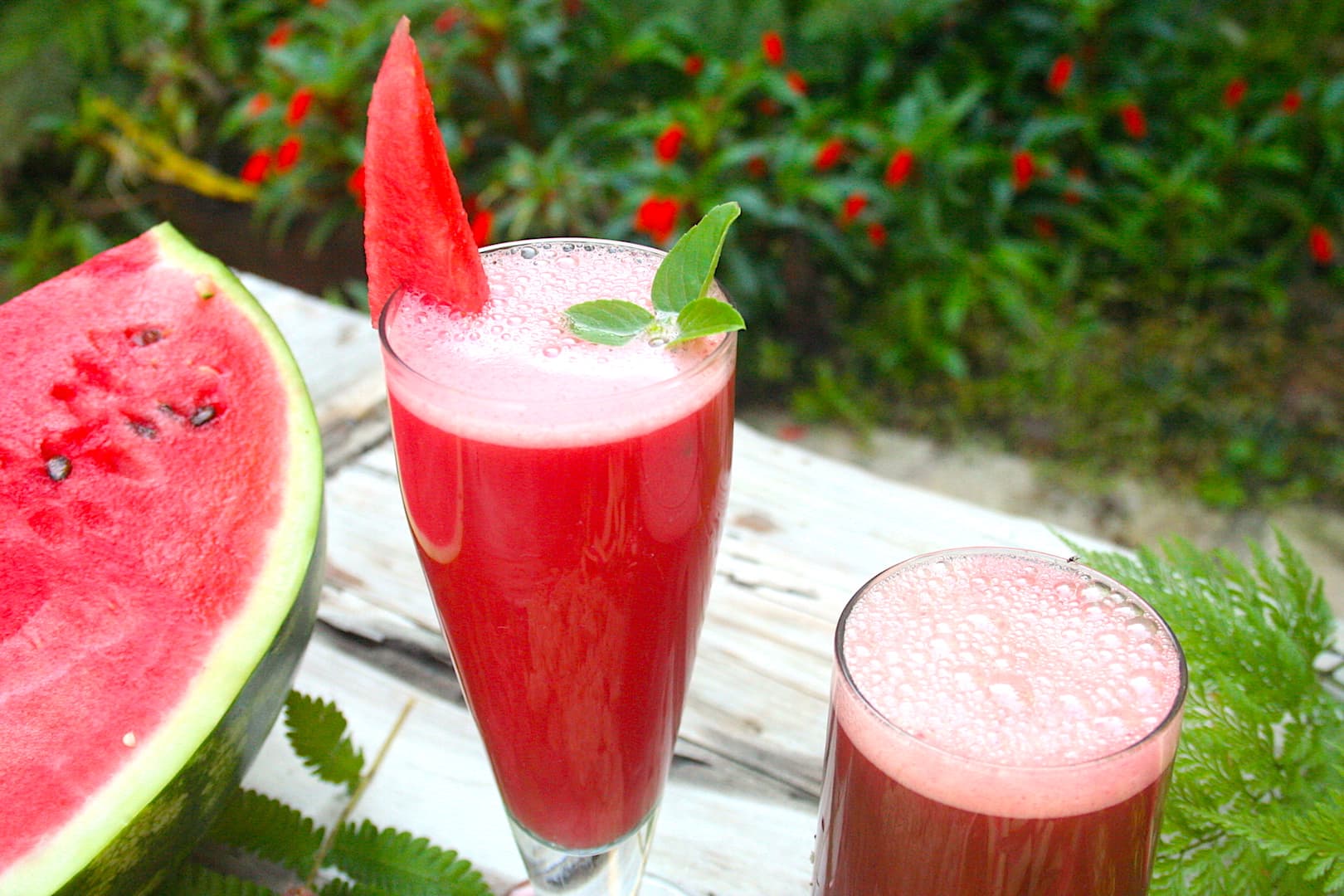
Drink Away Fatty Liver: A 30-Day Watermelon Juice Fast for Natural Liver Restoration
Many of my clients were diagnosed with mild to severe fatty liver problems. On my suggestion, most of those who participated in this 30-day watermelon and green juice fast experienced significant benefits. This fast not only helped melt away excess fat from the liver but also aided in detoxification. After the 30 days, they embraced a lifestyle of conscious eating and healthy living, swearing by juice fasts as a natural alternative to tedious and expensive treatments.
This watermelon juice is a healthy way to boost your body's natural detoxification process. Watermelon supports the liver in processing ammonia—a waste product of protein digestion—and assists in eliminating excess toxins from your system. L-citrulline, an amino acid abundant in watermelon, helps improve blood flow and supports the liver's filtration functions. The rind contains even more citrulline than the pink flesh, making whole-fruit juicing particularly beneficial for liver health.
Try this watermelon juice fast and take a step towards drinking away your fatty liver naturally!
The Watermelon Liver Cleanse Protocol
The juice is simple and quick to prepare with just two ingredients: fresh watermelon and lemon. Use a whole lemon (with its skin) for optimal benefits. Although the lemon rind may impart a slightly bitter, astringent aftertaste initially, its bitterness beautifully balances the juice's natural sweetness over time. This bitter quality aids liver function according to Ayurvedic principles.
After the first week, enhance your juice by adding generous amounts of chlorophyll, either in powdered form or by incorporating leafy vegetables. We recommend the natural route—fresh spinach, cilantro, or parsley—for added nutritional benefits and healing properties. These greens provide essential minerals that support the liver's detoxification pathways.
If you're planning to start the juice challenge, invest in a good masticating juicer to reduce pulp and waste while preserving the vital nutrients of fruits and vegetables. The slower extraction process maintains the bioelectrical properties of the produce, ensuring maximum therapeutic benefit.
Note: The methods and tips provided are for general informational purposes and should not be considered professional medical advice. Please consult your Ayurvedic practitioner, naturopath, or physician before starting this regimen.
Understanding Fatty Liver Disease
Fatty liver disease (steatosis) is a condition often linked to modern overconsumption. A healthy liver naturally contains a small amount of fat. However, when fat accumulation reaches 5% to 10% of the liver's weight, it can lead to preventable diseases that affect our entire system's vitality.
The liver performs several vital functions that maintain our body's natural balance:
- Producing bile to aid digestion
- Making essential proteins for the body
- Storing iron and other vital minerals
- Converting nutrients into energy
- Creating substances that help your blood clot
- Forming immune factors and removing toxins from the blood
Liver Cirrhosis
Cirrhosis involves severe liver damage where healthy tissue is replaced by scar tissue, hindering liver function and potentially leading to liver failure or liver cancer. This represents the liver's cry for help—a sign that we must return to sentient eating and conscious living.
Alcohol-Induced Fatty Liver Disease
This form is caused by heavy drinking. Moderate drinking is defined as one drink a day for women and up to two for men; however, in regions with high alcohol consumption, about 5% of individuals develop liver disease. The liver processes alcohol as a toxin, and excessive consumption overwhelms its natural detoxification capacity.
Nonalcoholic Fatty Liver Disease
Nonalcoholic fatty liver disease (NAFLD) occurs in those who are not heavy drinkers. It affects one in three adults and one in ten children in many developed countries, often due to excessive consumption of processed foods high in refined sugars and unhealthy fats. Factors such as obesity and diabetes can also increase the risk, creating a cycle where poor food choices compound liver dysfunction.
This is where conscious eating becomes essential. By choosing sentient foods—fresh, whole, naturally occurring ingredients—we support our liver's innate wisdom to heal and regenerate. The watermelon fast represents a return to simplicity, allowing the liver to rest while providing targeted nutrients for restoration.