Drink Your Solids, Eat Your Liquids: Ancient Wisdom for Modern Digestion
How does the digestive system work? To explain simply, let's explore what happens after we chew and swallow our food.
After chewing, food enters the stomach where it's broken down into liquid. It then transforms into plasma, then blood in the liver, and from there into fat, bone, bone marrow, lymph, reproductive essence, and finally into Sukra (amrita), which nourishes the brain according to Ayurvedic understanding.
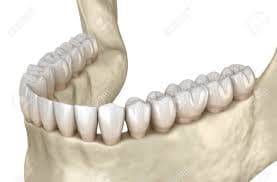
The food we eat must be thoroughly chewed for proper absorption. Once it reaches the stomach, digestion begins and the food passes through seven stages before elimination. Why emphasize chewing? Because our parents were right—thorough mastication allows the body to absorb micronutrients and phytochemicals more effectively. Saliva in the mouth starts breaking food down into a paste-like consistency, making it easier to digest. This first stage—mastication—is essential for overall health and begins before the food even reaches the stomach.
The Power of Stomach Acid
In the second phase of digestion, stomach acids further break down the ingested food. These acids are incredibly strong. In fact, if stomach acid were placed on a metal plate, it could corrode right through it. This demonstrates the extreme acidity of our digestive system. But why doesn't this powerful acid damage the stomach itself?
Acidity and alkalinity are measured on a pH scale from 1 to 14—1 being highly acidic, 14 highly alkaline. The stomach maintains an acidic environment, sometimes reaching a pH of 1, to kill harmful bacteria from food. To protect itself, the stomach produces mucus that coats its lining, preventing the acid from damaging the walls. However, excessive intake of highly acidic foods can compromise this protective barrier over time.
Understanding Acidity and Alkalinity
The alkalinity of water refers to its capacity to neutralize acids, while acidity refers to its ability to neutralize bases. These properties are linked to water's buffering capacity—its resistance to pH changes when acids or bases are added. Water with high alkalinity can absorb more acid without a significant drop in pH. Conversely, highly acidic water can absorb more base with minimal pH increase.
Acidity is measured by how much base must be added to bring the pH to a specific level. Acidity comes from multiple sources, including dissolved carbon dioxide, metal ions, strong mineral acids (like sulfuric, nitric, and hydrochloric), and weak organic acids (like acetic acid). In unpolluted water, CO₂ is the main contributor to acidity. Other sources often point to environmental pollution.
Why Alkalinity Matters for Our Health
In natural, unpolluted waters, alkalinity is more common than acidity. A key indicator of alkalinity is dissolved inorganic carbon—mainly bicarbonate and carbonate ions. These help buffer pH changes and protect not only aquatic life but our own internal systems when we consume alkaline water and foods.
Regular hydration with alkaline water and consumption of alkaline foods helps maintain our body's natural pH balance. This supports optimal digestion, cellular function, and overall vitality. When we understand that our digestive system transforms solid food into liquid essence that nourishes every cell, we begin to appreciate the ancient wisdom: drink your solids through thorough chewing, and eat your liquids mindfully to support this miraculous transformation.