How Chutney Saved Seamen: The Portuguese Discovery That Conquered Scurvy
This fascinating historical narrative explores how food wisdom was adopted and used worldwide, revealing the extraordinary story of how chutney preservation techniques saved seamen on long voyages across many oceans and seas. Chutney, a cherished traditional Indian appetizer, has a rich history that extends far beyond its common culinary role—it became a bridge between ancient preservation wisdom and maritime survival.
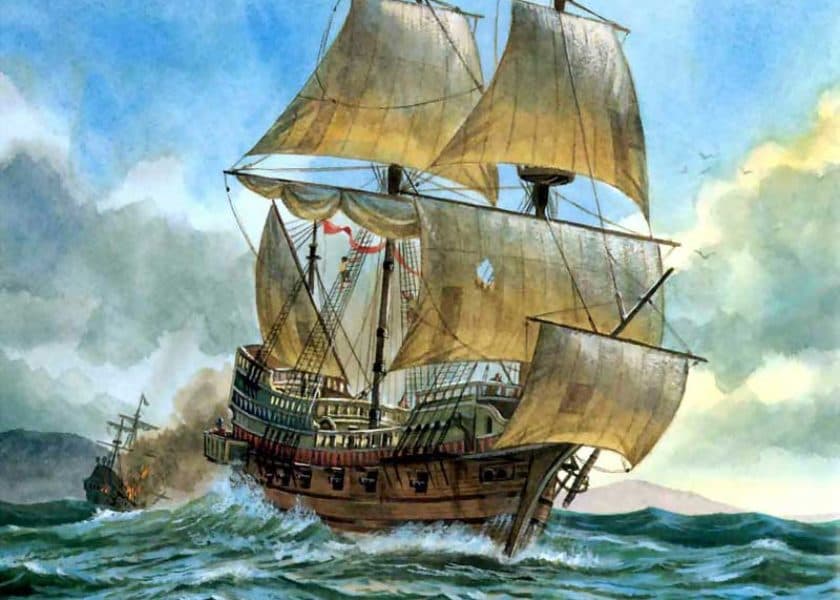
Portuguese navigators and sailors were pioneers in exploring new lands, often facing long and arduous voyages that led to the life-threatening disease of scurvy. We must remember that these journeys lasted months without access to fresh foods, and sailors would develop bleeding gums, loose teeth, and eventually death from what we now know as severe vitamin C deficiency.
A resourceful ship's doctor made a crucial discovery: the lack of vitamin C was the root cause of this maritime plague. Drawing inspiration from Indian chutney-making techniques he had observed in coastal trading ports, he innovated by preserving citrus fruits in salt—the same fundamental principle used in traditional chutneys for centuries. This method allowed sailors to maintain adequate vitamin C levels during their journeys, transforming what had been a death sentence into a manageable health protocol.
During one particular voyage, many ships stopped in the Azores to replenish their supplies. While anchored in São Miguel, an island in the archipelago, the onboard doctor observed that regular consumption of fresh fruits significantly improved the sailors' health and vitality. The connection became clear: what Indian cooks had known for generations about preserving nutrients in acidic, salty preparations could save European lives at sea.
Consequently, he ordered large quantities of fruits—primarily oranges and lemons—to be preserved using the chutney method of salt preservation. This technique ensured that sailors received sufficient vitamin C throughout their journey, contributing not only to their physical health but to their safe return home. The doctor had effectively ended what was once known as "scurvy"—the scourge of the seas.
What we see in this historical account is how sentient food practices, rooted in traditional wisdom, traveled across cultures to serve human wellbeing. The principles of food preservation that create chutneys—the careful balance of acid, salt, and time—became the foundation for maritime nutrition. This reminds us that our bodies require not just calories, but the vital nutrients that traditional food preparation methods naturally preserve and enhance.
The story of chutney and scurvy reveals a profound truth: ancient food wisdom often contains solutions to modern health challenges. When we honor traditional preservation techniques—whether in Indian chutneys, fermented vegetables, or salt-preserved fruits—we connect with knowledge that has sustained human vitality for millennia. Our system thrives when we choose methods that preserve not just food, but the life force within it.