Rheumatism Relief and Prevention: An Ayurvedic Approach to Joint Health
Rheumatism affects millions of people worldwide, manifesting as swelling and contractures of the muscles or joints, along with acute pain and sometimes deformities. From an Ayurvedic perspective, understanding the root cause allows us to address not just the symptoms, but the underlying imbalance that creates this condition.
The Ayurvedic Understanding
Similar to acidity, rheumatism occurs when the váyu (bodily air) is disturbed by excessive poisonous acids present in the body. When our internal environment becomes too acidic, it creates inflammation and stiffness in the joints and muscles. This ancient wisdom aligns with modern understanding of how systemic inflammation affects joint health.
Natural Relief and Prevention
The foundation of rheumatism relief lies in restoring the body's natural alkaline balance. Patients are advised to drink ample water—about four to five liters per day—taking small sips slowly throughout the day. This helps flush toxins and maintains proper hydration in the joints.
Additionally, proper bathing and sunbathing procedures should be observed. Begin by exposing the affected limb to sunlight several times, and eventually expose the entire body. The sunbathing procedure involves exposing the particular limb or whole body to the sun for fifteen to twenty minutes at a stretch during designated times in summer or winter. Once the area is sufficiently warmed, retreat to the shade and wipe the area with a wet towel several times. This thermal therapy improves circulation and helps reduce stiffness.
Alkaline Diet Protocol
An acid-dominated system creates the conditions for rheumatism to flourish. Therefore, consuming an alkaline diet becomes essential for healing. When three-fourths of your food is alkaline, it may help alleviate rheumatism in a relatively short period. Experiment with natural smoothies made from sweet and sour fruits and roots, which provide both nutrients and alkalizing compounds.
Fasting with lemon juice and water on special days—ekádashii (three days before the full and new moon), púrṇimā (full moon), and amāvasyā (new moon)—can offer significant benefits by allowing the digestive system to rest and reset.
It is advisable to opt for relatively dry foods like whole grain bread at night. Rheumatism patients should minimize intake of starchy and acidic foods such as rice and white bread, and instead choose fruits, roots, and vegetable soups that are naturally alkaline. For example, miso soup with ginger and seaweeds like wakame and kombu (when available without additional algae) provides minerals and anti-inflammatory compounds ideal for lunch or dinner.
Therapeutic Juicing
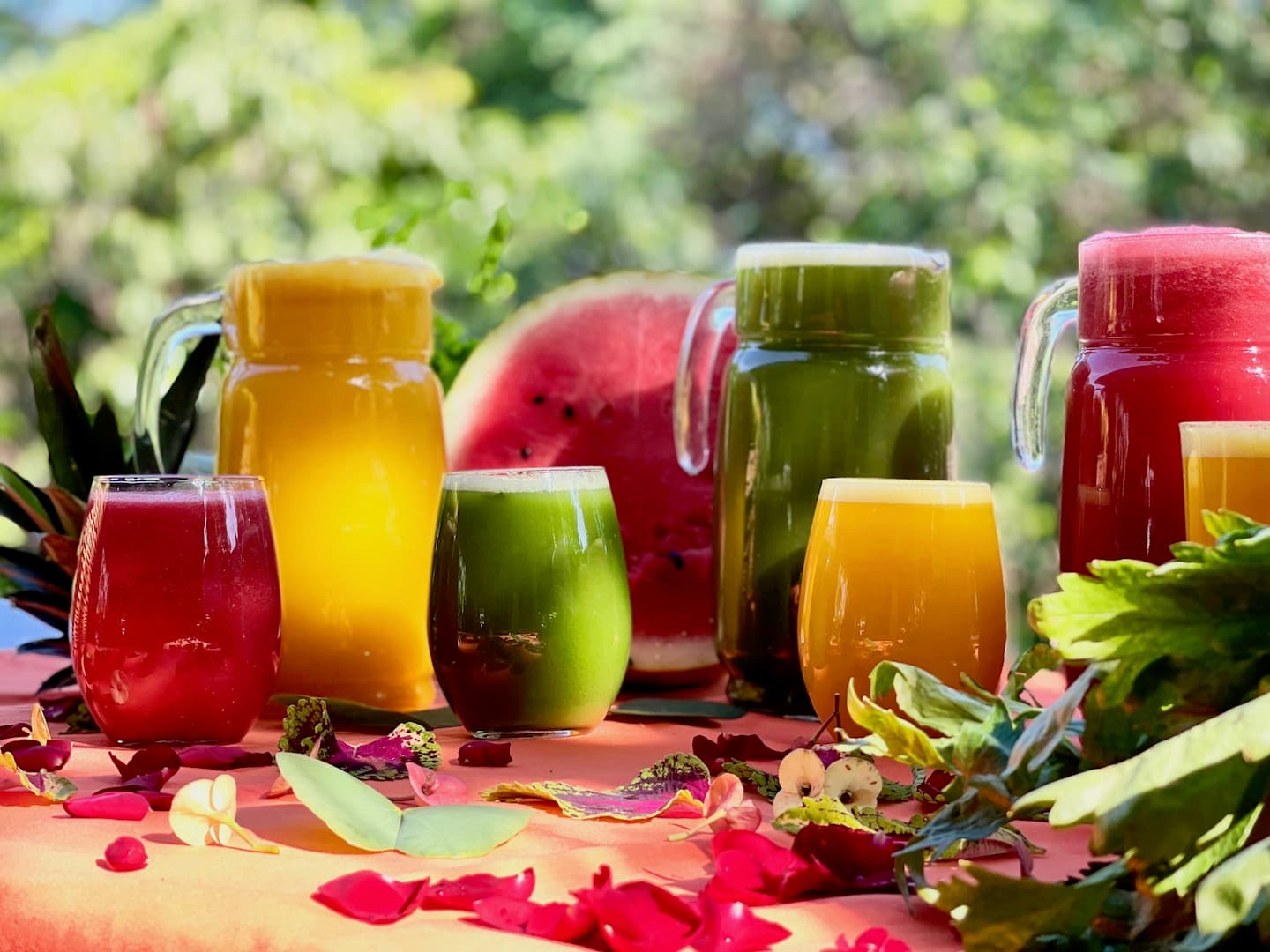
Regular consumption of juices and smoothies prepared with green vegetables, wild berries, and alkalizing fruit juices can greatly benefit areas affected by rheumatism. These concentrated nutrients help reduce inflammation while providing the building blocks for joint repair.
Movement and Body Therapies
Gentle movement becomes crucial for maintaining joint mobility. Basic yoga postures and therapeutic massage can help relieve pain while improving circulation to affected areas. The dance of Kaoshiki—a traditional yogic dance—can promote ongoing relief as the joints and muscles gradually strengthen through rhythmic, flowing movements.
Essential Guidelines
Similar to acidity treatments, maintaining regular bowel movements by consuming sufficient fibrous foods remains important for eliminating toxins that contribute to rheumatic conditions. Many remedies effective for treating acidity also benefit rheumatism, as both conditions stem from similar acidic imbalances in the body system.
Remember, healing rheumatism requires patience and consistency. By addressing the root cause through diet, lifestyle, and natural therapies, we can restore the body's innate balance and experience lasting relief.