Tapioca is a staple food in many parts of Asia, Africa, and South America, where it is commonly known as mandioca. In some regions of Asia, it became a primary food source during World War II, referred to as Ubi.
In South America and Brazil, tapioca is recognized by various names. The cassava root, also known as mandioc, is called Aipim in southeastern Brazil, especially in Rio de Janeiro. In other regions, it is known as Mandioca in North, Central-West, and São Paulo. In the Northeast, it is called tapioca or macaxeira. The fine-grained tapioca starch is called polvilho, available in two types: "sweet" (doce) and "sour" (azedo).
The word "tapioca" originates from "tipi'oka", a term in the Tupi language, spoken by the Indigenous people before the Portuguese arrived in Brazil. The name refers to the process of making the starch edible.
Tapioca Crepes – A Gluten-Free Delight
Tapioca flour is an exceptional ingredient for making pancakes or crepes, and it's incredibly fun to work with! The versatility of the mandioca root has made it a popular street food across Asia, Africa, South America, and Brazil. One of the best things about it? It's naturally gluten-free!
To clarify: Cassava is the root, mandioca is the flour, and tapioca is the starch extracted from it.
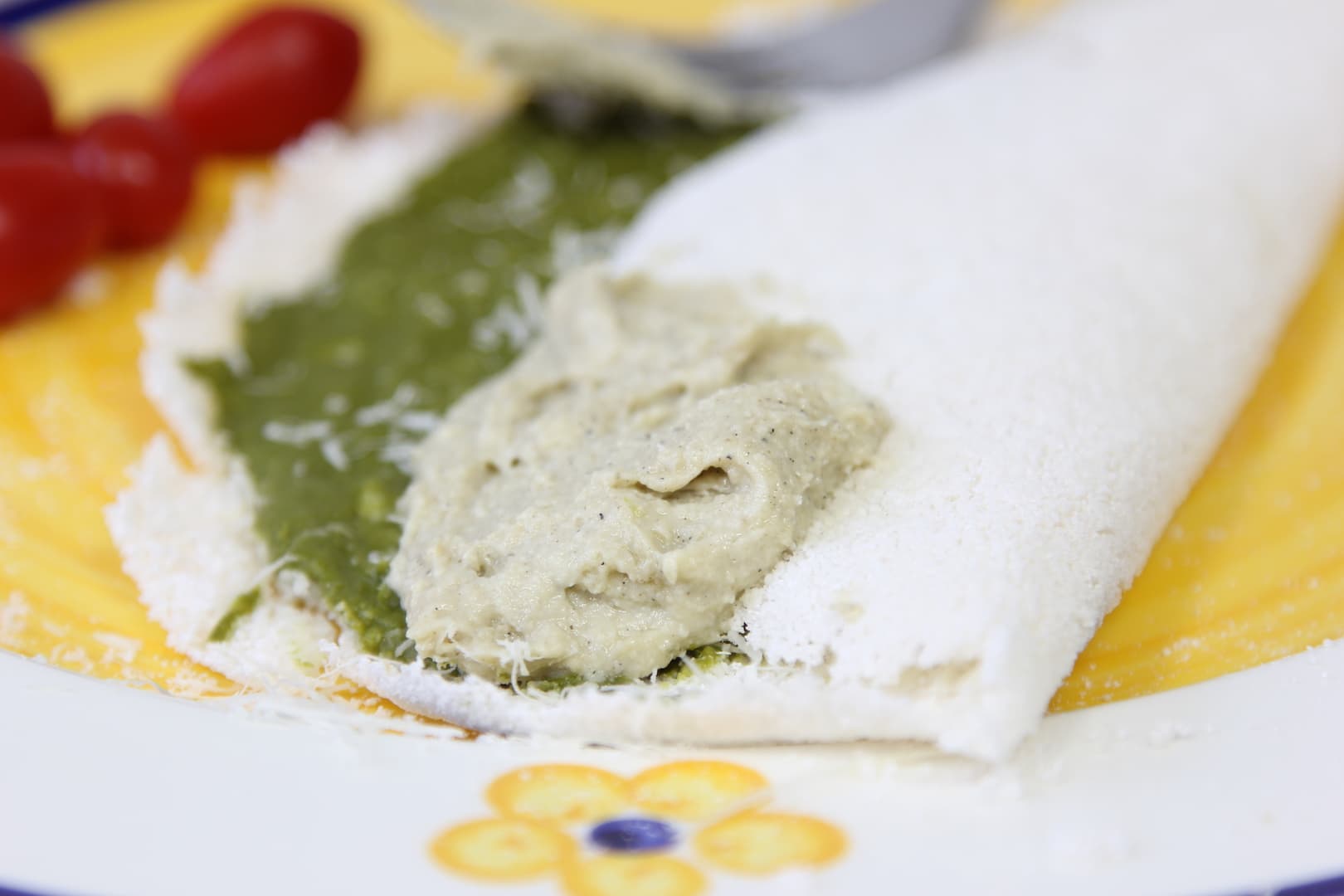
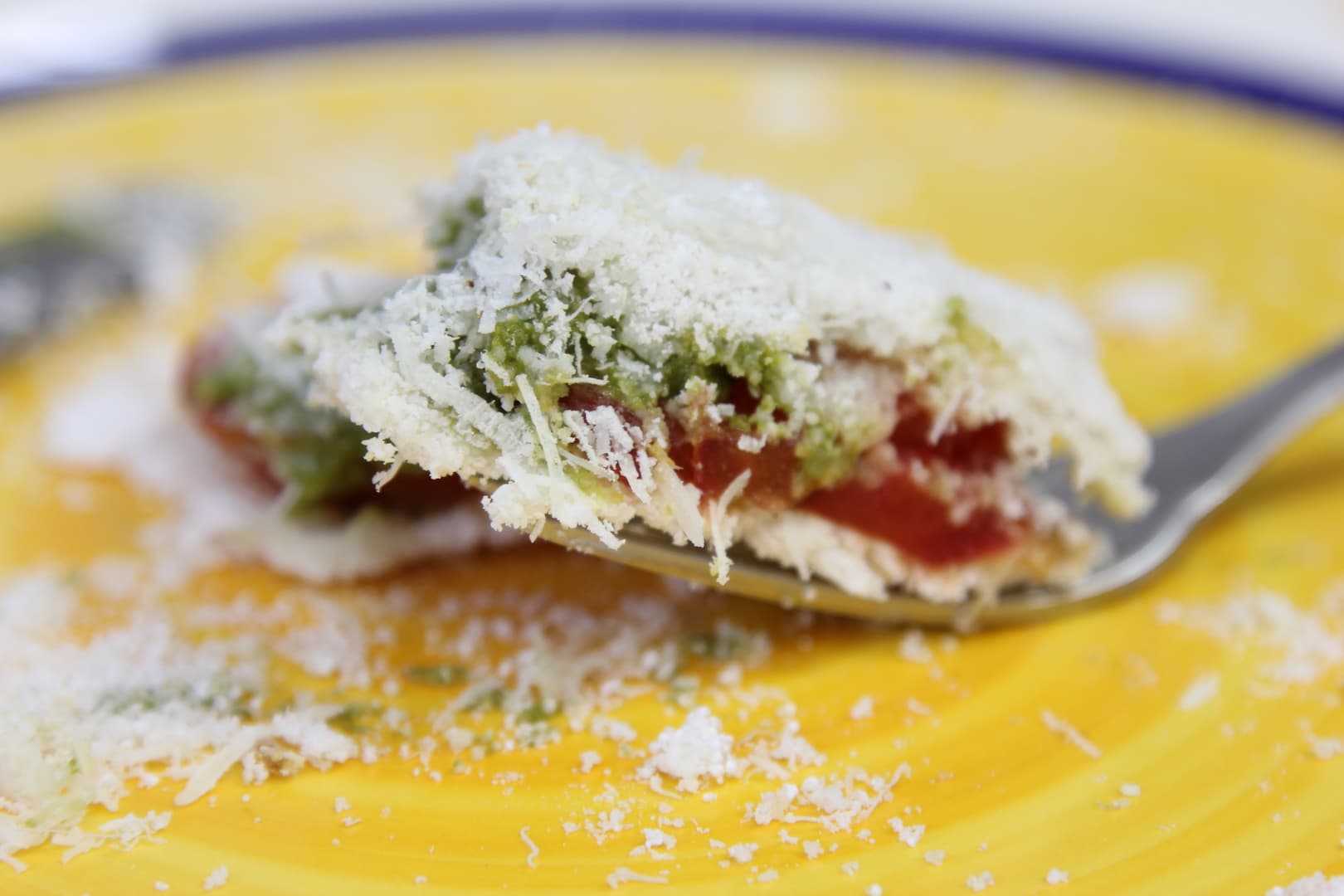
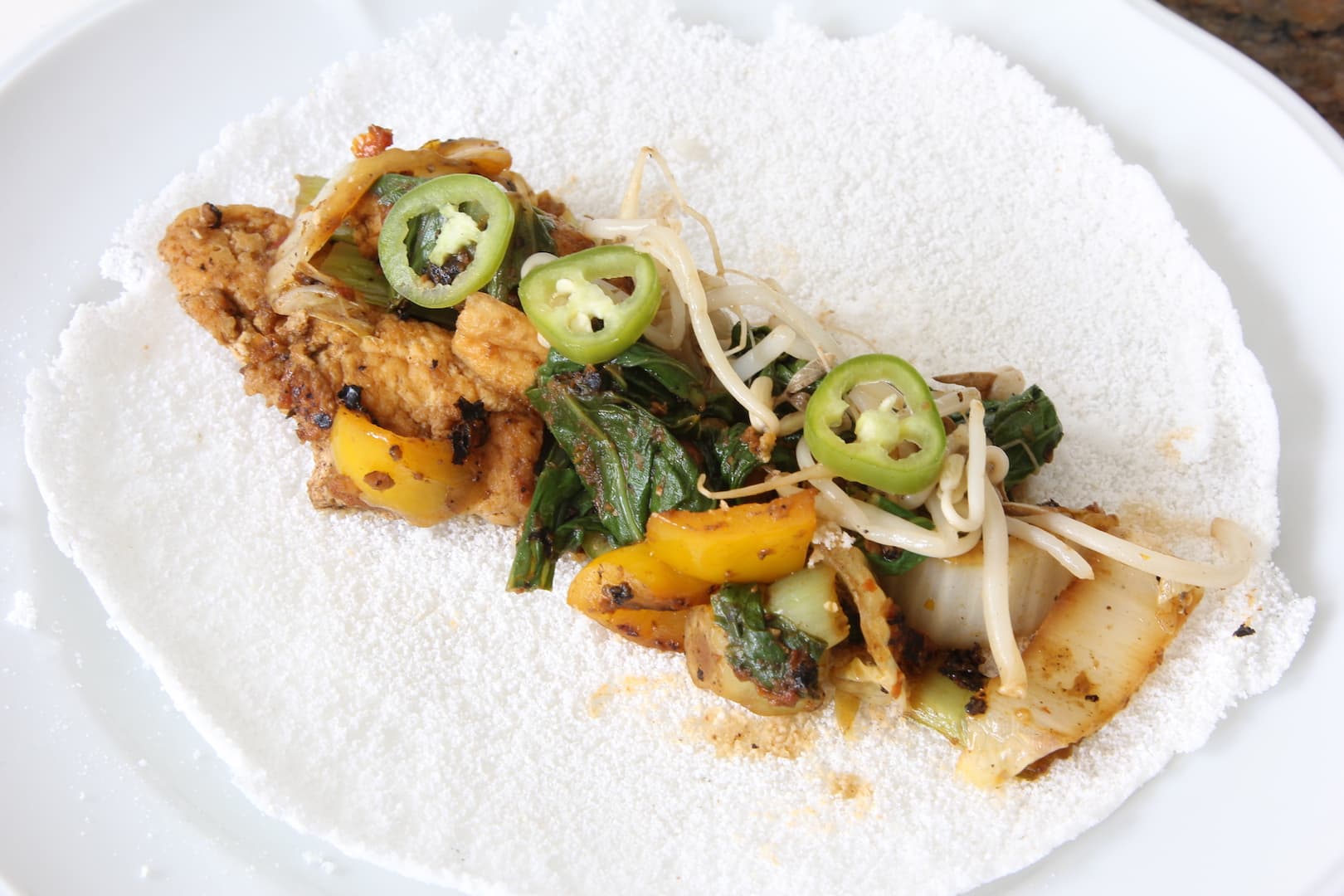
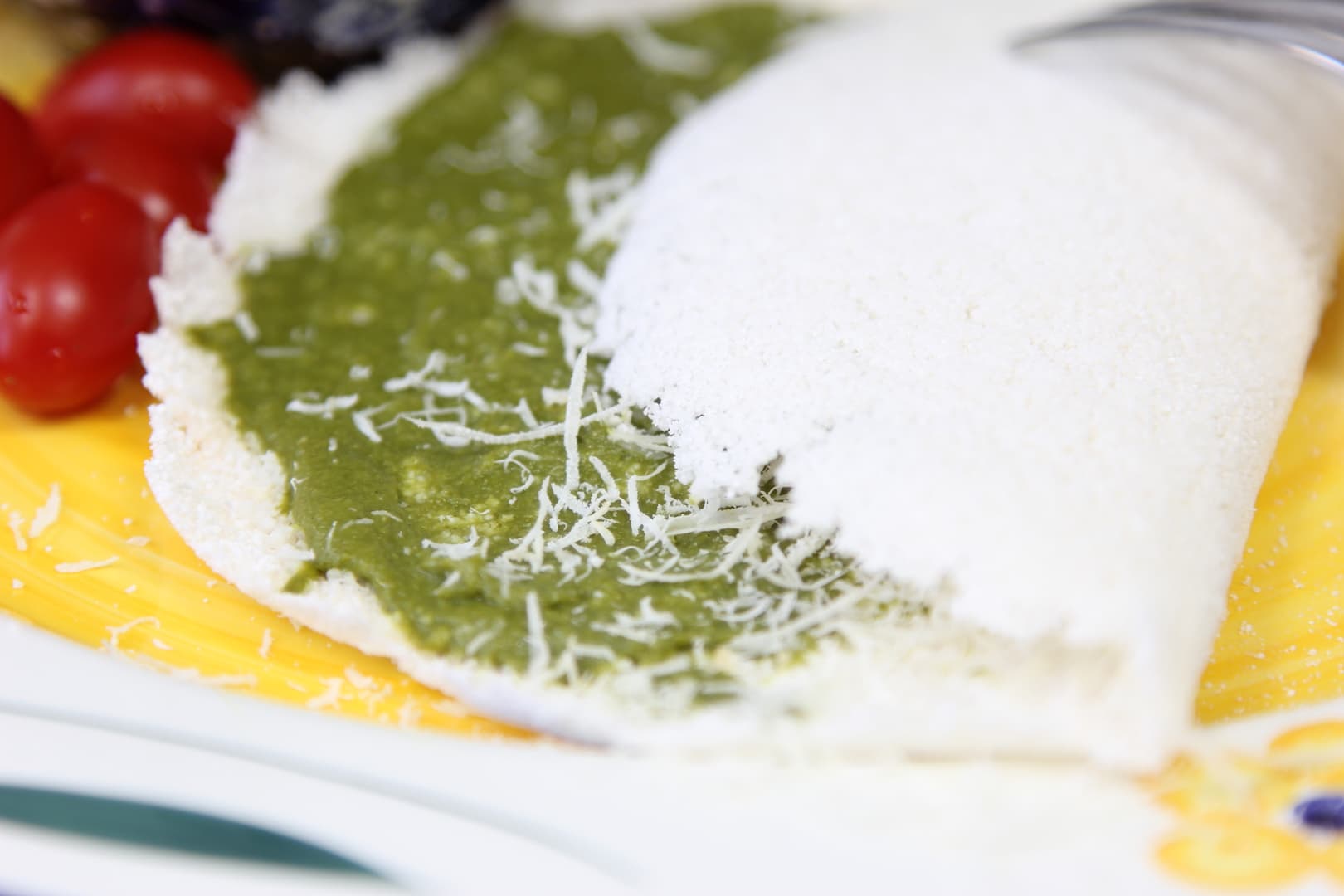
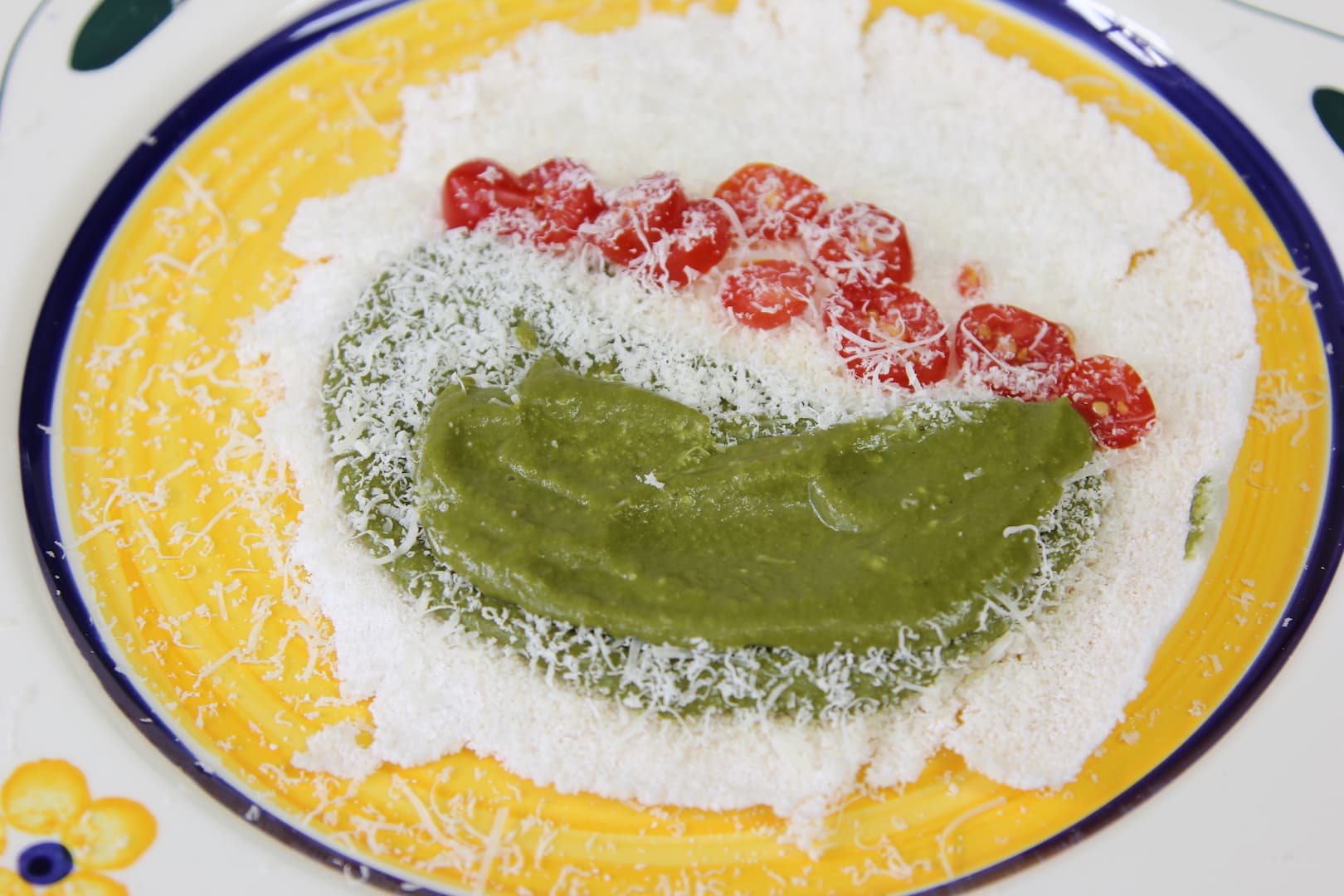
Tapioca crepes are often cooked to order on the streets. We can enjoy them with a variety of savory fillings, such as cheese or fresh vegetables, or opt for a sweet version with natural sweeteners. One of my favorite combinations is grated coconut with coconut milk, though melted chocolate sauce is equally divine!
Comentários
Entre para deixar um comentário
Receitas Relacionadas
Você Também Pode Gostar
The Art of Making Tapioca Crepes
The traditional process requires patience: use "polvilho doce" (sweet tapioca starch), mix it well with water, and let it sit for 6 to 8 hours, preferably overnight. In the morning, carefully drain the excess water, place a paper towel over the starch to absorb any remaining moisture, then crumble and sift the hardened starch through a fine sieve, creating a powdery, snow-like texture.
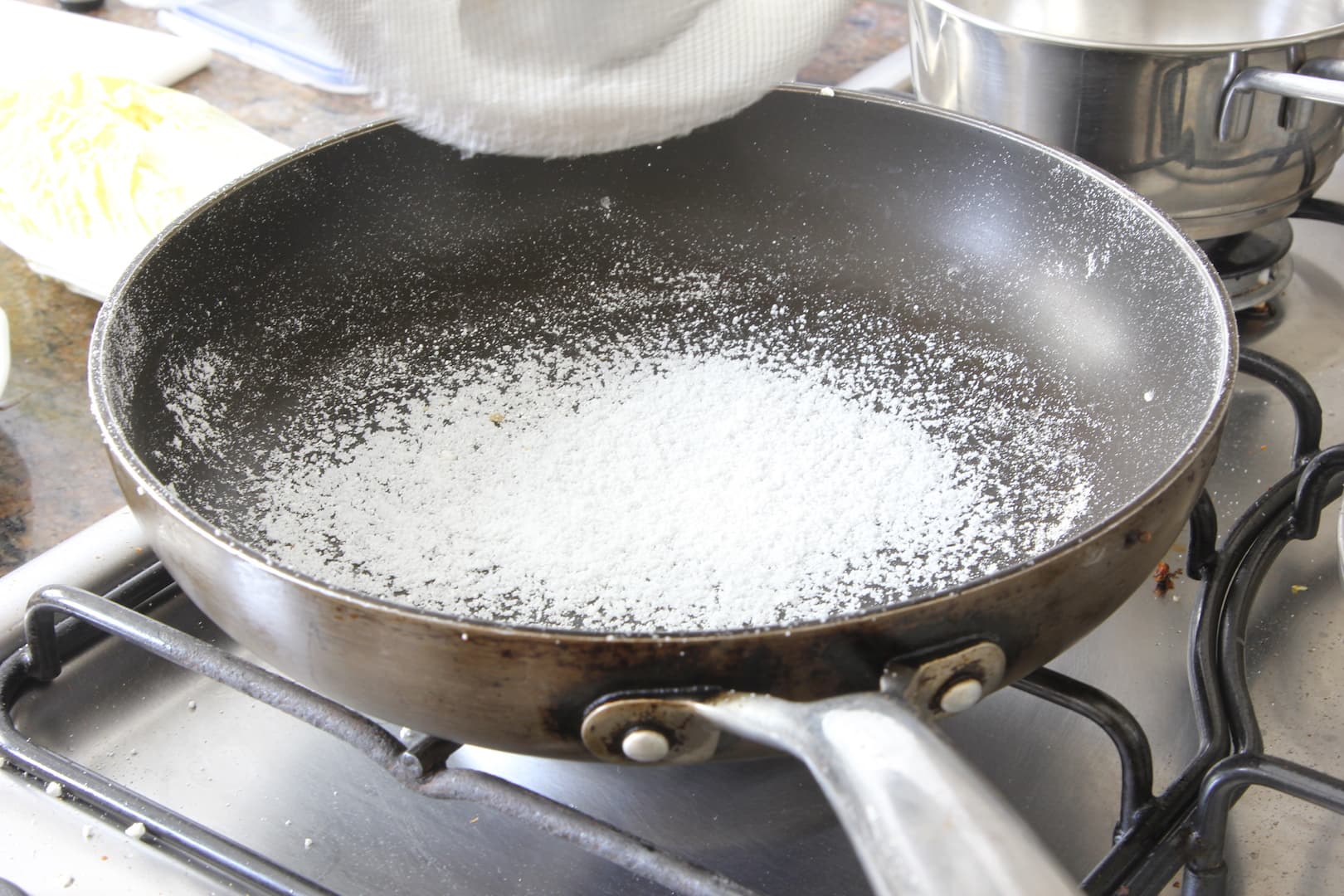
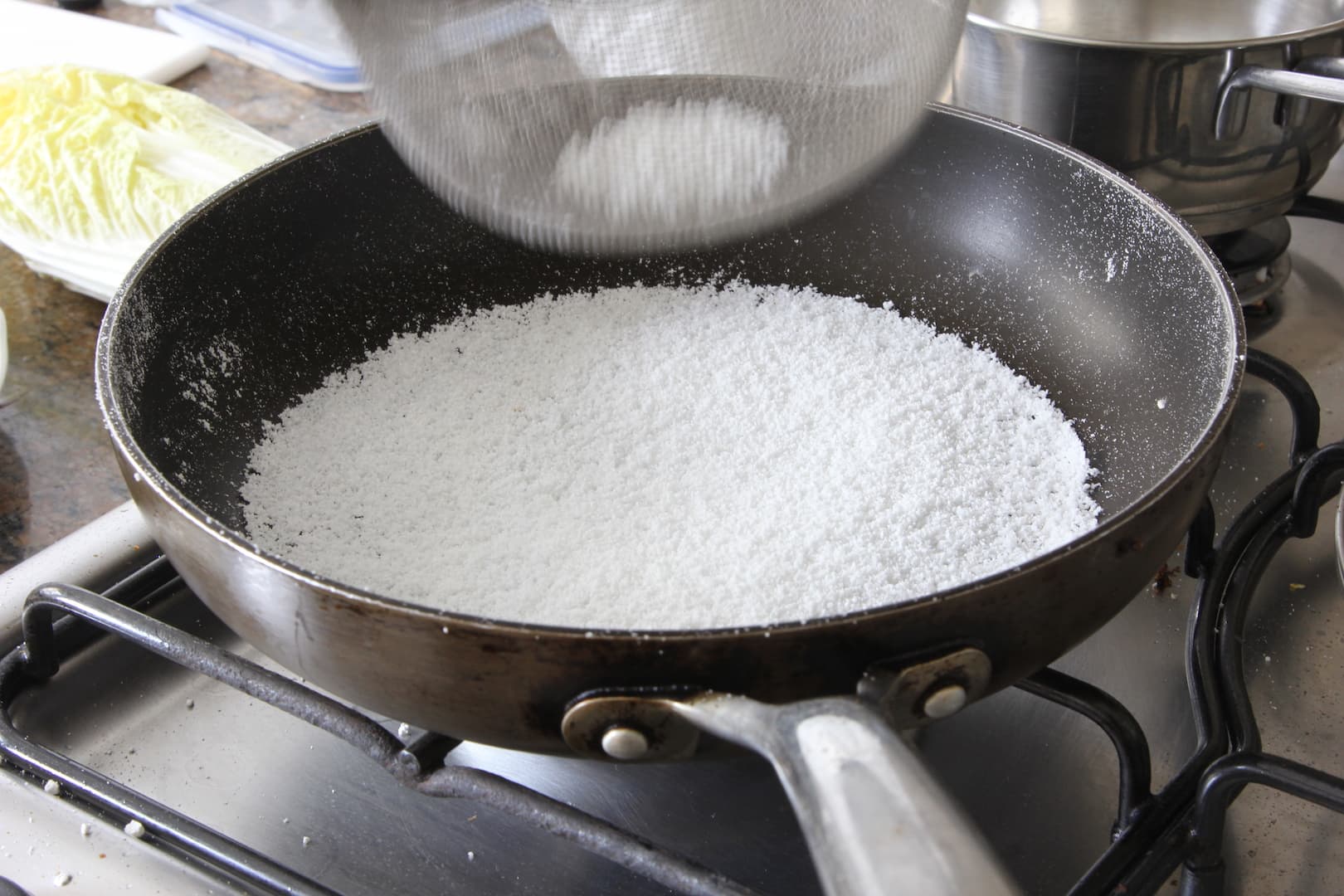
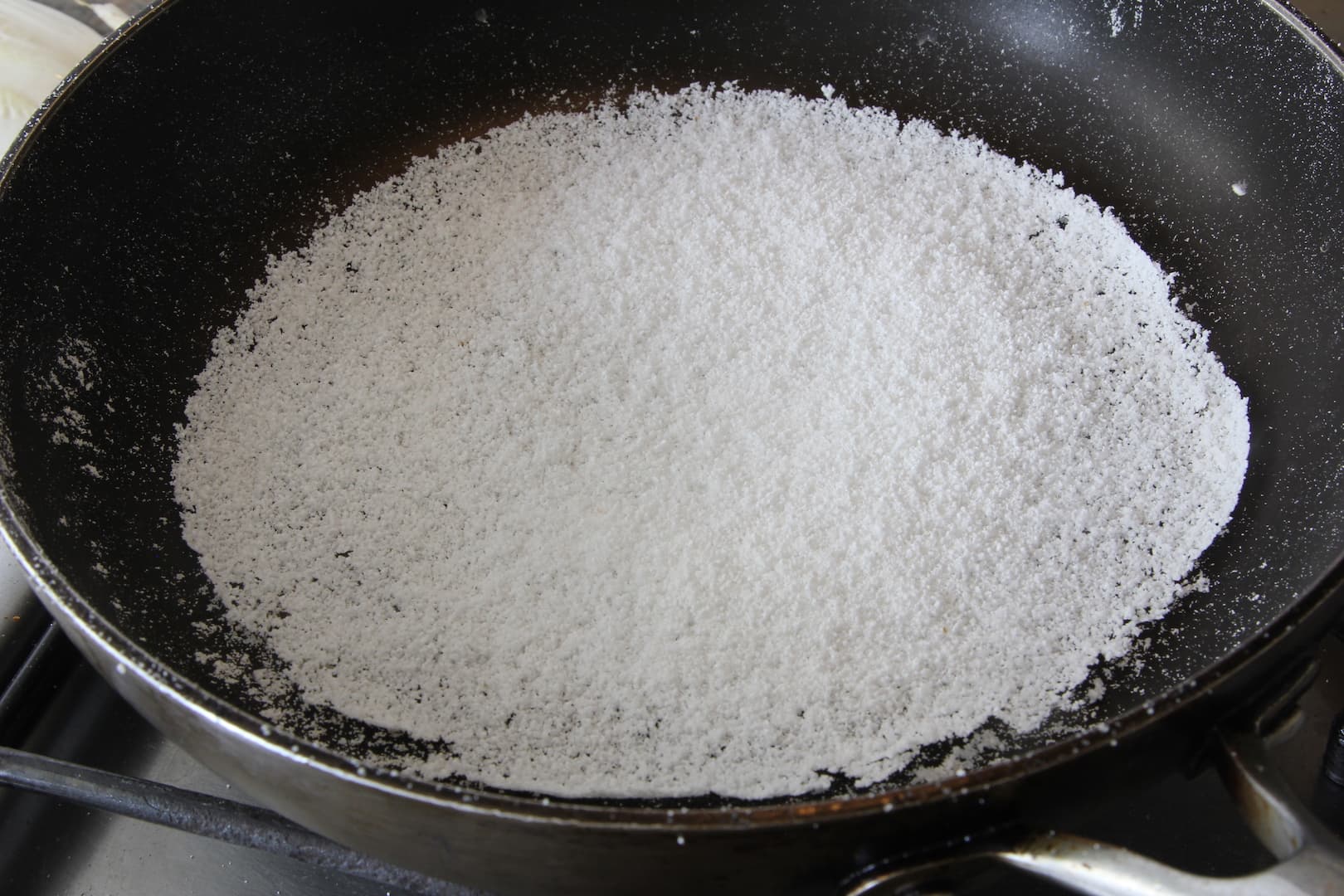
When cooking, heat a nonstick skillet over medium heat and sprinkle the tapioca powder evenly over the surface—it will melt together instantly, forming a soft, delicate crepe. If you're feeling adventurous, try flipping the crepe in the air with the skillet!
Tapioca starch comes in two varieties: Sweet Tapioca Starch (polvilho doce) is non-fermented with a milder flavor, while Sour Tapioca Starch (polvilho azedo) is slightly fermented before processing, giving it a tangy taste. Both versions taste fantastic, so it's a matter of personal preference.
Mandioca is the flour.
Tapioca is the starch extracted from it.
Tapioca crepes are often cooked to order on the streets. You can enjoy them with a variety of savory fillings, such as cheese, shredded beef, or guava, or opt for a sweet version, typically topped with condensed milk. One of my favorite combinations is grated coconut with coconut milk, though melted chocolate sauce is equally divine!
How to Make Tapioca Crepes
Prepare the Tapioca Starch
Use "povilho doce" (sweet tapioca starch).
Mix it well with water and let it sit for 6 to 8 hours (best done overnight).
Drain the Water
In the morning, carefully drain the excess water.
Place a paper towel over the starch to absorb any remaining moisture. Repeat this process several times to remove as much liquid as possible.
Break & Sift the Starch
The hardened starch needs to be crumbled and sifted through a fine sieve, creating a powdery, snow-like texture.
Cook the Crepes
Heat a nonstick skillet over medium heat.
Using a sieve, sprinkle the tapioca powder evenly over the skillet. It will melt together instantly, forming a soft crepe.
If you’re feeling adventurous, try flipping the crepe in the air with the skillet—good luck catching it! ?
Choosing Between Sweet & Sour Tapioca Starch
Tapioca starch comes in two varieties:
Sweet Tapioca Starch (povilho doce) – Non-fermented, used for a milder flavor.
Sour Tapioca Starch (povilho azedo) – Slightly fermented before processing, giving it a tangy taste.
Some recipes call for sweet starch, while others require sour starch—both versions taste fantastic, so it’s a matter of personal preference.
Now, Let’s Start Cooking!
Nutritional Benefits: Tapioca starch is rich in carbohydrates and provides quick energy while being naturally gluten-free, making it gentle on the digestive system. These delicate, versatile crepes offer endless filling possibilities for both savory and sweet preparations.
Preparo480 min
Cozimento5 min
Tempo Total485 min
Porções
units
Ingredientes
Crepe Base
Sweet Filling Options
Savory Filling Options
Modo de Preparo
01
Pass the moistened starch through a very fine sieve into a clean bowl.
02
Using a wooden spoon or gloved hand, stir the starch in the sieve so it falls like snowflakes into the bowl.
03
Heat a saucepan or nonstick skillet over medium heat.
04
Quickly sprinkle the sifted starch evenly over the hot skillet in a thin layer using a sieve.
05
Allow the crepe to cook for about 30 seconds, until it slides easily in the pan.
06
Flip the crepe by tossing the skillet if you feel confident, or use a spatula for a safer approach.
07
Cook for an additional 30-40 seconds, then slide the crepe onto a plate.
08
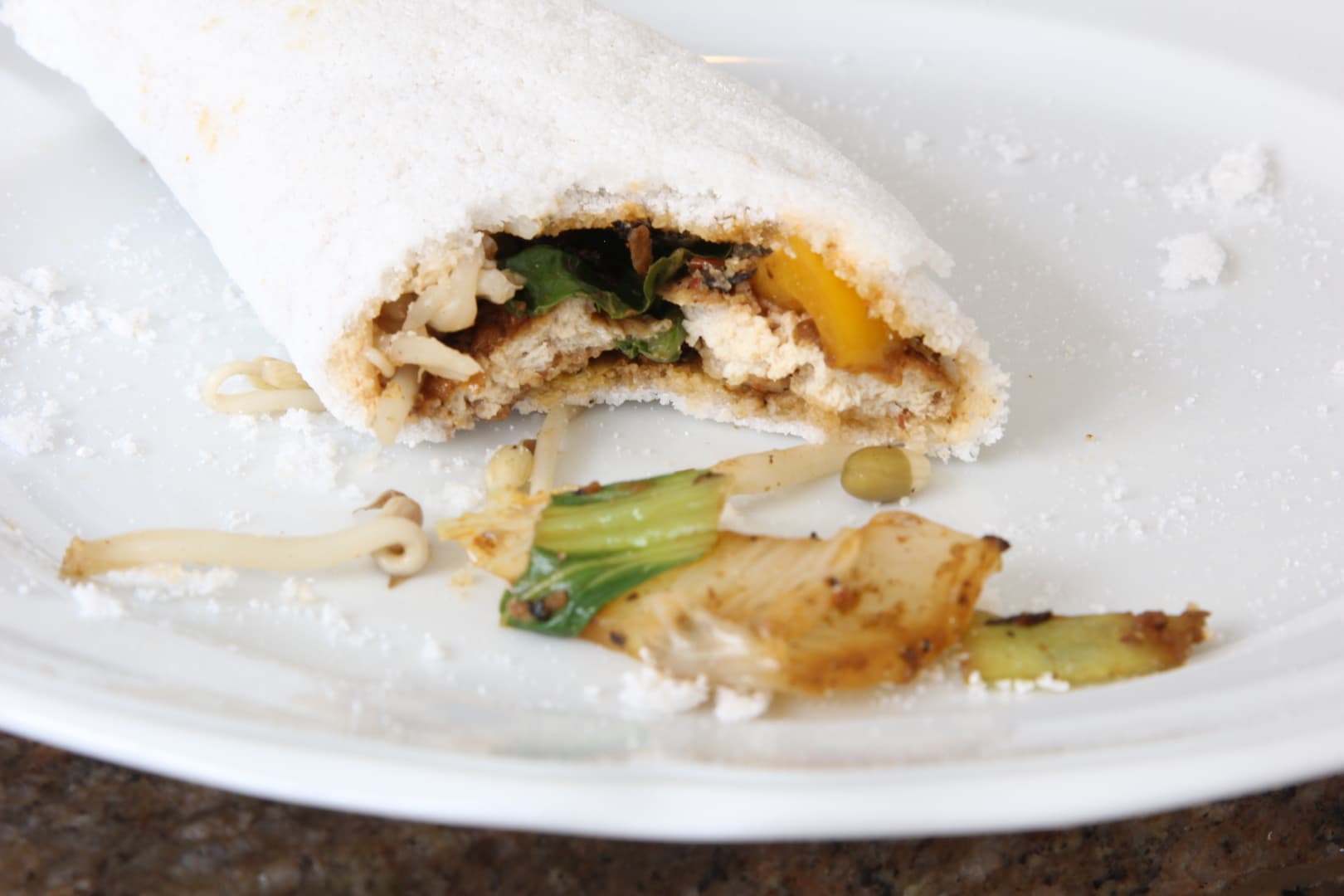
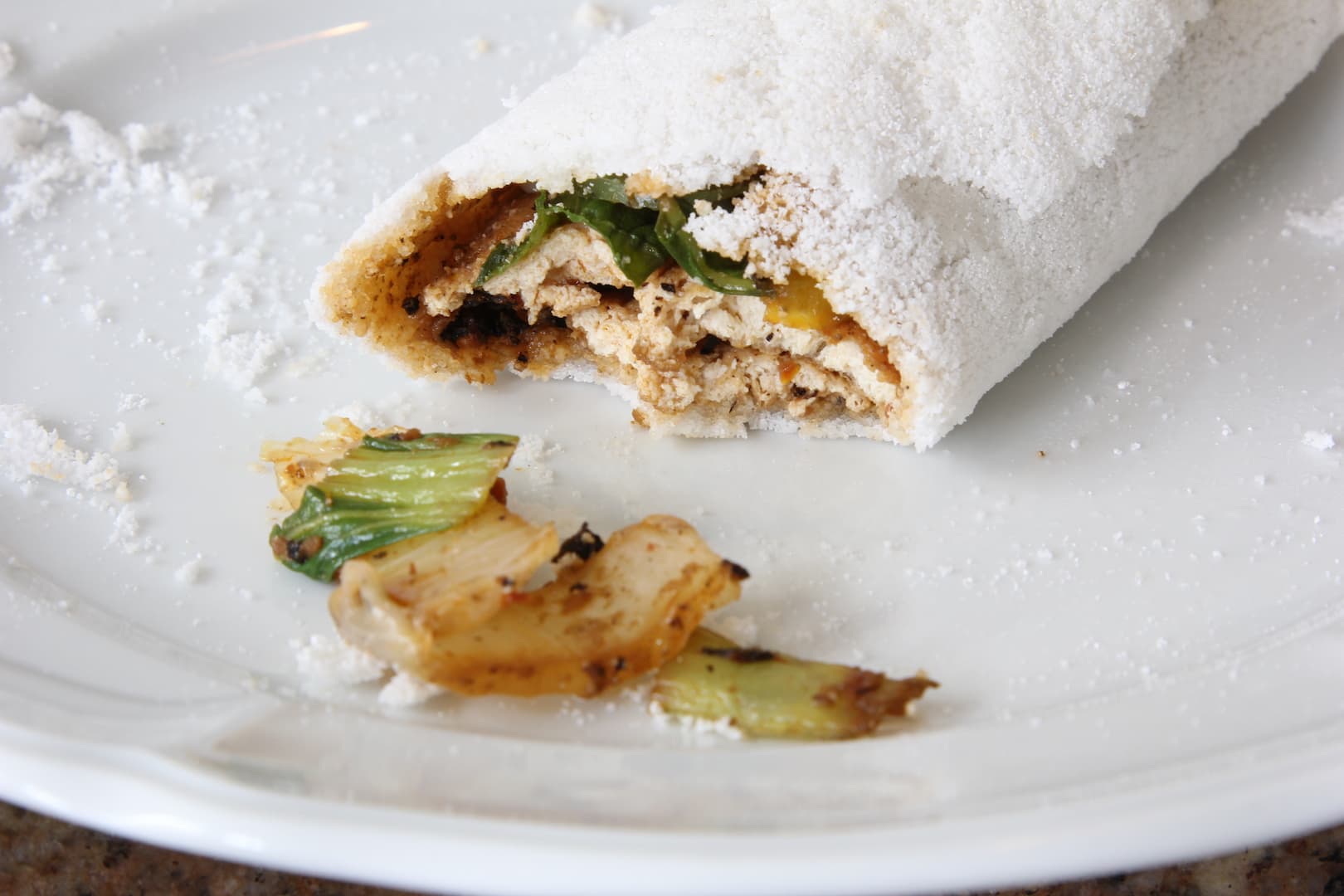
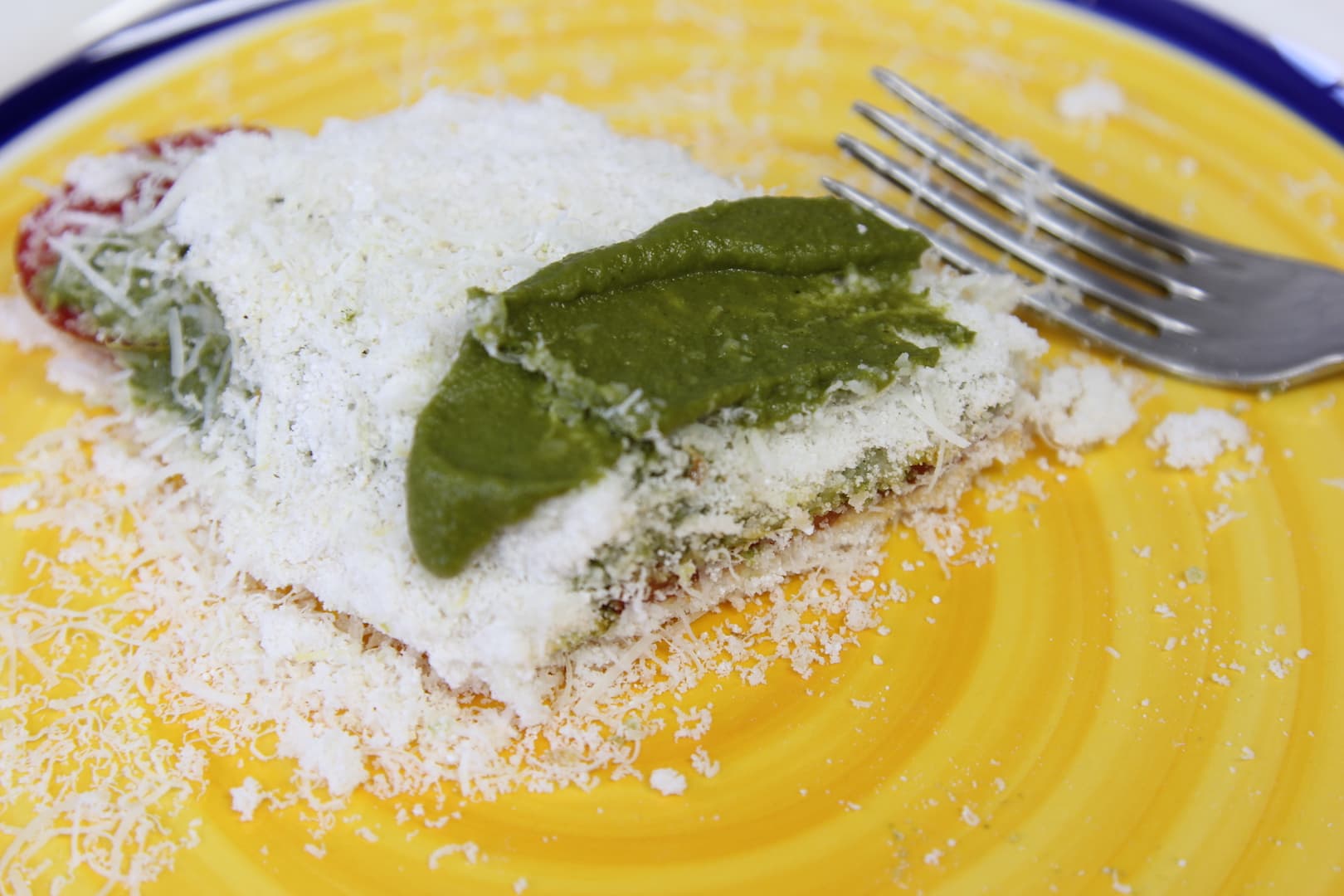
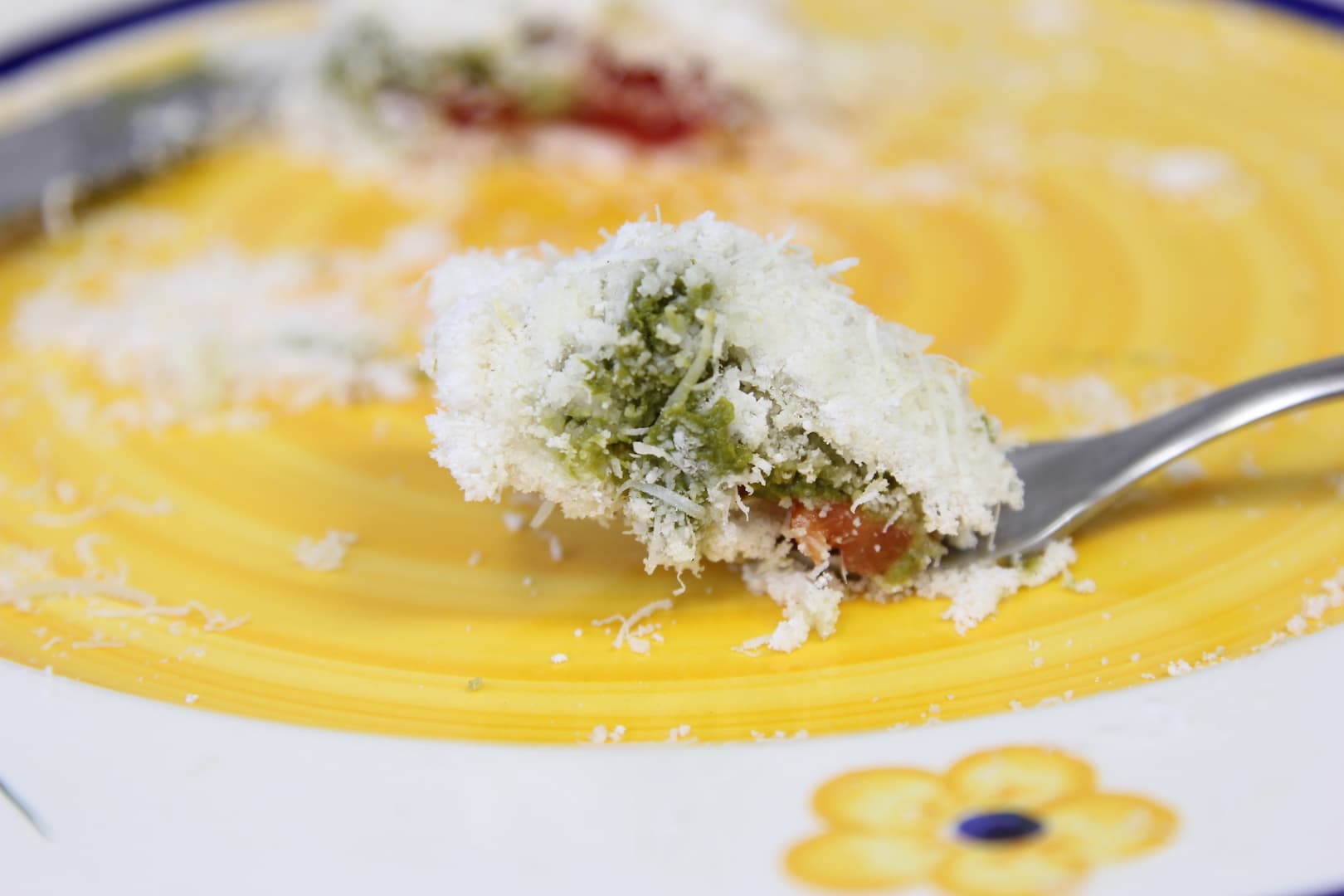
Fill the crepe with your desired filling and roll or fold as preferred.
09
For a savory version, fill with fresh cheese warmed slightly on the skillet, or for breakfast, enjoy with butter, grated coconut, honey, maple syrup, or coconut sugar.
10
For a sweet option, fill with sliced bananas and a sprinkle of cinnamon.
Informação Nutricional
Calorias: 68
Proteína: 0.2g
Carboidratos: 16.7g
Gordura: 0.1g
Fibra: 0.9g
Sódio: 147mg
Notas
Wipe the skillet clean after each crepe for best results. Serve the crepes warm, as they tend to stiffen upon cooling. The traditional preparation method requires overnight soaking, but this recipe uses a simplified approach for quicker preparation while maintaining authentic texture and flavor.
Comentários
Entre para deixar um comentário