
Green Nitric Oxide Boost Juice
Nitric oxide is a vital molecule that our bodies produce naturally, composed of one nitrogen atom and one oxygen atom. Its primary function is vasodilation—relaxing the inner muscles of blood vessels to increase circulation and ensure the effective transport of blood, nutrients, and oxygen throughout our system.
We can naturally support optimal nitric oxide levels through conscious food choices, particularly by consuming vegetables rich in nitrates and antioxidants. When our body's capacity to produce nitric oxide becomes limited, we may experience health challenges such as cardiovascular issues, poor circulation, and reduced vitality.
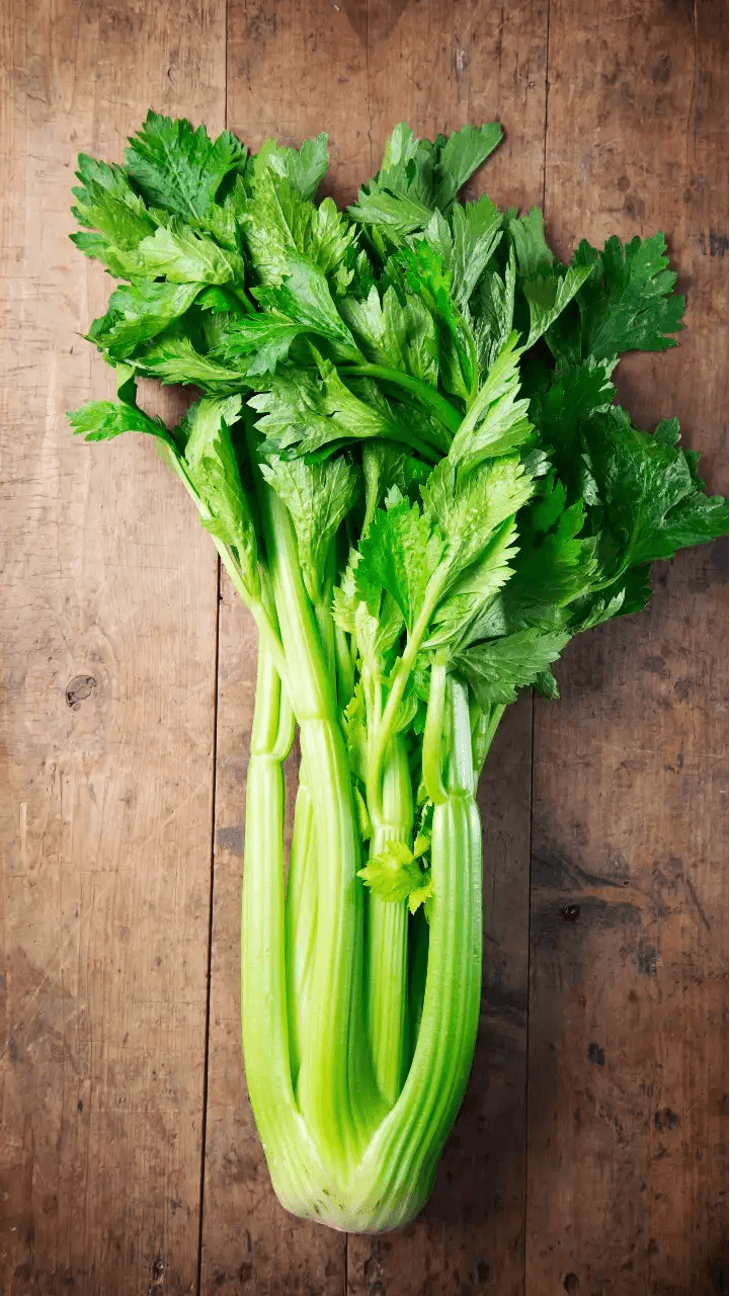
This vibrant green juice combines some of nature's most potent nitric oxide-supporting ingredients. Celery, spinach, and leafy greens provide natural nitrates, while fresh herbs and citrus contribute powerful antioxidants that help stabilize nitric oxide in our bloodstream. The addition of healthy oils enhances the absorption of fat-soluble vitamins and compounds.
Regular consumption of nitrate-rich vegetable juices, combined with mindful lifestyle practices like regular exercise and limited use of antibacterial mouthwash, supports our body's natural ability to maintain healthy circulation and vitality.
The Role of Antioxidants
Nitric oxide is an unstable molecule that degrades quickly in the bloodstream, so it must be constantly replenished. One way to increase its stability and limit its breakdown is by consuming antioxidants. Antioxidants are molecules that neutralize free radicals, which contribute to the short life of nitric oxide. These antioxidants are found in all foods but primarily those of plant origin, such as fruits, vegetables, nuts, seeds, and grains.
Key antioxidants include Vitamin C, which helps your body form connective tissues while producing brain chemicals that help nerve cells communicate; Vitamin E, which protects cells from free radical damage and strengthens immune function; Polyphenols, associated with reduced risk of cancer and cardiovascular disease; and Glutathione, coined "the mother of all antioxidants" as the main antioxidant and detoxifier of every cell in your body.
Several studies have found that consuming nitric oxide precursors, such as nitrate or citrulline, with antioxidants maintains greater levels of nitric oxide in your body by helping reduce its breakdown. Vegetables high in nitrate are also inherently rich in antioxidants, which explains why vegetables are so effective at increasing and maintaining optimal nitric oxide levels.
4. Limit your use of mouthwash.
Mouthwash destroys bacteria in your mouth that can contribute to the growth of cavities and other dental diseases. Unfortunately, mouthwash kills all types of bacteria, including the beneficial ones that help produce nitric oxide. Special bacteria in the mouth convert nitrate to nitric oxide. Humans cannot produce nitric oxide from nitrate without these bacteria. Research has shown that mouthwash kills the oral bacteria needed to produce nitric oxide for up to 12 hours. This leads to a decrease in nitric oxide production and, in some instances, an increase in blood pressure. The detrimental effects of mouthwash on nitric oxide production may even contribute to the development of diabetes, which is characterized by malfunctions in insulin production or action. This is because nitric oxide also regulates insulin, which helps cells utilize the energy obtained from food after it’s digested. Without nitric oxide, insulin cannot work properly. One study found that people who used mouthwash at least twice daily were 49% more likely to develop diabetes than those who never used mouthwash. Therefore, to maintain adequate nitric oxide production, it’s best to use mouthwash sparingly.
5. Get your blood flowing with exercise
Exercise really does get your blood pumping, largely because it improves endothelial function. Endothelium refers to the thin layer of cells that line the blood vessels. These cells produce nitric oxide, which keeps blood vessels healthy. Insufficient nitric oxide production results in endothelium dysfunction, which can contribute to atherosclerosis, high blood pressure, and other risk factors for heart disease. Exercise keeps your endothelial cells and blood vessels healthy by increasing your body’s natural ability to produce nitric oxide. Several studies have shown that regular physical activity increases endothelial vasodilation in people who have high blood pressure and heart disease, as well as in healthy individuals. Studies have also shown that exercise increases antioxidant activity, which helps inhibit the breakdown of nitric oxide caused by free radicals. The benefits of exercise on endothelial health and nitric oxide production can be seen in as little as 10 weeks when exercising for 30 minutes at least three times a week . For optimal results, combine aerobic training, such as walking or jogging, with anaerobic training, such as
The bottom line is
Nitric oxide is an essential molecule required for overall health. As a vasodilator, nitric oxide signals the blood vessels to relax, allowing them to expand. This effect allows blood, nutrients, and oxygen to flow freely to every part of your body. But when nitric oxide production is decreased, your health can become compromised. Therefore, it’s important to achieve and maintain optimal levels of nitric oxide in your body. A diet high in nitrate-rich vegetables and antioxidants or the use of supplements, such as L-arginine or L-citrulline, are beneficial ways to boost your body’s natural production of nitric oxide. Other proven strategies include limiting mouthwash and exercising regularly. For optimal nitric oxide production, increase your intake of nitrate-rich vegetables and exercise at least 30 minutes per day.
Nutritional Benefits: This powerful green juice combines nitrate-rich vegetables like celery and spinach with antioxidant-dense ingredients to naturally support your body's nitric oxide production. Nitric oxide acts as a vasodilator, relaxing blood vessel walls to improve circulation and deliver nutrients and oxygen throughout your system.



Comentarios
Inicia sesión para dejar un comentario