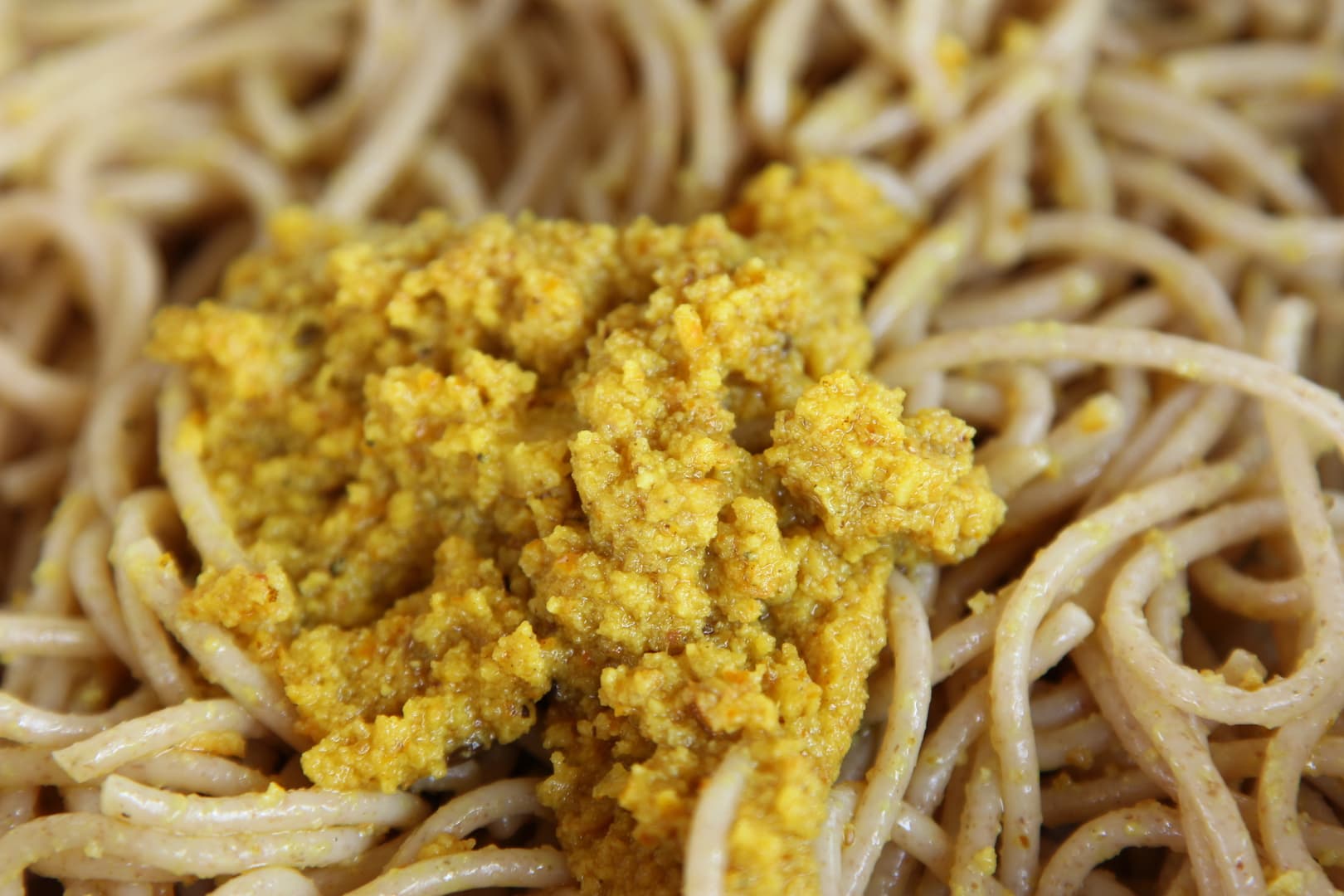
Chutney was traditionally made as an appetizer to awaken the taste buds before and during a meal. The origins of preserved lemon trace back to North Africa and the Mediterranean. As lemon trees spread from Morocco to India, so did the art of preserving them, incorporating preserved lemons into a wide range of Middle Eastern and Asian dishes.
Lemon chutney has been instrumental in naval history. Portuguese navigators and sailors were pioneers in Europe to set off across oceans in search of new lands. During long and arduous sea voyages, many seamen succumbed to the deadly scurvy disease. After years of losing crew members on extended voyages, a doctor discovered that the sailors were dying of scurvy due to a lack of vitamin C. This discovery led sailors to prepare citrus fruit preserves in salt for their journeys.
Once Portuguese sailors arrived in India, these preserves evolved into the diverse variety of chutneys we enjoy today, as explained in historical accounts of how chutney (pickle) saved seamen during the early days of high-seas navigation.
Today, preserved lemons and lemon chutney are widely enjoyed in cuisines worldwide. They're used as spreads, appetizers, sauces, dips, dessert toppings, or even in cocktail drinks. Making this chutney requires patience but isn't complex—you only need a handful of ingredients and time for the flavors to develop their full potential.
Nutritional Benefits: Rich in vitamin C and citrus bioflavonoids, lemon chutney has long been cherished not only for its tangy flavor but also for its medicinal properties. It serves as a traditional home remedy for digestive disorders in Ayurvedic cuisine and is celebrated in East African folk medicine for supporting spleen health.

Comentarios
Inicia sesión para dejar un comentario