Crispy Papadam
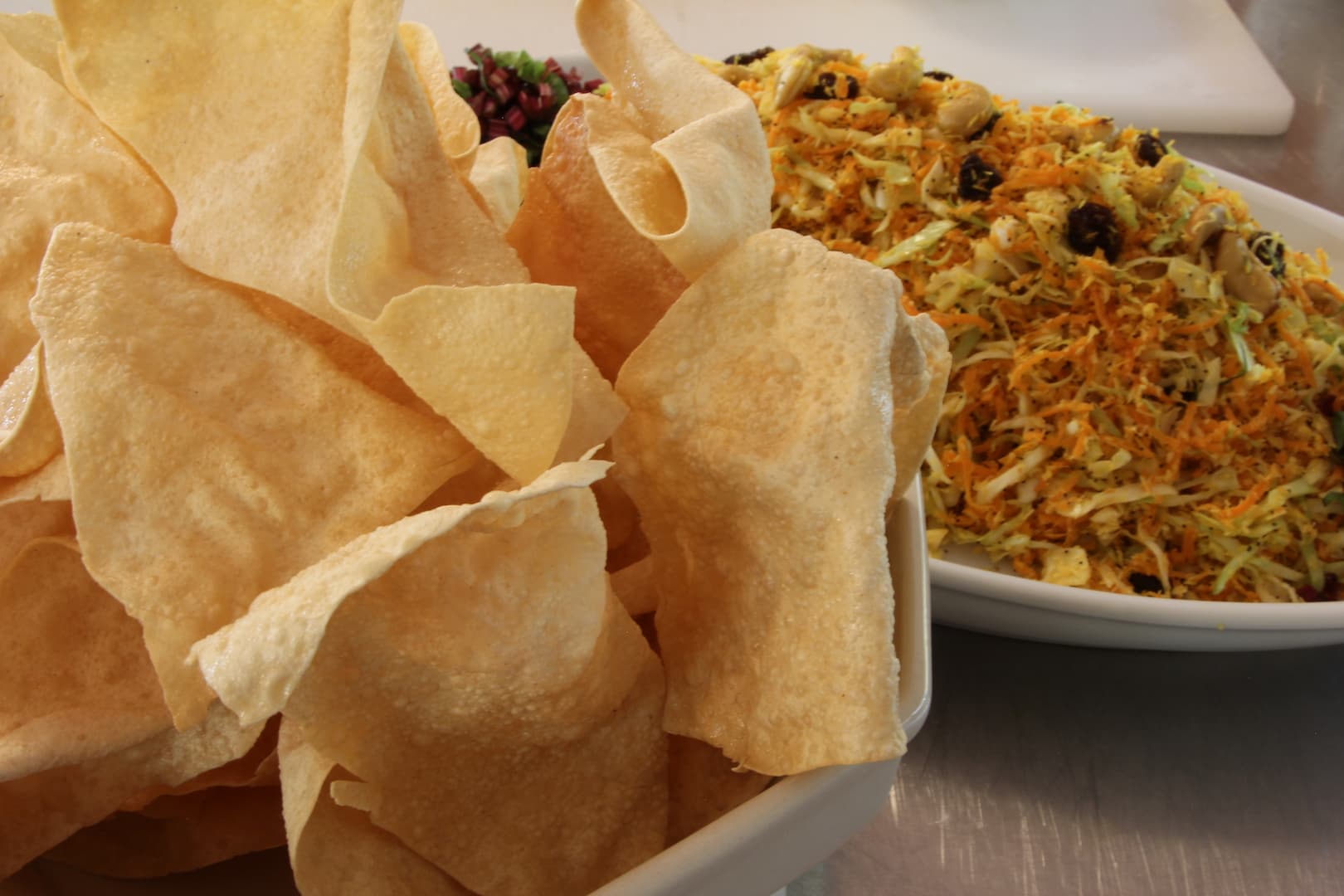
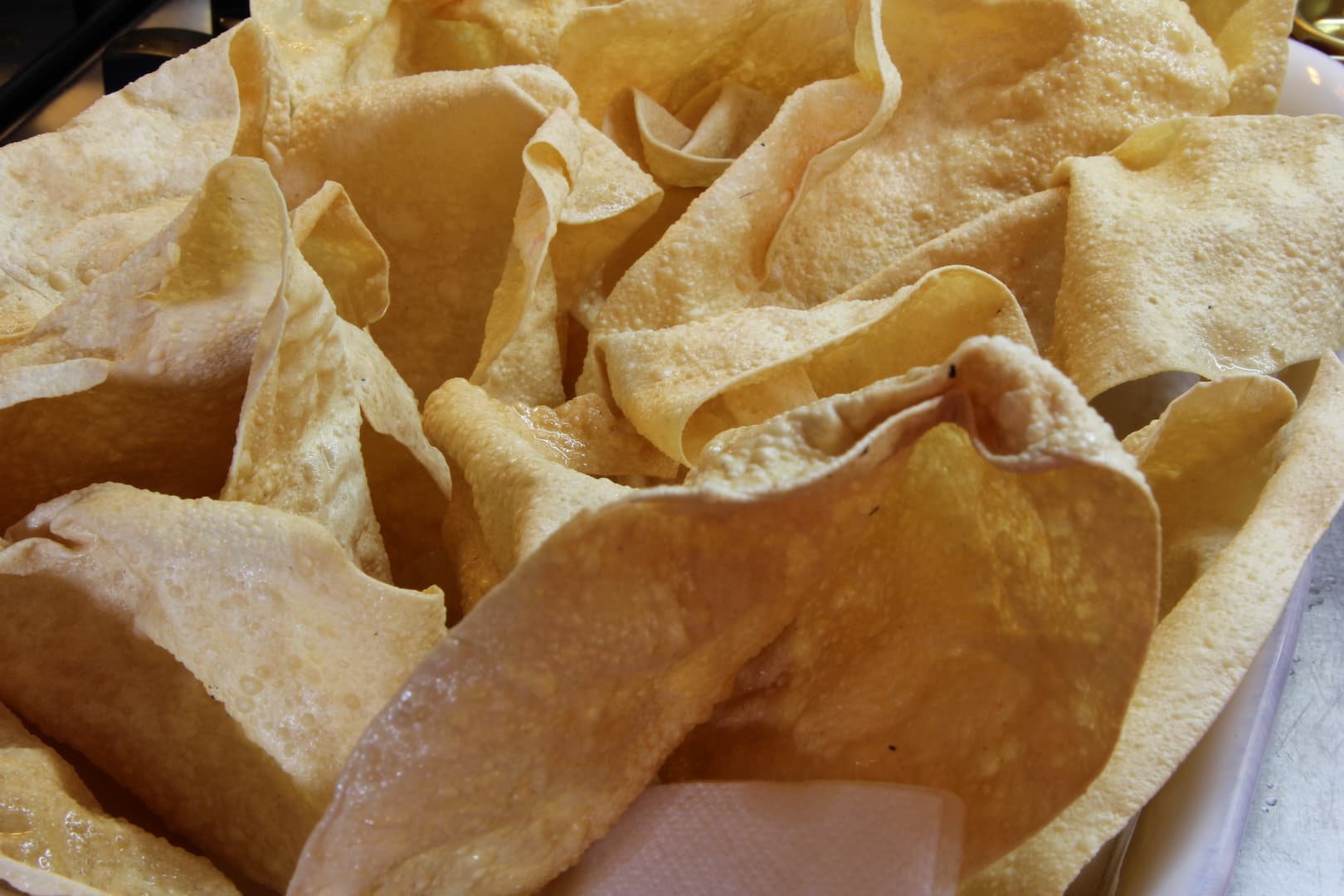
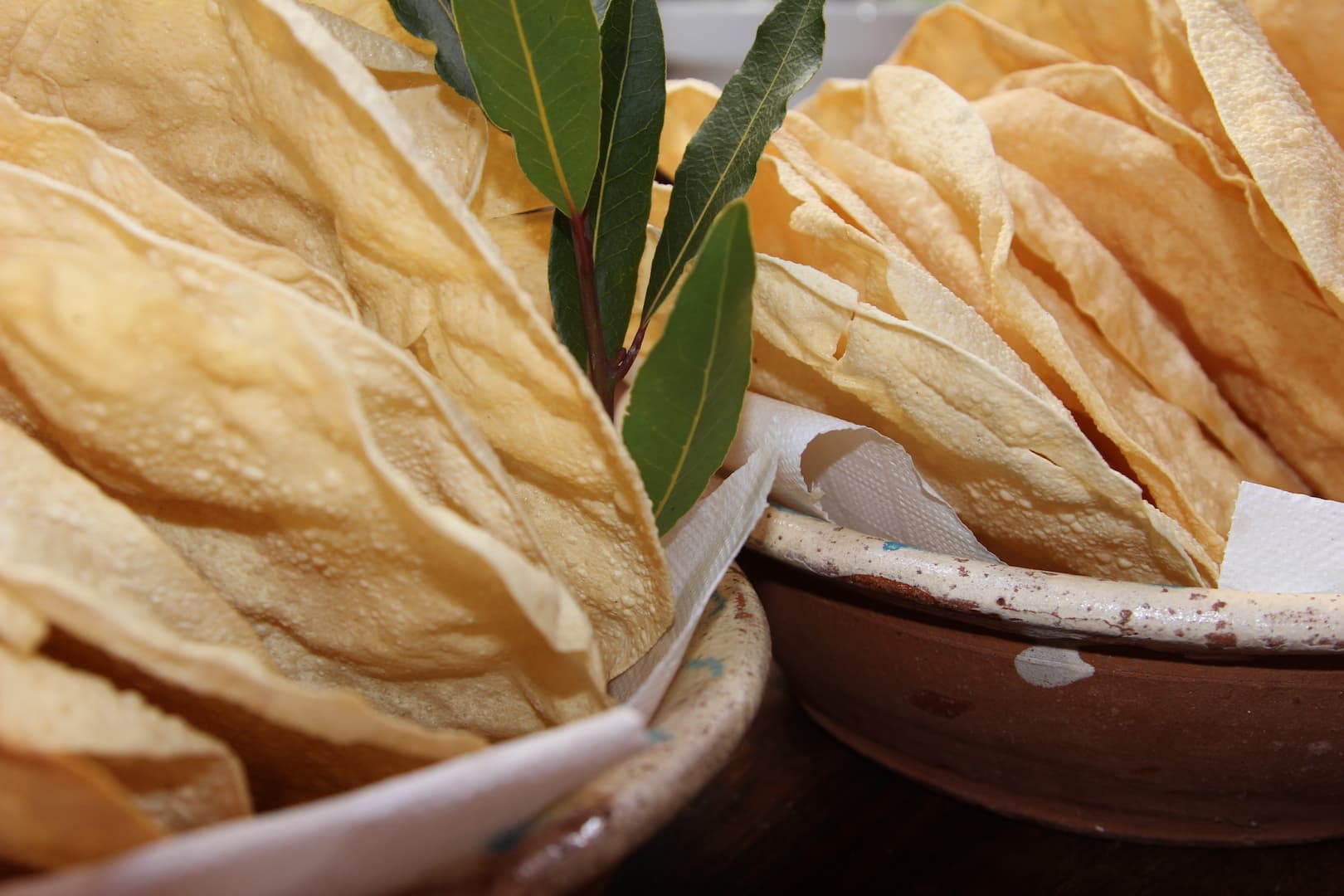
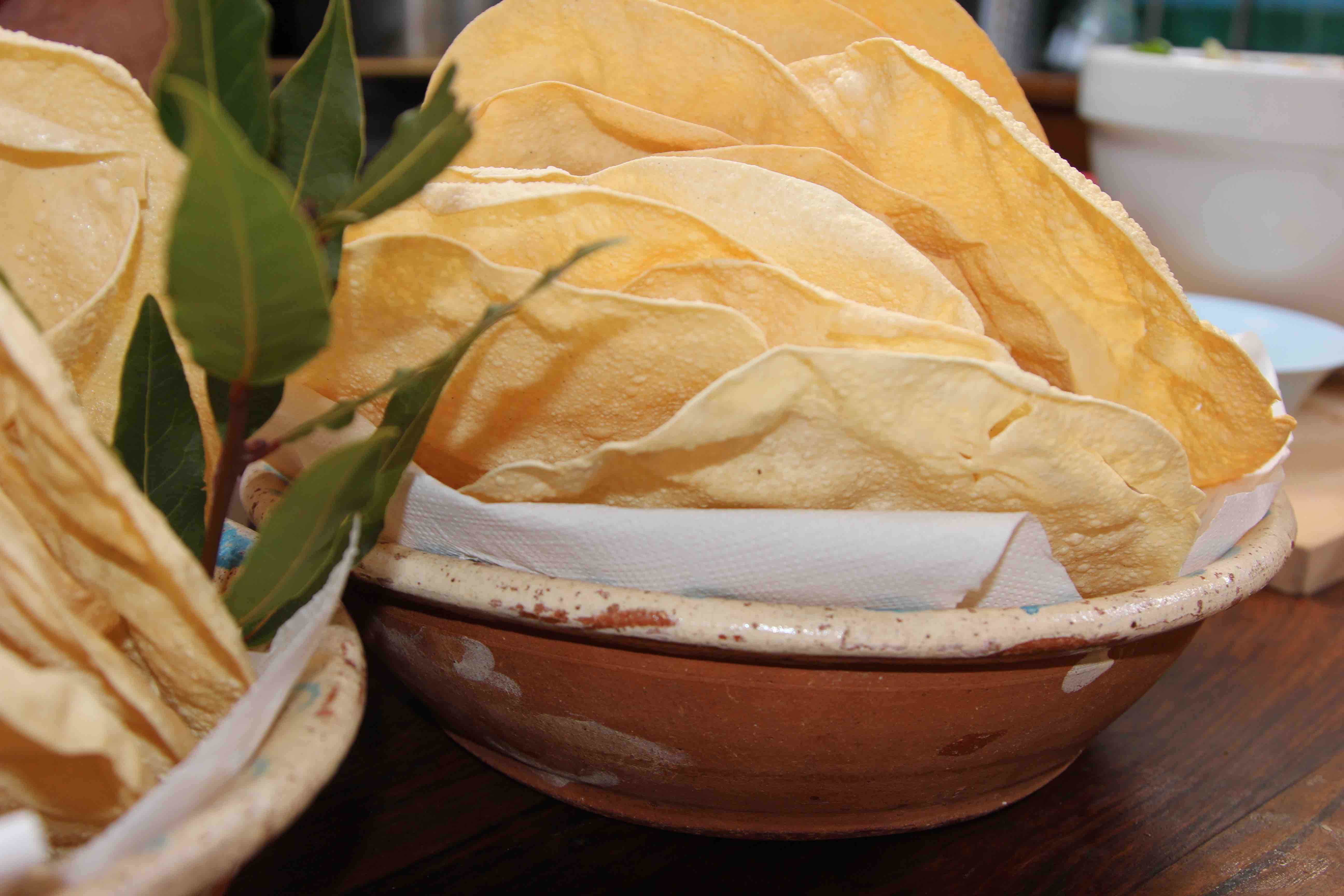
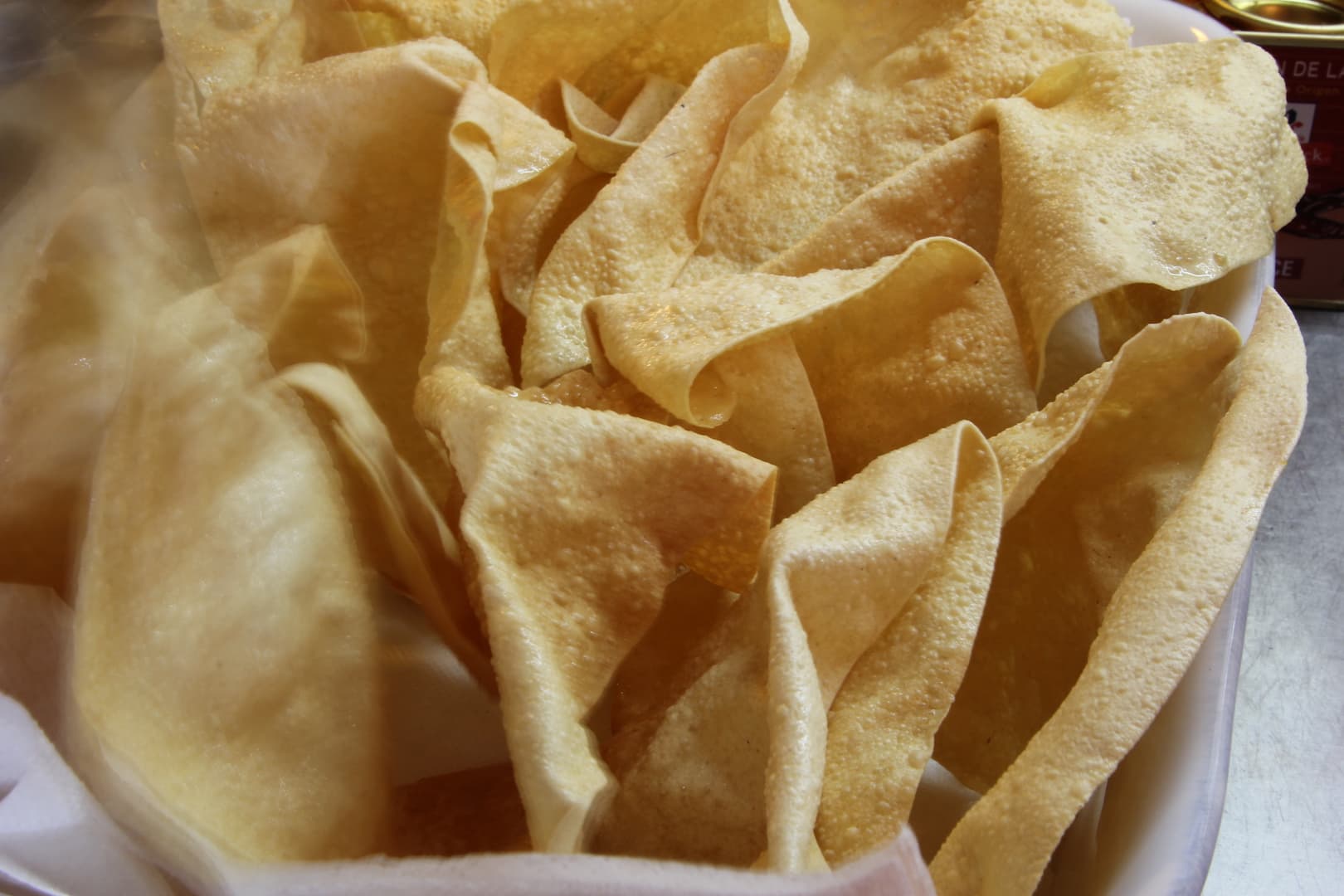
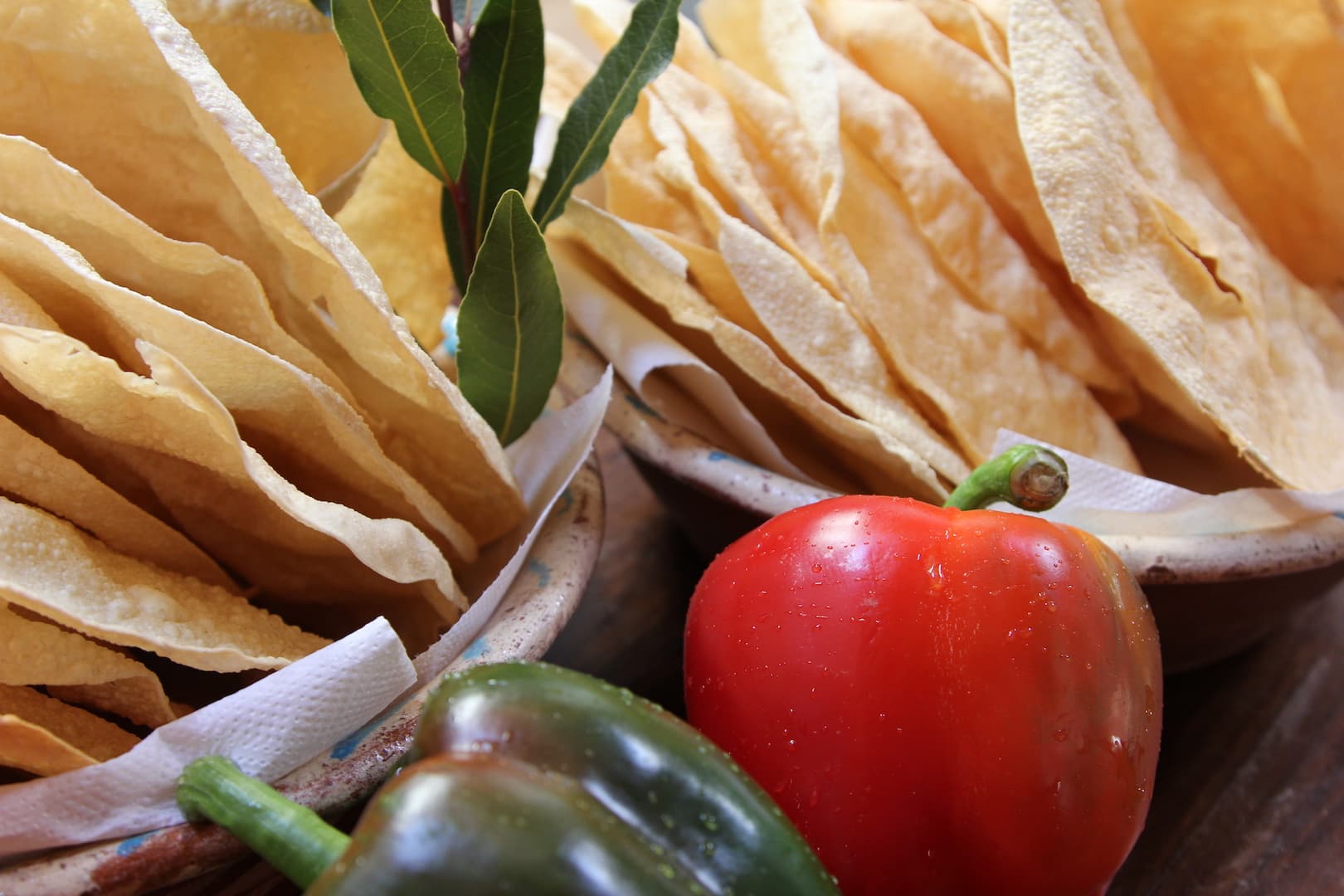
Papadams are thin, disc-shaped flatbread-like sides originating from South India, where they have been enjoyed for centuries as both appetizers and accompaniments to main meals. Their primary ingredient is peeled black gram (Vigna mungo) flour, which is kneaded into dough, rolled into thin round discs, and sun-dried until dry yet pliable—ensuring they won't crack when folded.
The best way to cook papadams is to fry them, yielding the crunchiest and crispiest results. A quick and effortless alternative to deep frying is toasting them in a bread toaster—simply pop one in, wait a few seconds, and pop it out, crispy and ready to enjoy. You can also roast them in a skillet over medium heat. Since they cook very quickly, you must watch them closely to prevent burning. I have burnt them while multitasking, so it is essential to stay by the heat and remove them as soon as they puff up and turn golden brown.
Traditionally served as appetizers or snacks in South Indian restaurants, papadams have gained worldwide popularity. They add a delightful crunch to rice, dal, salads, and vegetable curries, and pair excellently with dips, sauces, or chutneys. Personally, I enjoy papadams as a solo snack with pestos and salsas. I once saw raw papadam pieces added to tomato chutney and cooked, resulting in a delicious, spaghetti-like texture!
Papadams are known by various names: in Tamil Nadu, they are called Appalam; in Kerala, papadum (with a U); in most parts of North India, papad; and in the West, sometimes fried bread. They also carry a rich cultural history and are associated with women's empowerment in India.
Comentarios
Inicia sesión para dejar un comentario