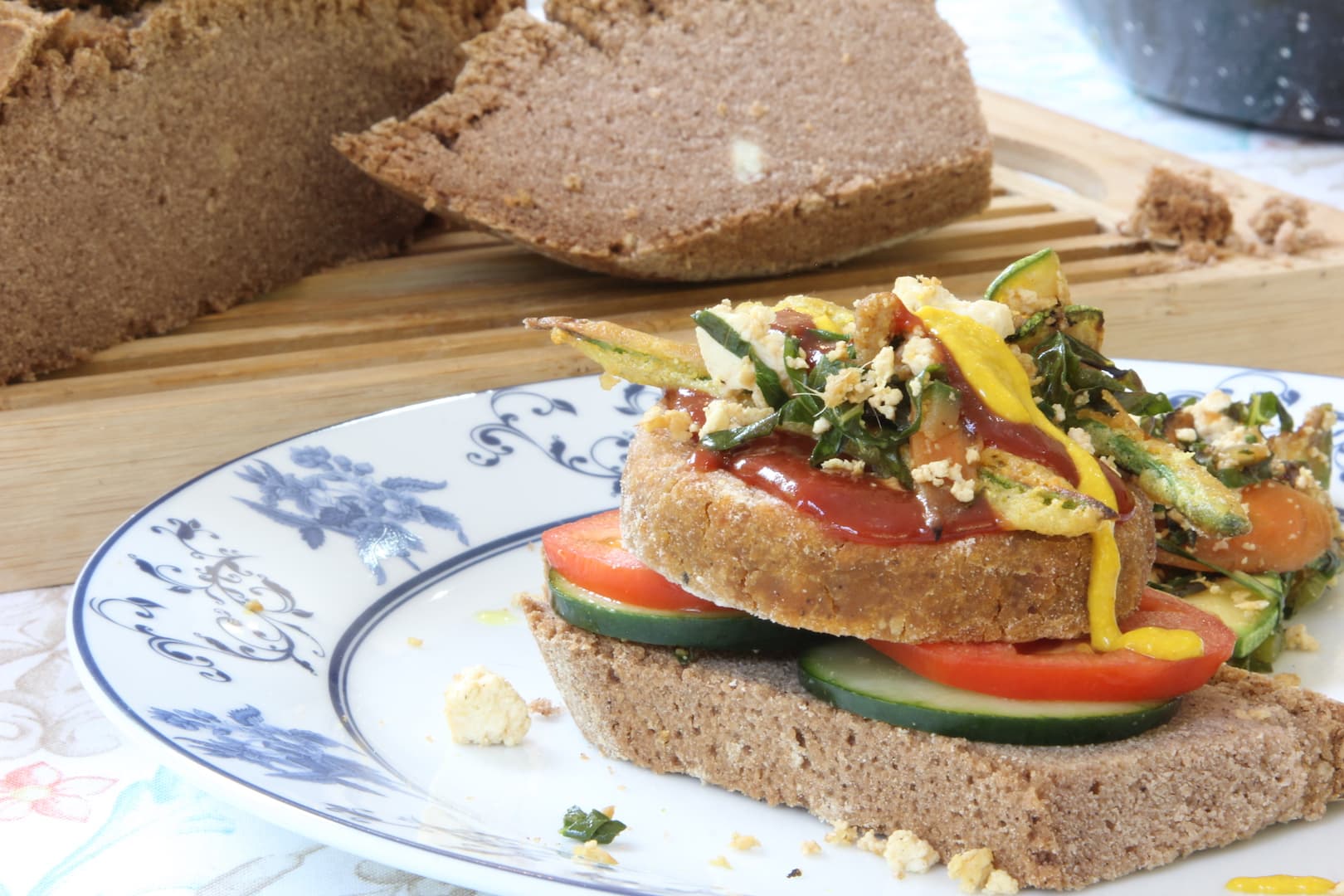
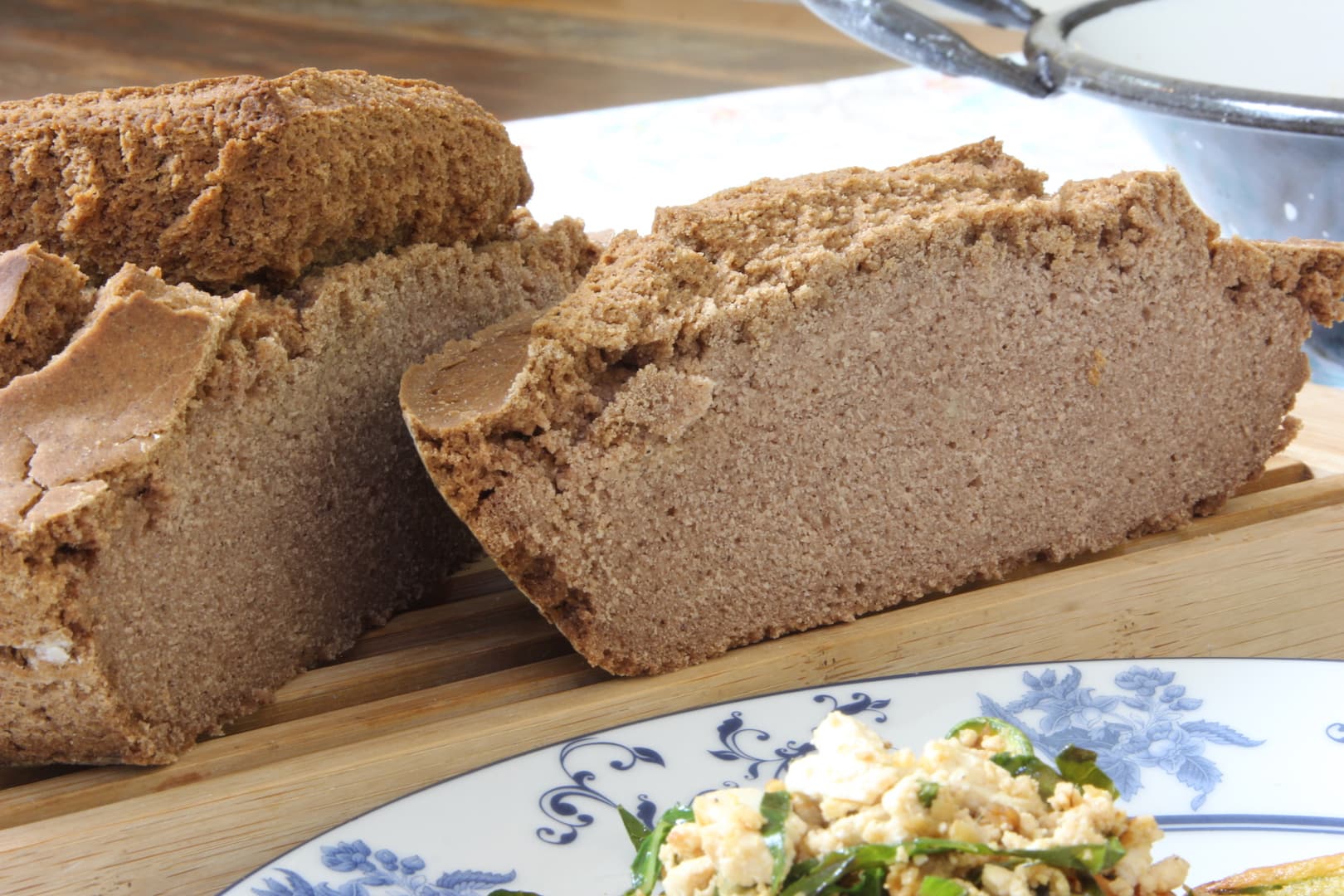
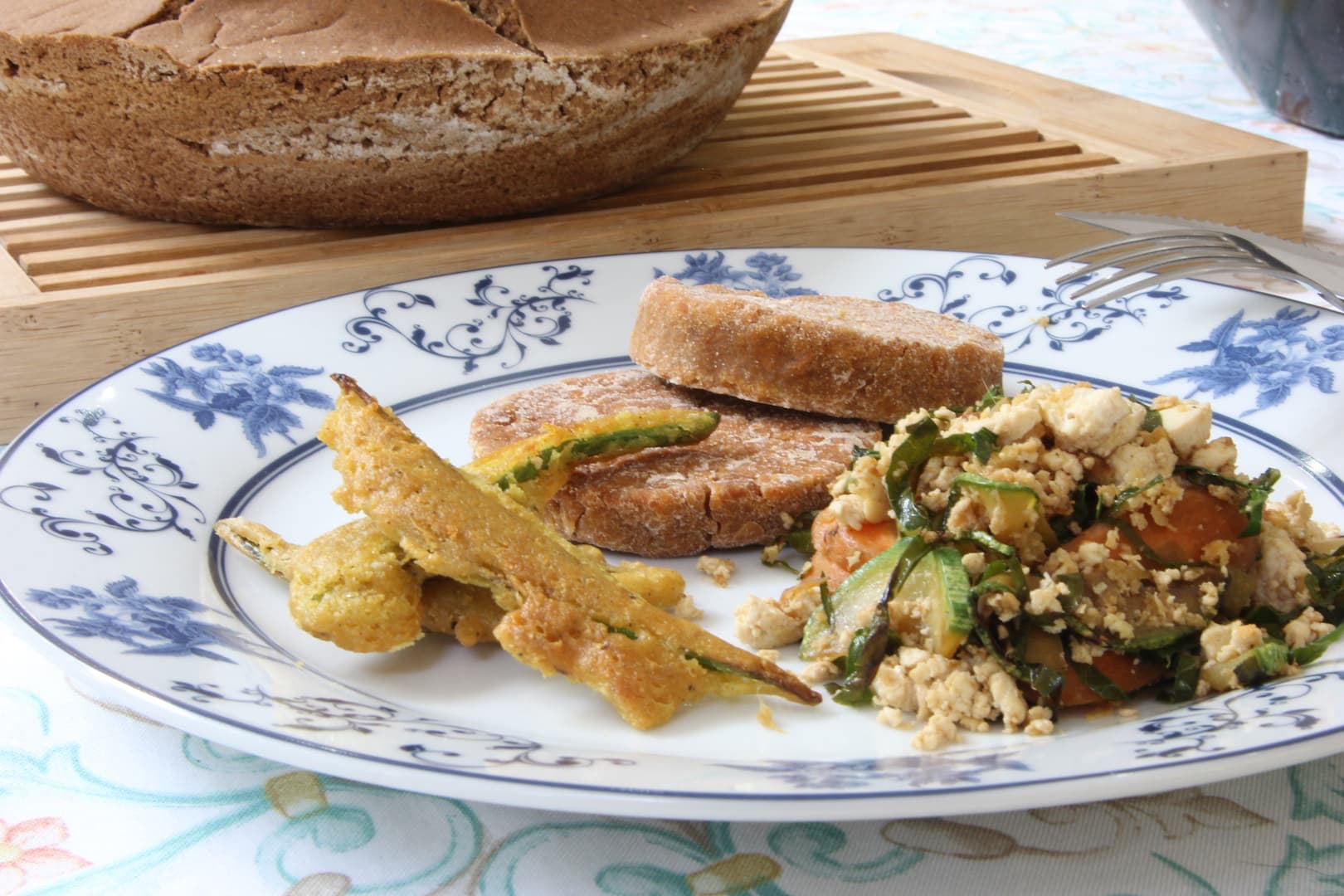
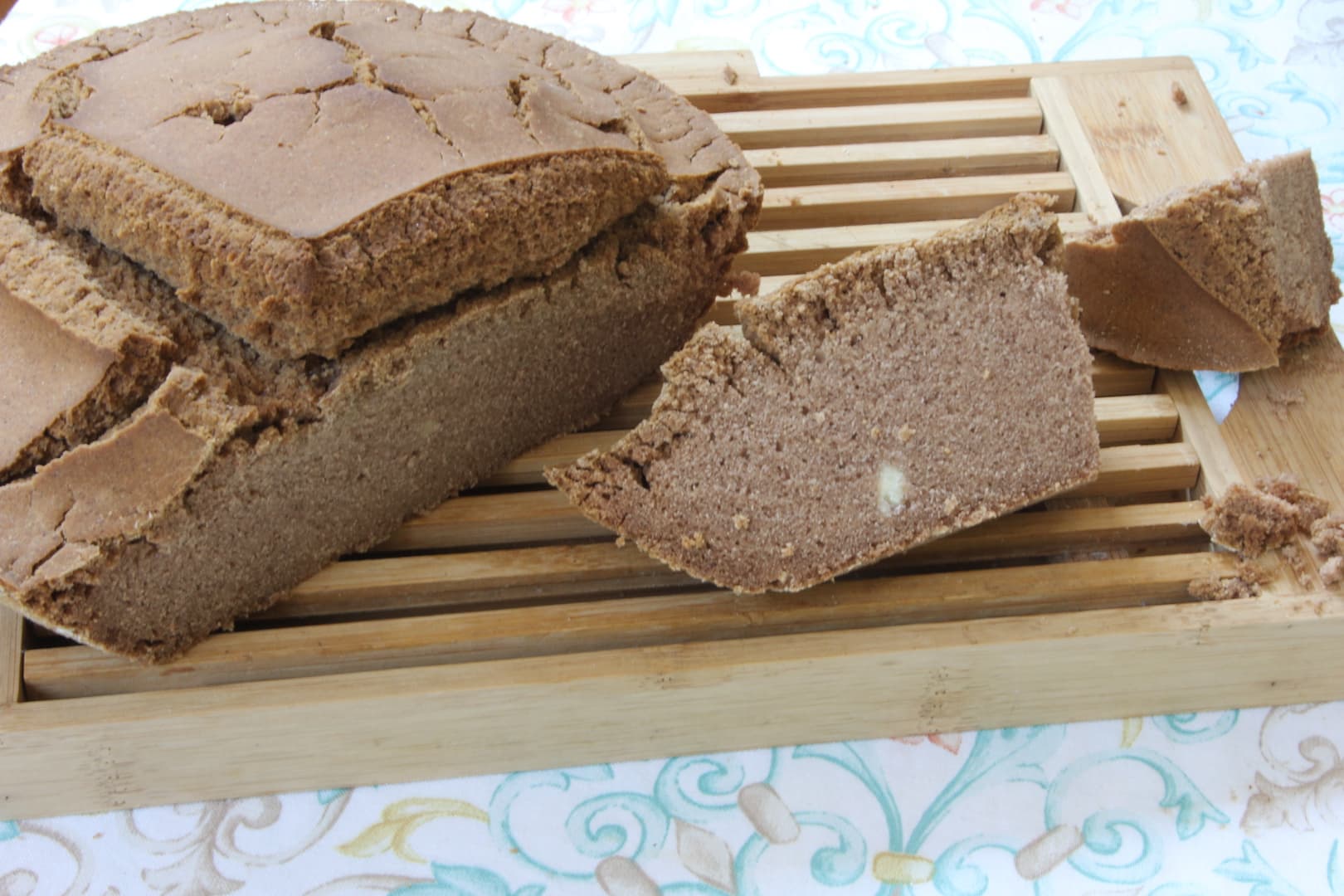
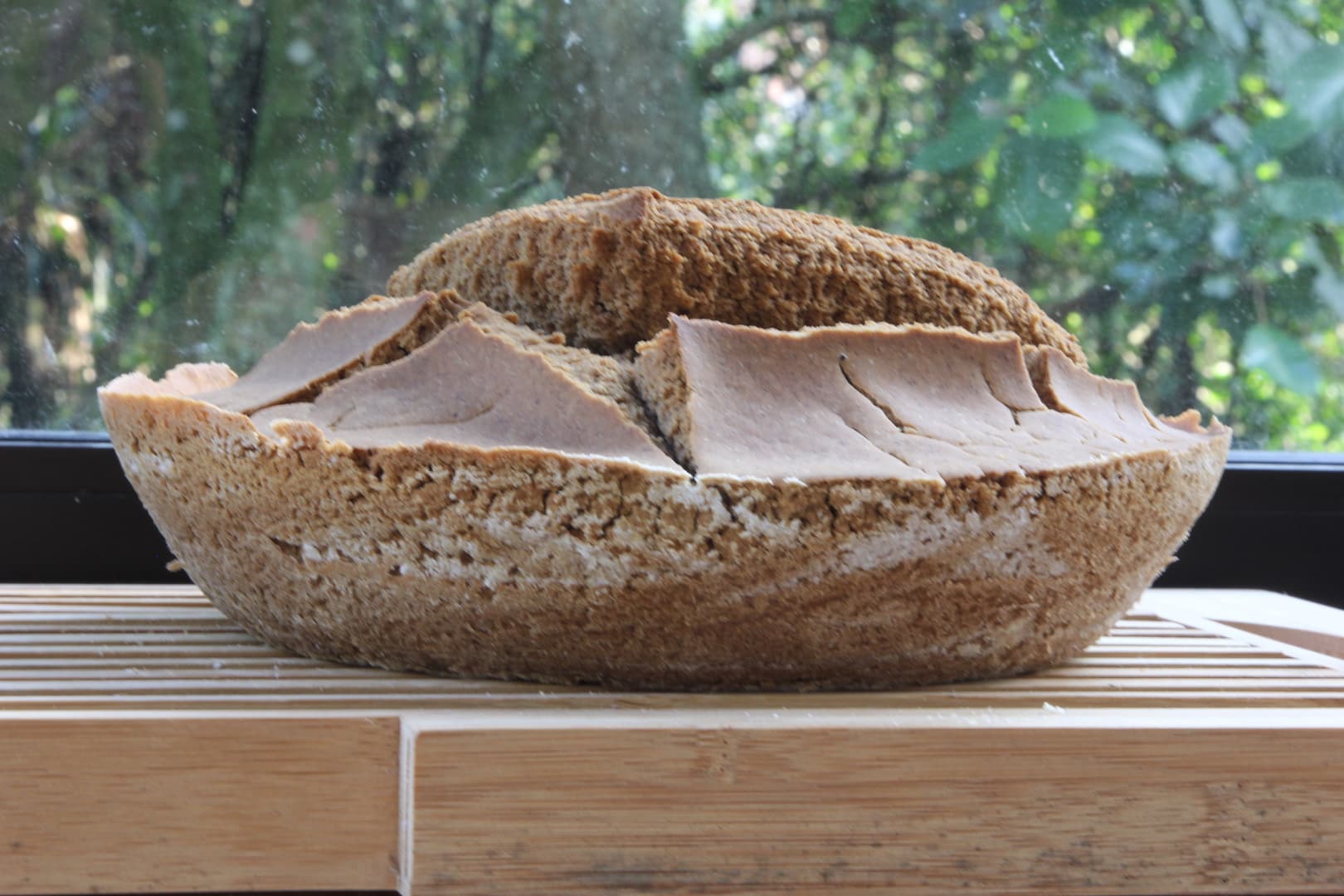
Rice Chickpea Bread
Rice Chickpea Bread – A Wholesome Alternative
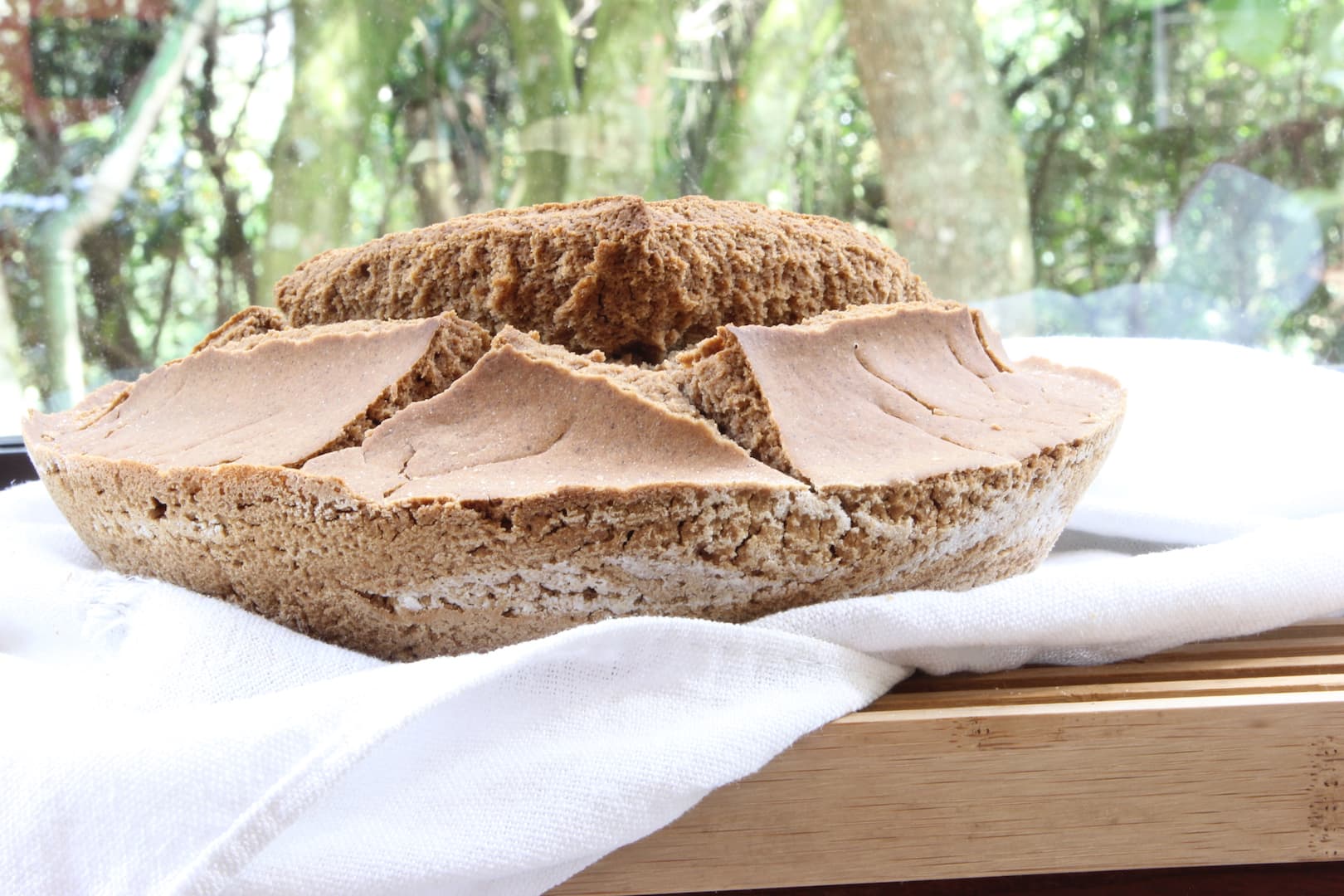
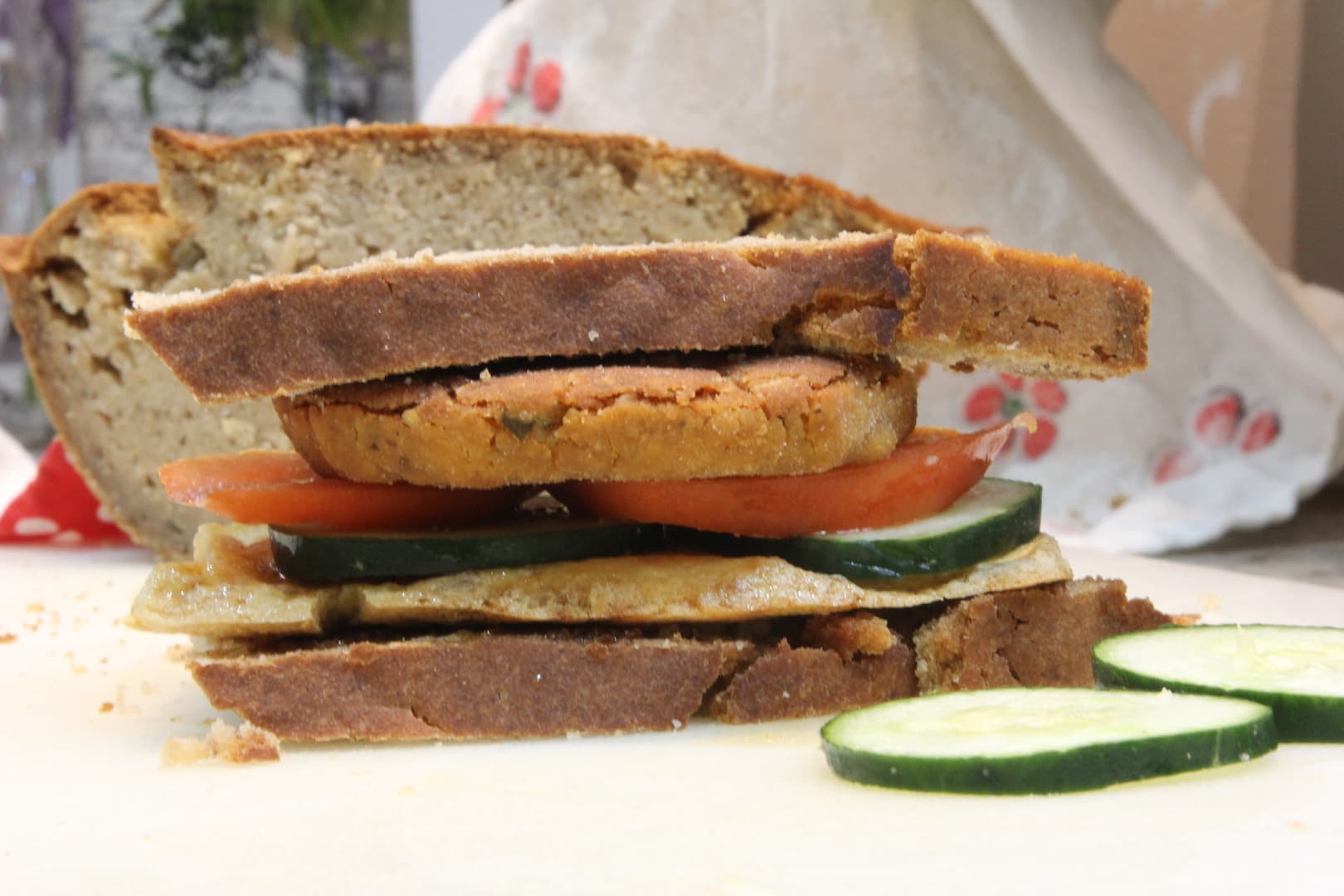
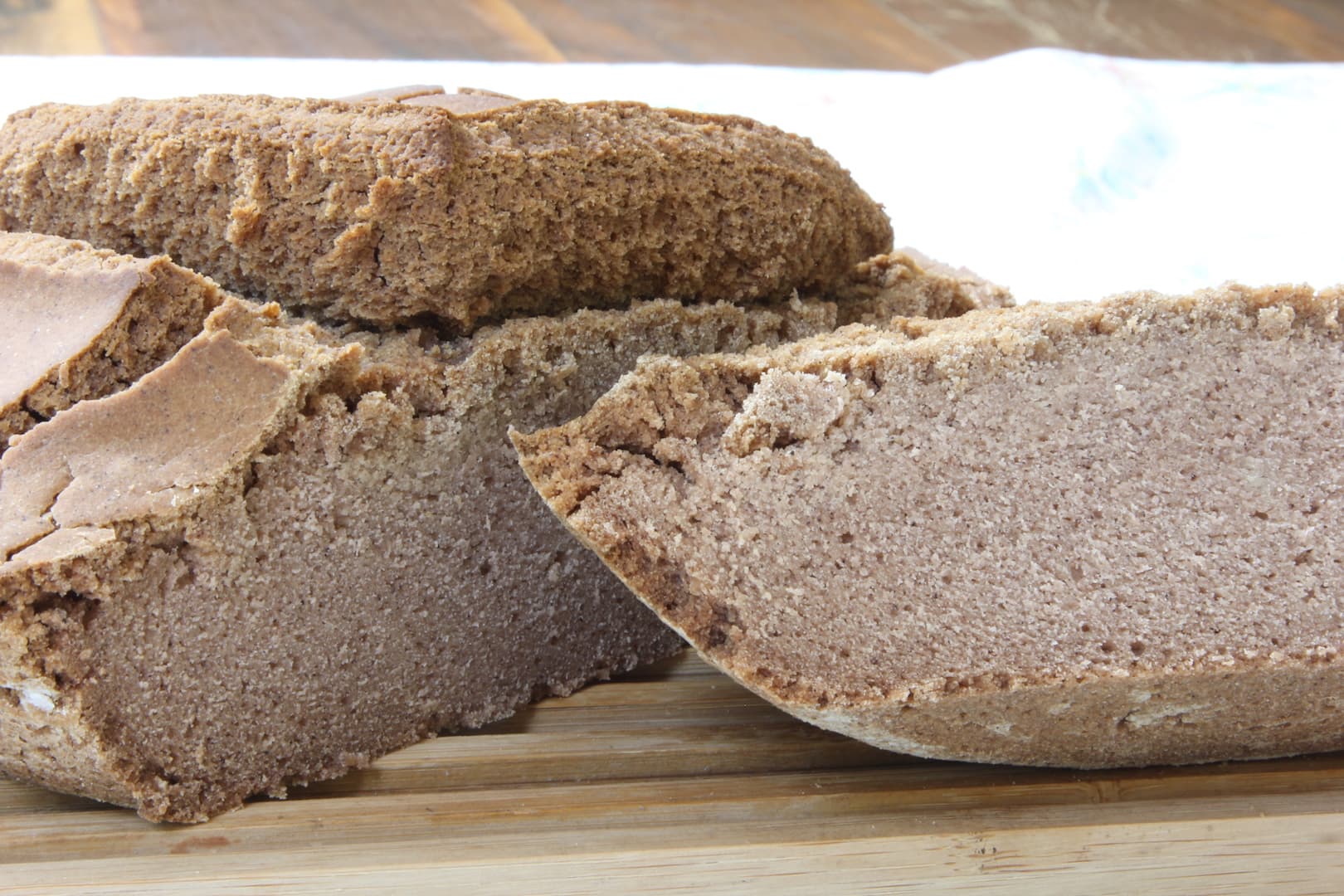
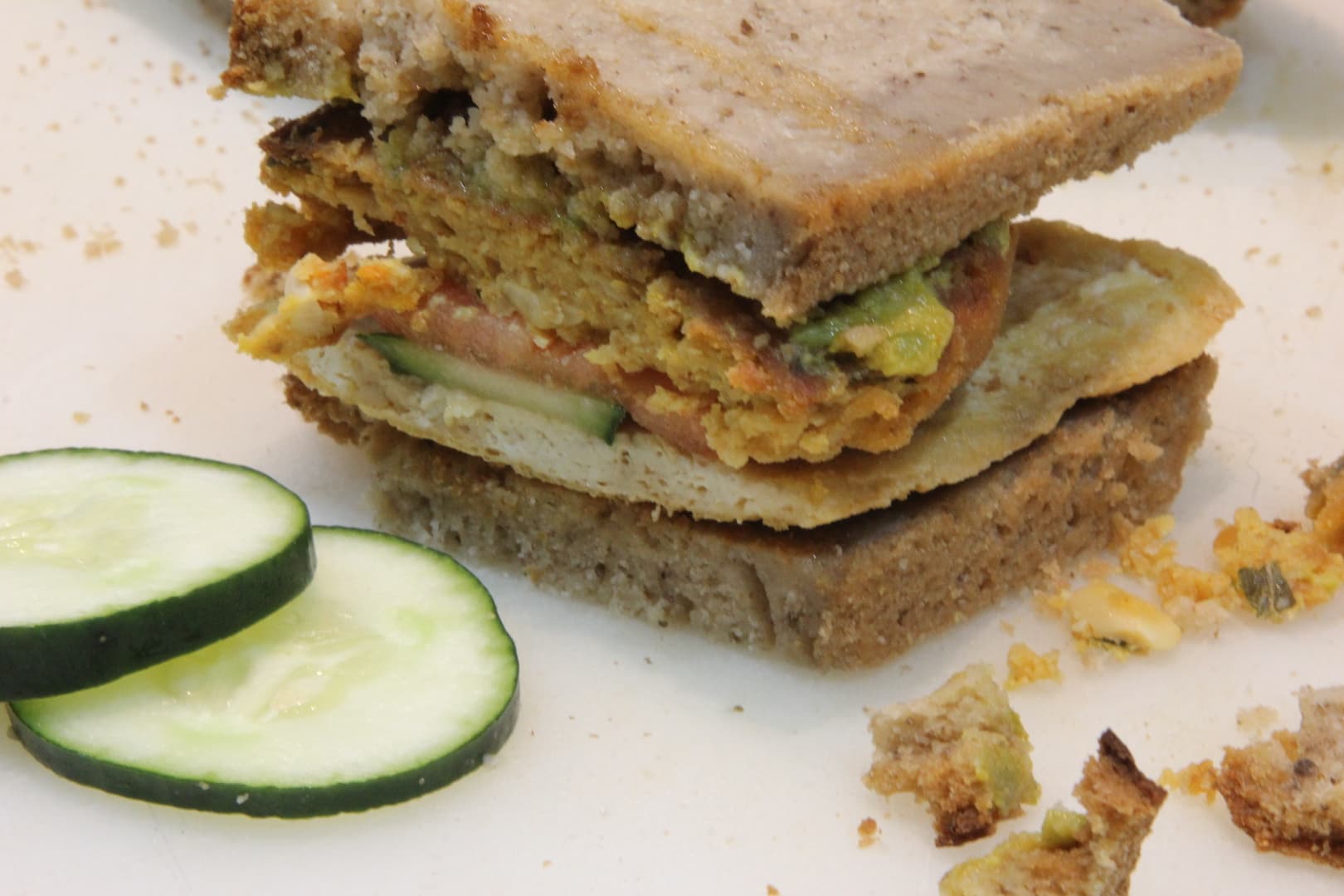
My friends were regularly buying white bread for breakfast, a habit I wanted to change by introducing them to a healthier alternative. Since making bread with rice flour is uncommon, I decided to prepare a wholesome rice chickpea bread for them. My efforts paid off—after spending two months teaching them about healthy eating, they embraced the change. Today, my dentist friend, his wife (an Ayurvedic and naturopathic therapist), and their son are now vegetarians.
The Ayurvedic Significance of Rice
According to Ayurveda, rice is associated with sweetness and is considered nourishing, light, soft, silky, and refreshing in nature. It is especially beneficial for balancing Vata and Pitta doshas.
Rice has been an essential part of global cuisine, particularly in India and Southeast Asia, where it has long been symbolic of fertility, wealth, and health. As a staple food in many countries, rice plays a crucial role in daily nourishment.
Ayurvedic Perspective on Rice Consumption
Ayurveda suggests that rice can be eaten at any time, but its effects depend on who is consuming it and when. Even aged rice is believed to have powerful therapeutic properties, and it is recommended for optimal digestion and well-being.
Among the most popular types of rice are:
- Polished or unpolished rice
- Basmati rice (highly valued in Ayurveda for its Sattvik nature, rich prana or vital force, and ease of digestion)

Comentarios
Inicia sesión para dejar un comentario