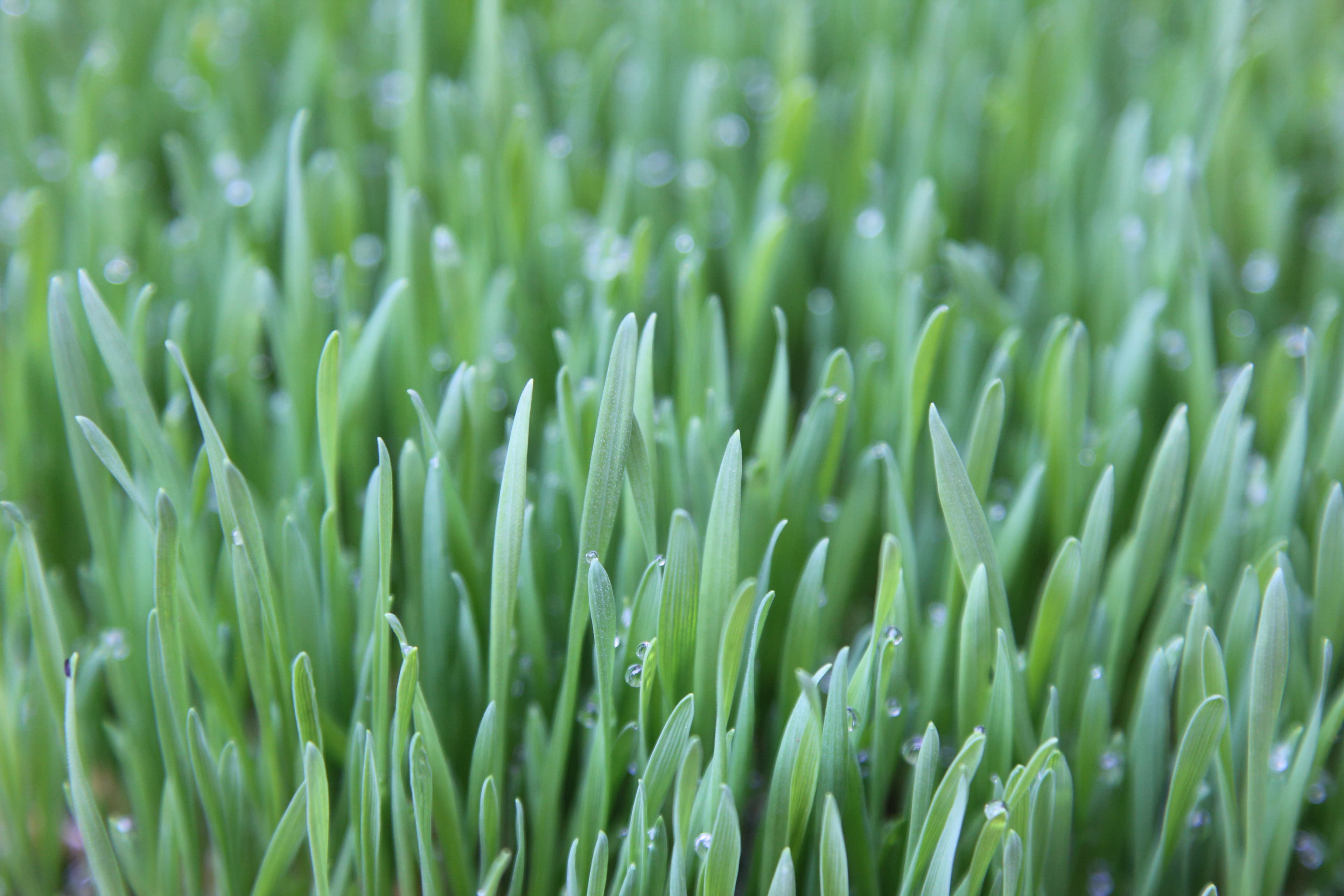
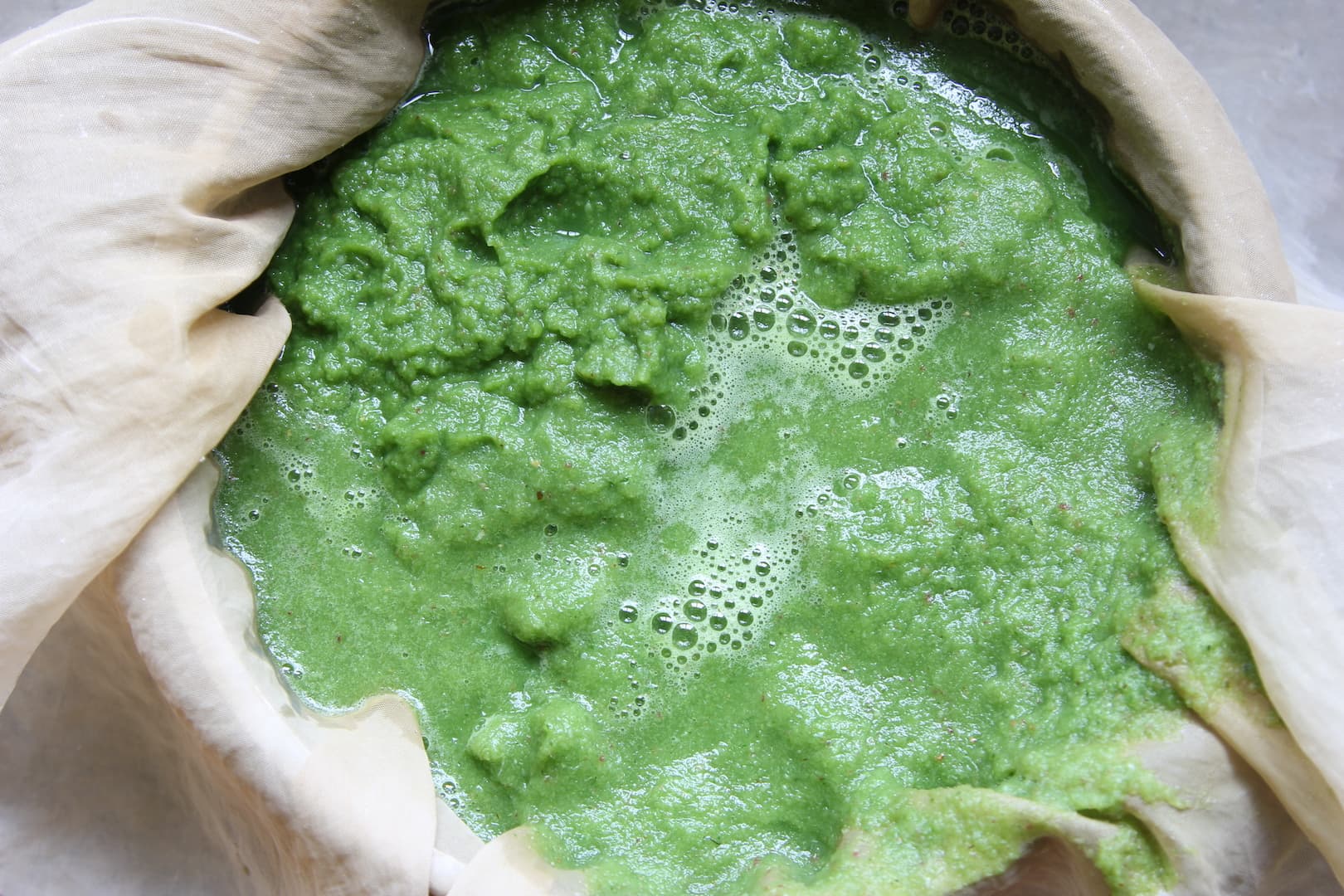
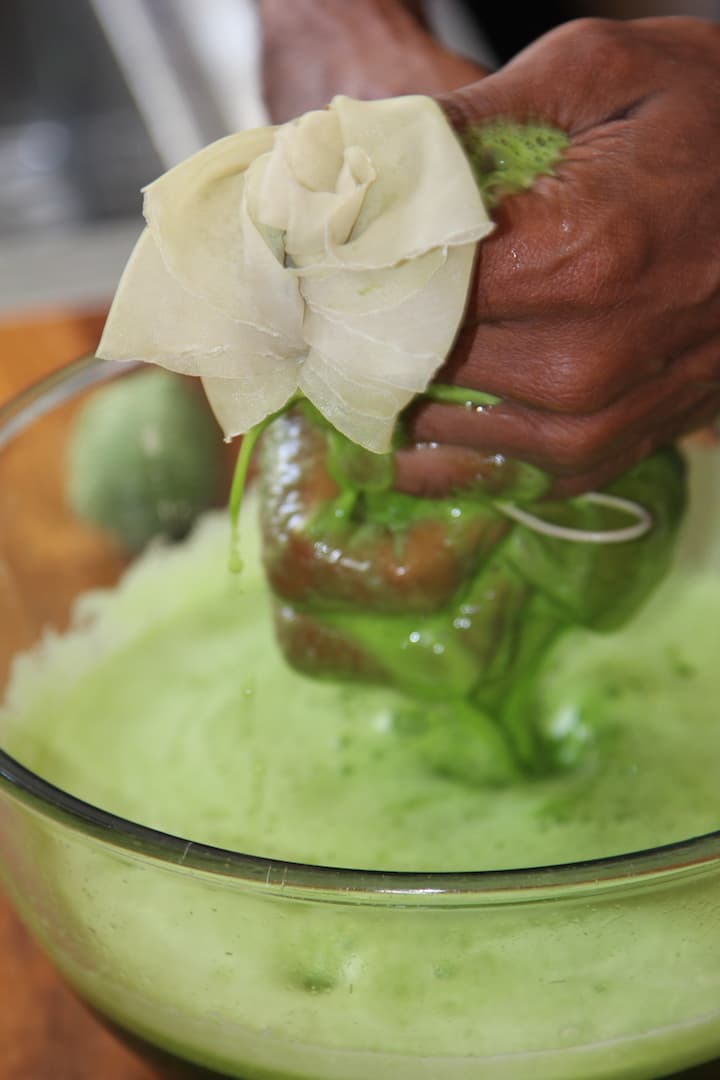
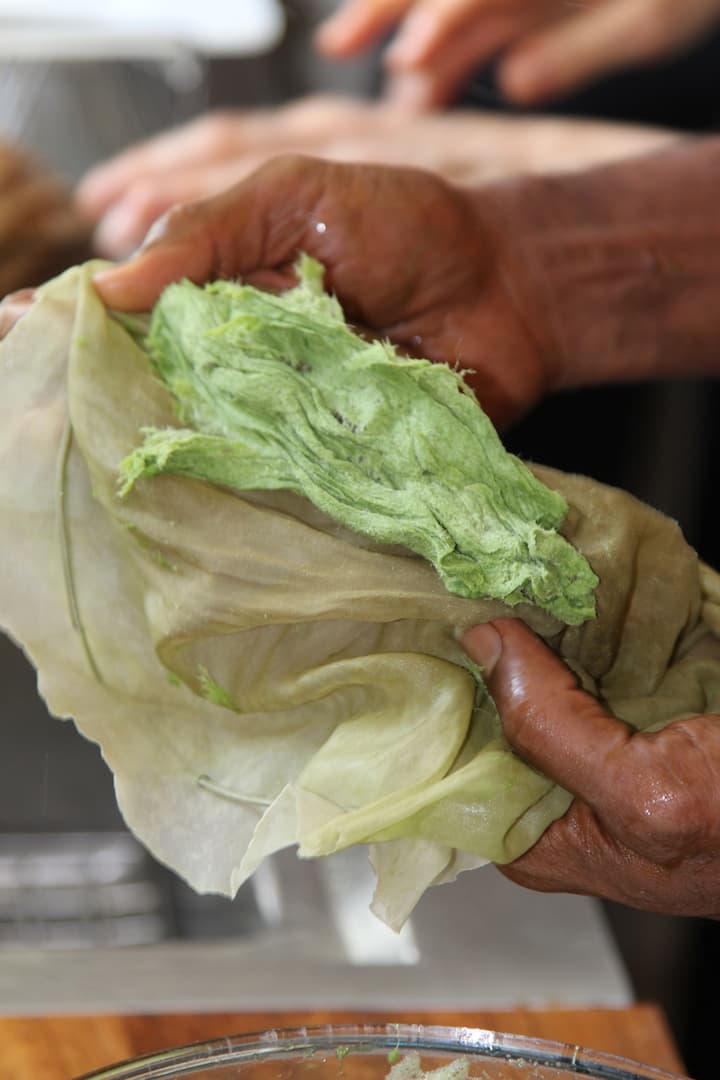
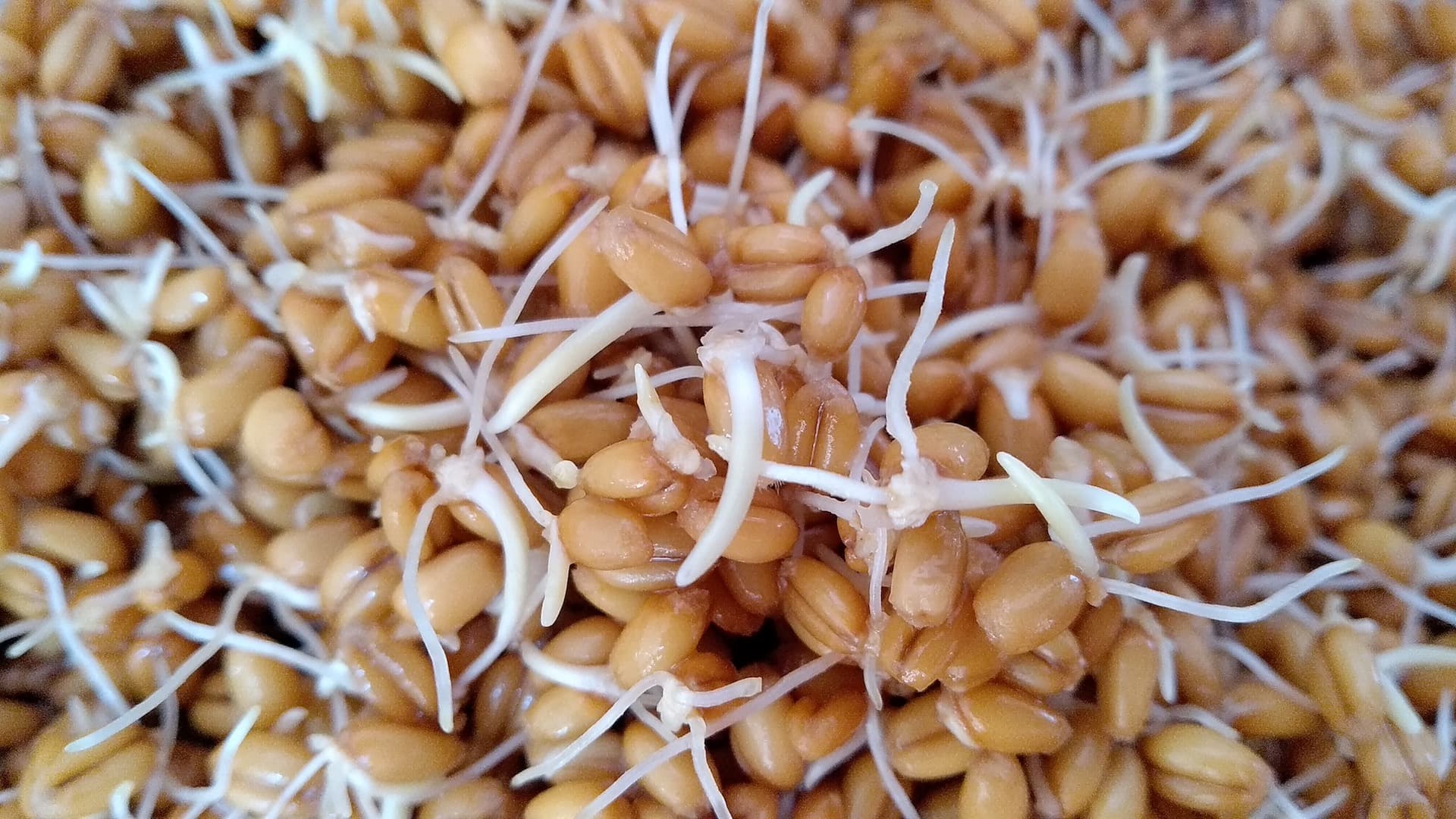
Wheatgrass Juice
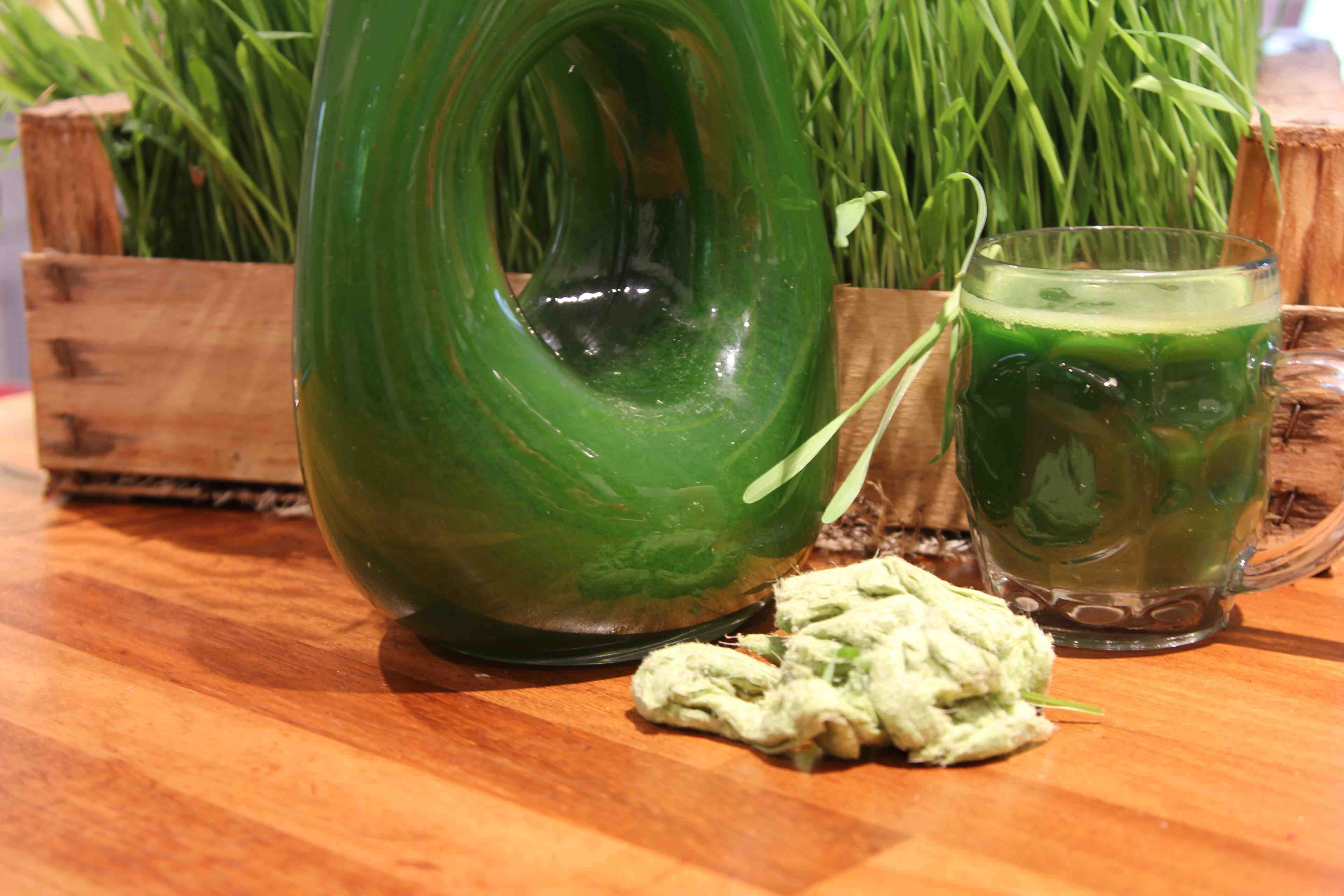
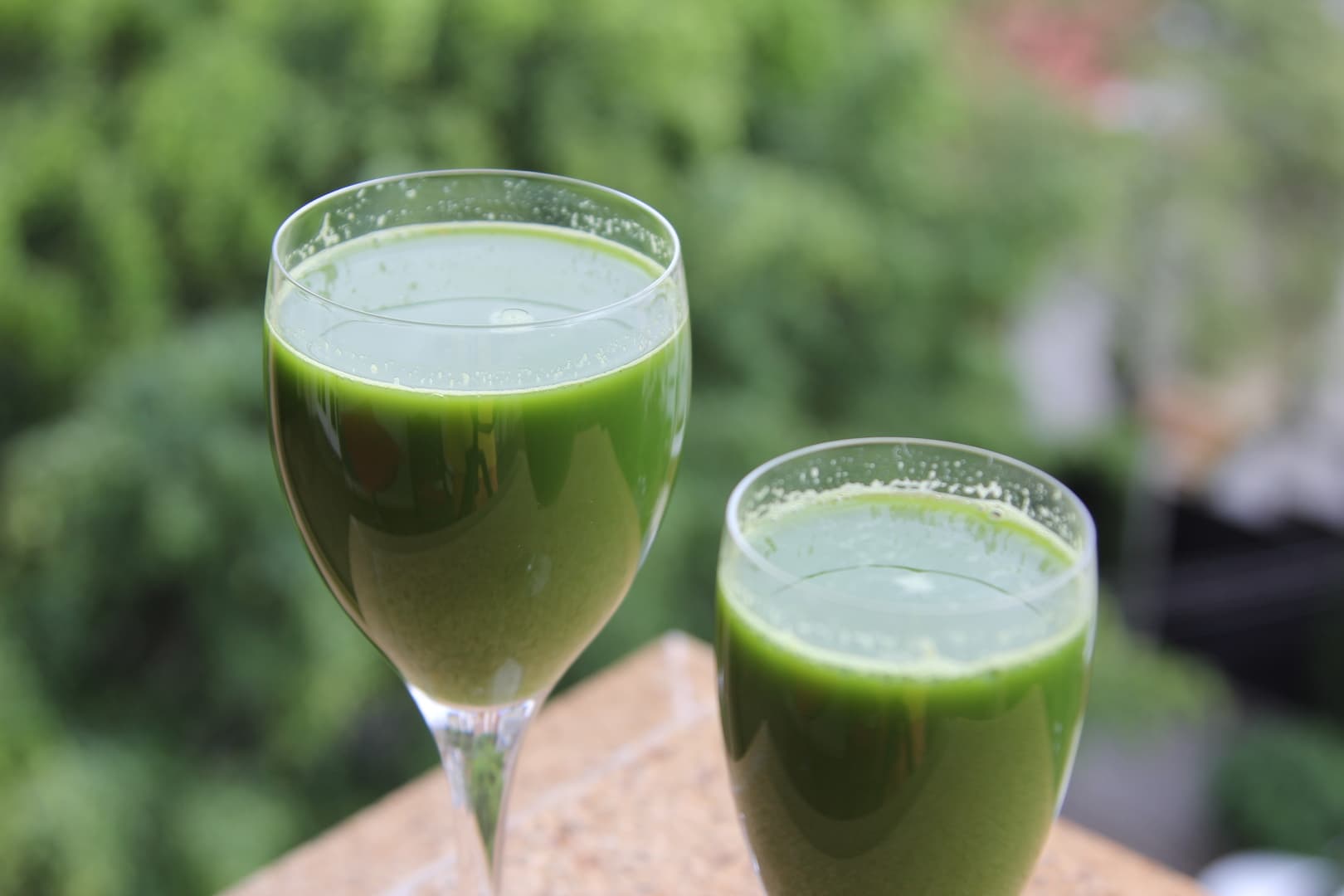
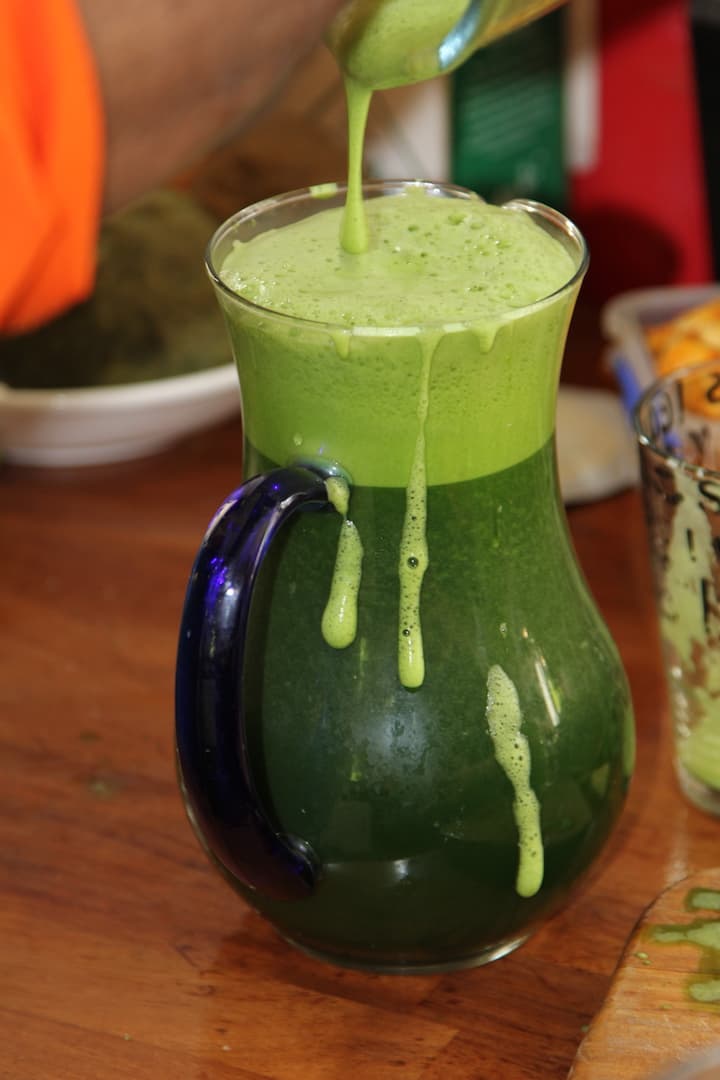
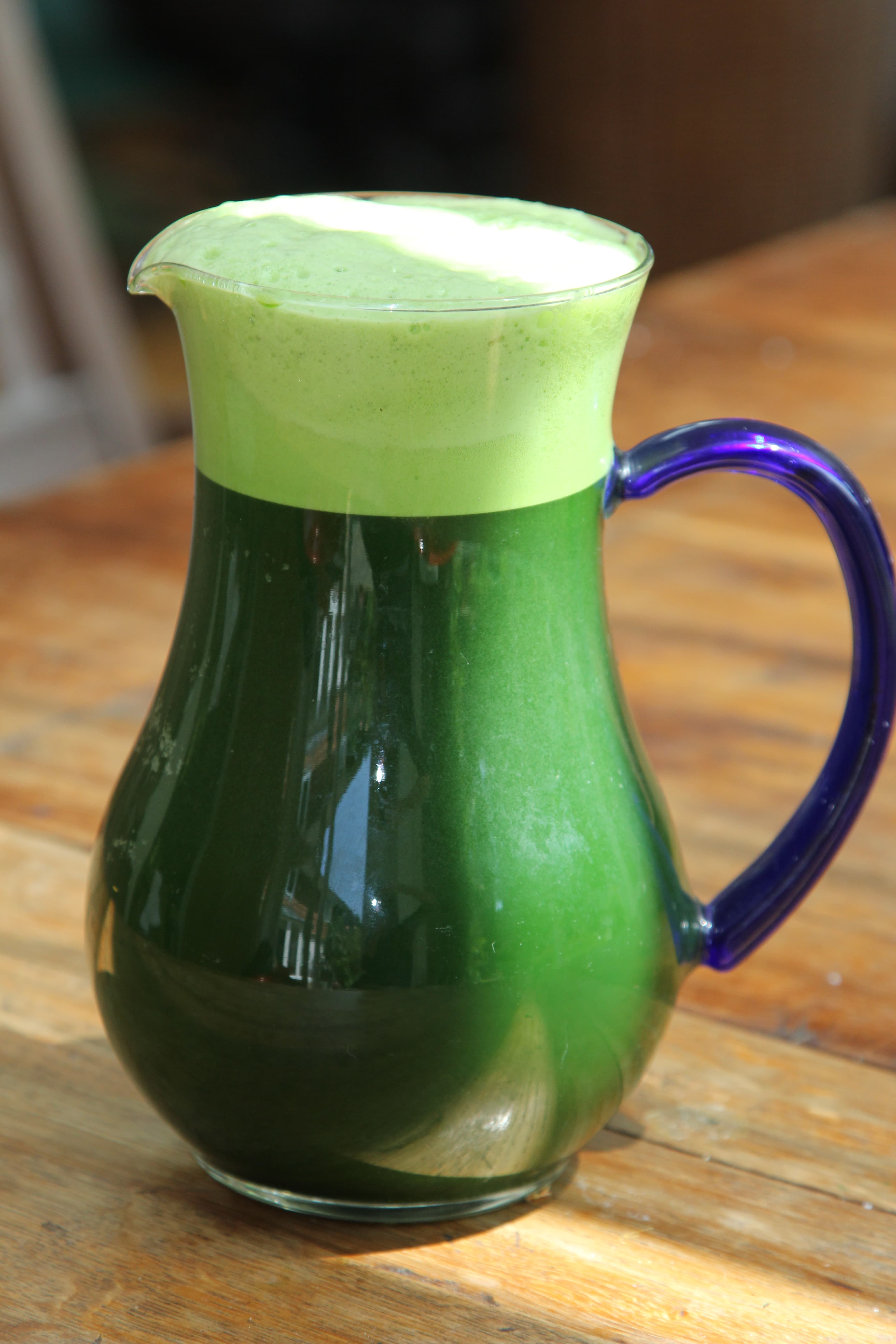
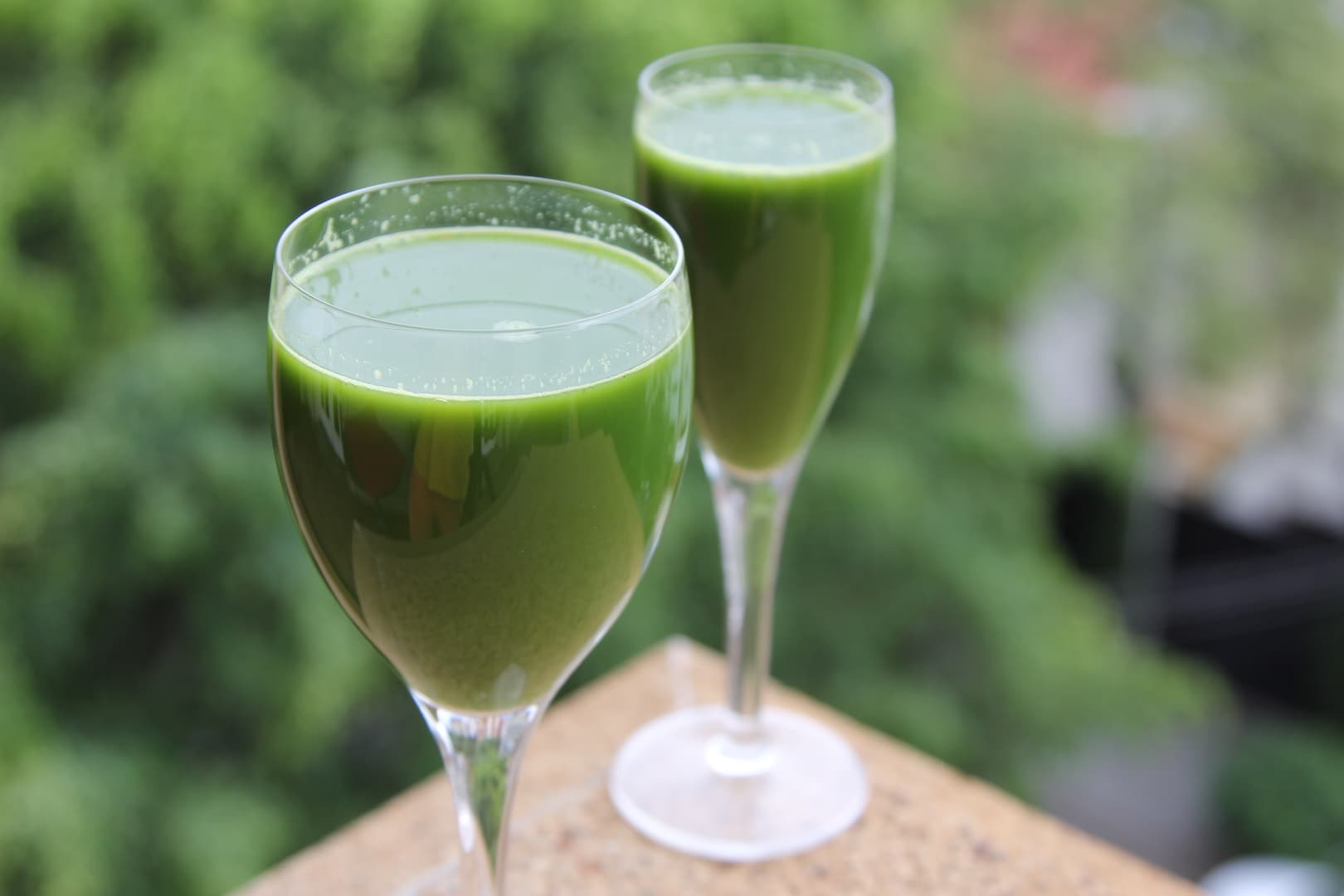
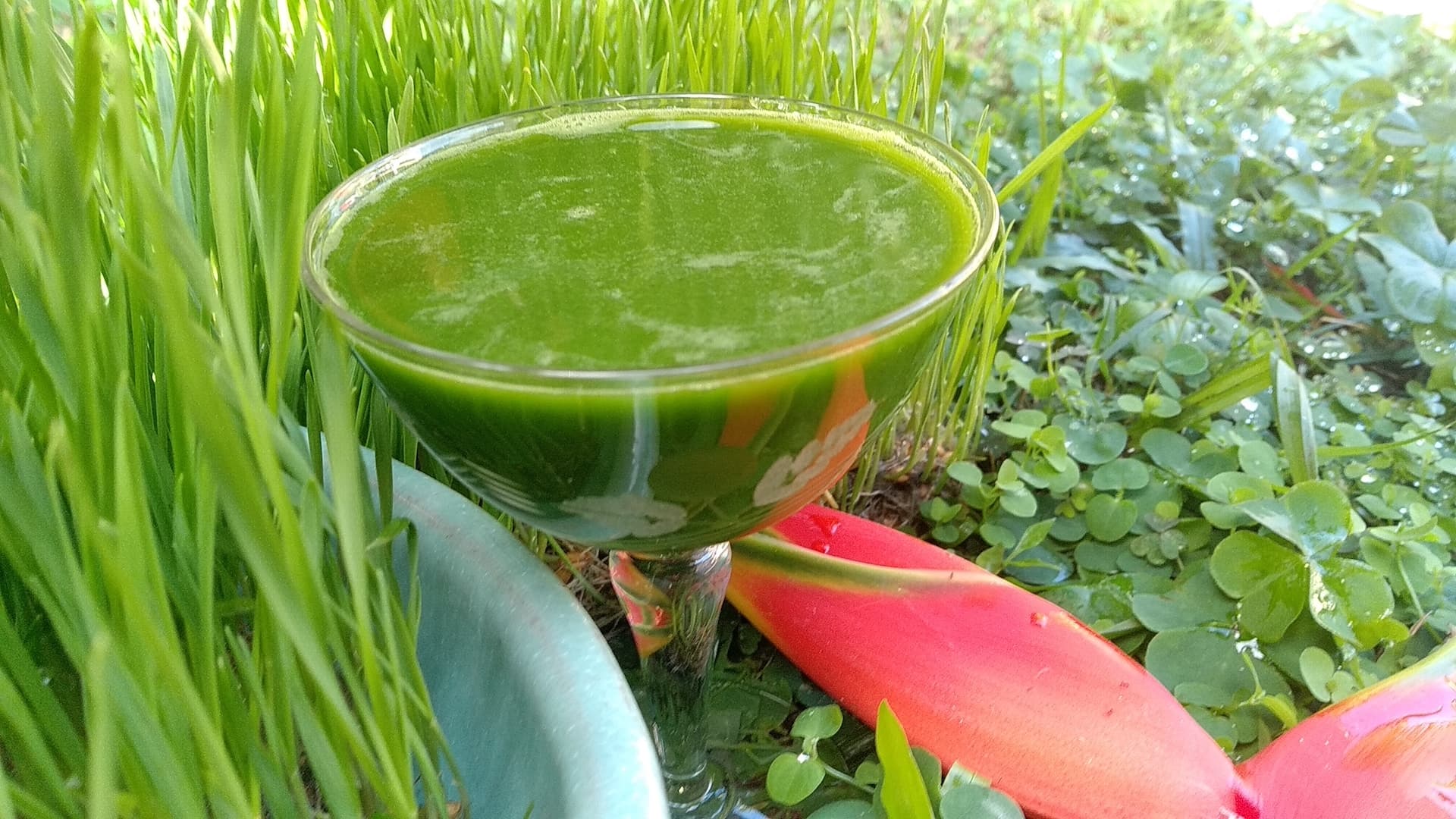
It was when I visited Johannesburg in 1991 that I first tried wheatgrass juice. It has been one of my favorite juices ever since. At that time, a shot glass of this juice cost me a dollar. My first thought was, "Mmm, pricey for a tiny shot," but as soon as I tried it, I realized it was totally worth the price.
Some people might be apprehensive about consuming grass. Now, look at a cow, one of the gentlest creations of nature. You can see that it eats wild grass all day, has the energy to plow fields for hours, and produces a high amount of nutrition-rich milk. Cow's milk is designed for baby cows, and in rural villages of India and some places in Asia, mothers often provide cow's milk to help children grow and recover faster after severe illness. Even lactating mothers, unable to breastfeed, feed cow's milk to their children—one of the primary reasons cows are treated as sacred, especially in India.
After my first experience, I enjoyed a daily shot of wheatgrass juice throughout my stay in Johannesburg. It felt like a healing magic potion. Beyond its power-packed nutrition, I loved its fragrance—sweet, organic, pure, and reminiscent of freshly cut lawn.
A little shot of this wheatgrass juice packs a punch of nutrients, offering higher quantities than most fruits and vegetables. When grown in organic soil, wheatgrass absorbs approximately 100 out of 102 minerals from the earth, which are essential for superb health. Like many natural foods, wheatgrass also possesses antioxidant, antibacterial, and anti-inflammatory properties. It contains essential micronutrients like vitamins A, C, E, and K, iron and magnesium vital for blood and brain function, 17 amino acids, and is one of the best organic sources of chlorophyll.
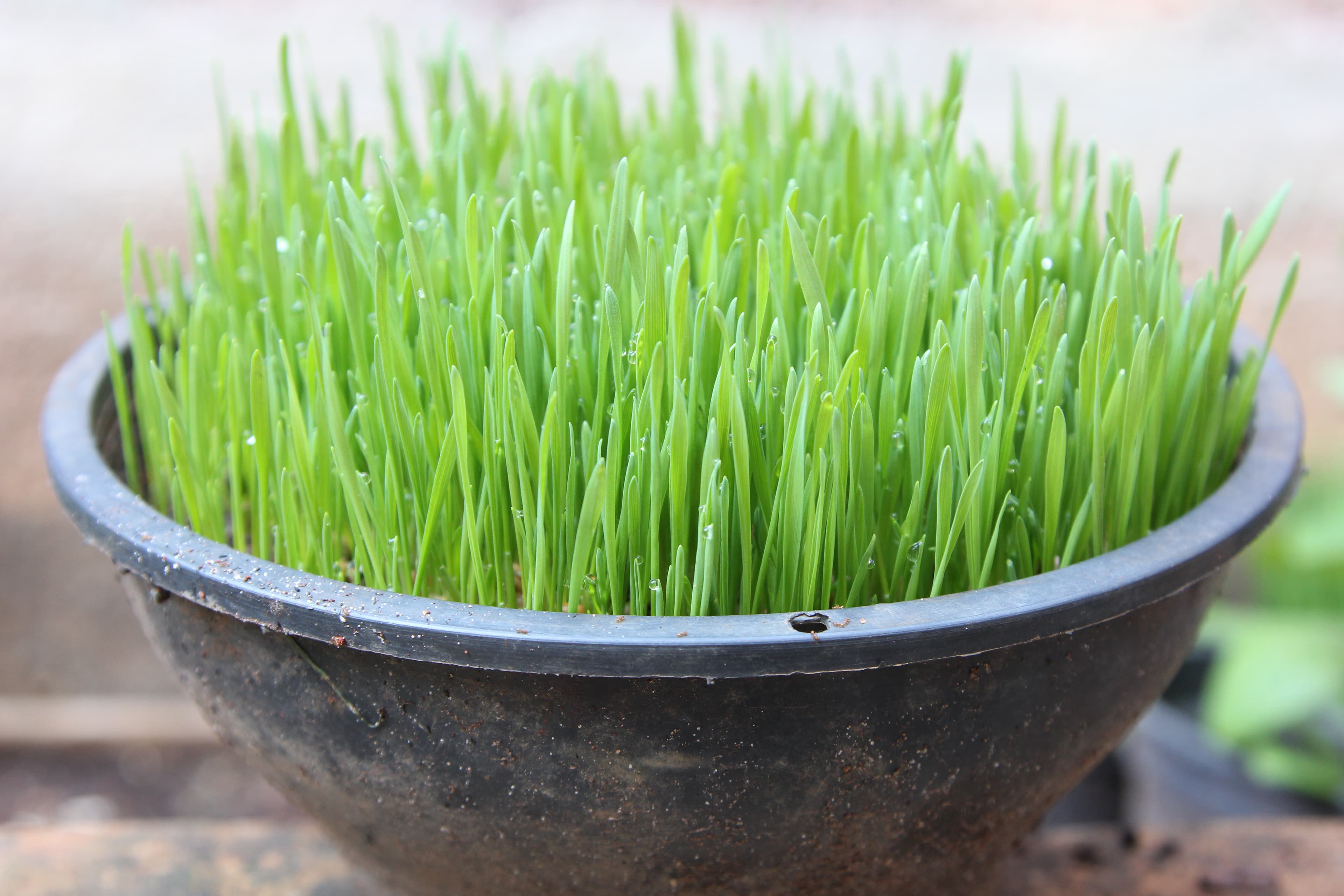
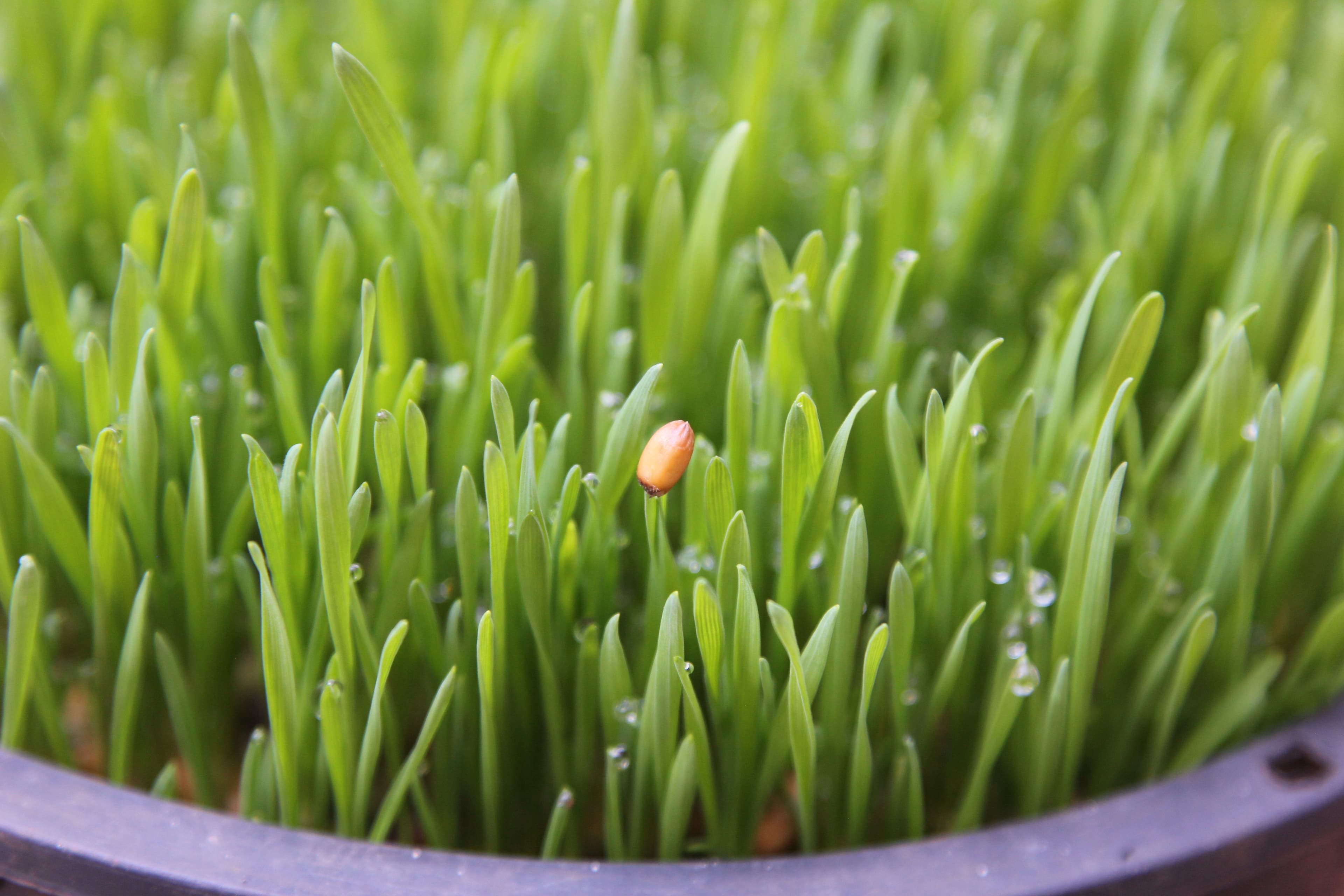
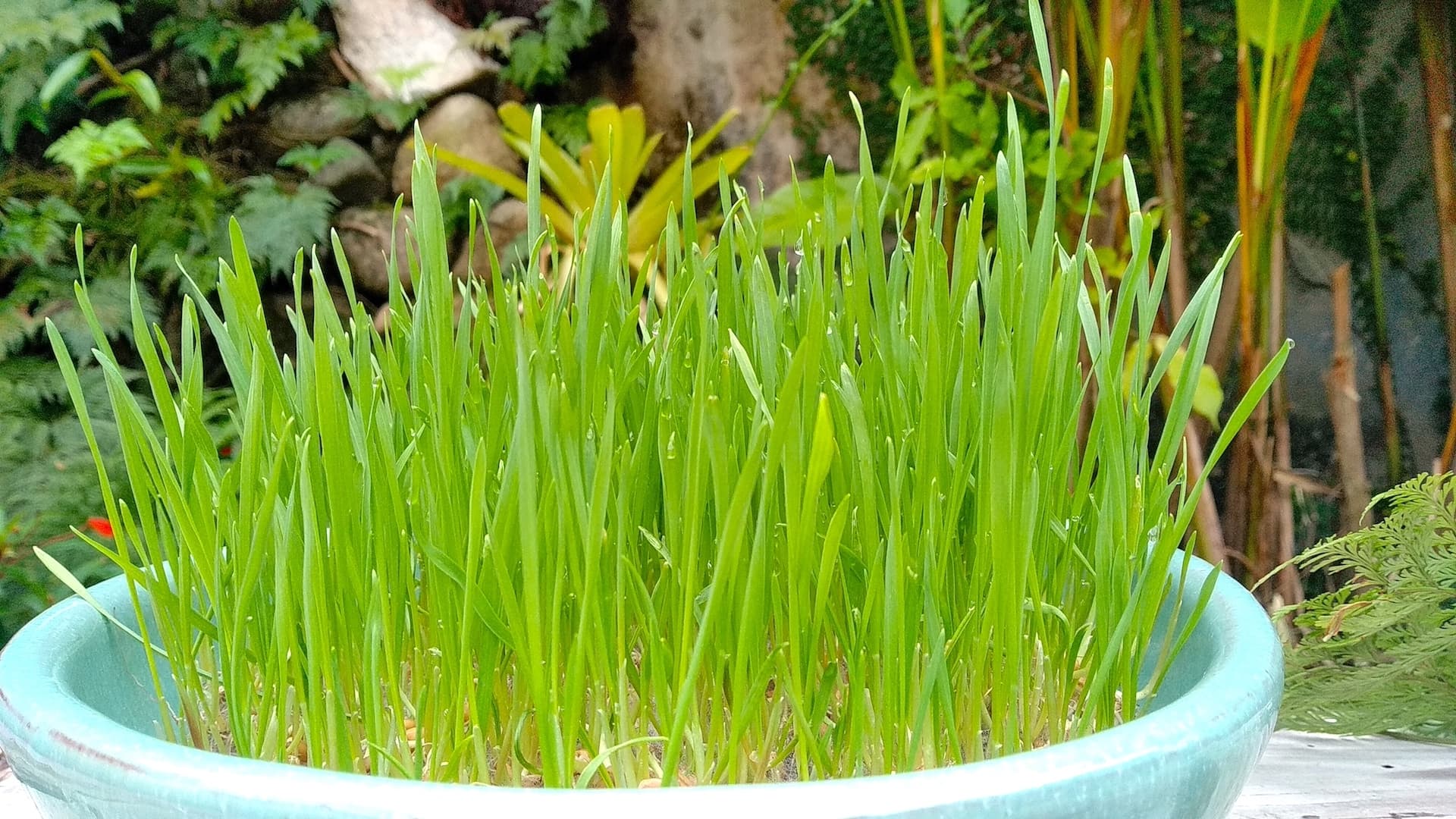
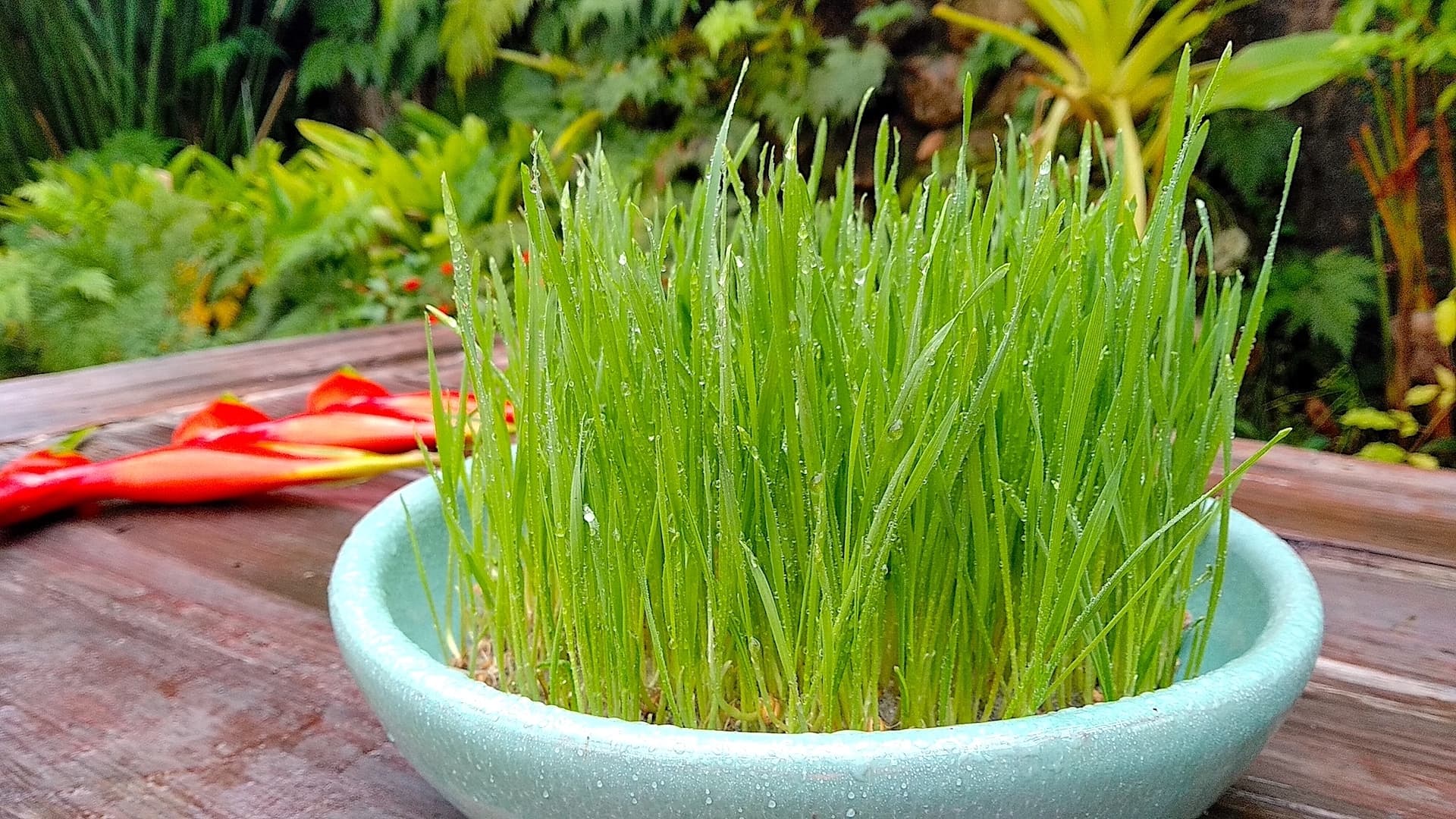
What is wheatgrass?

Comentarios
Inicia sesión para dejar un comentario